Swell surge alert: High waves warning for Kerala, TN, and Lakshadweep coasts
Source Entity
Anjali Marar
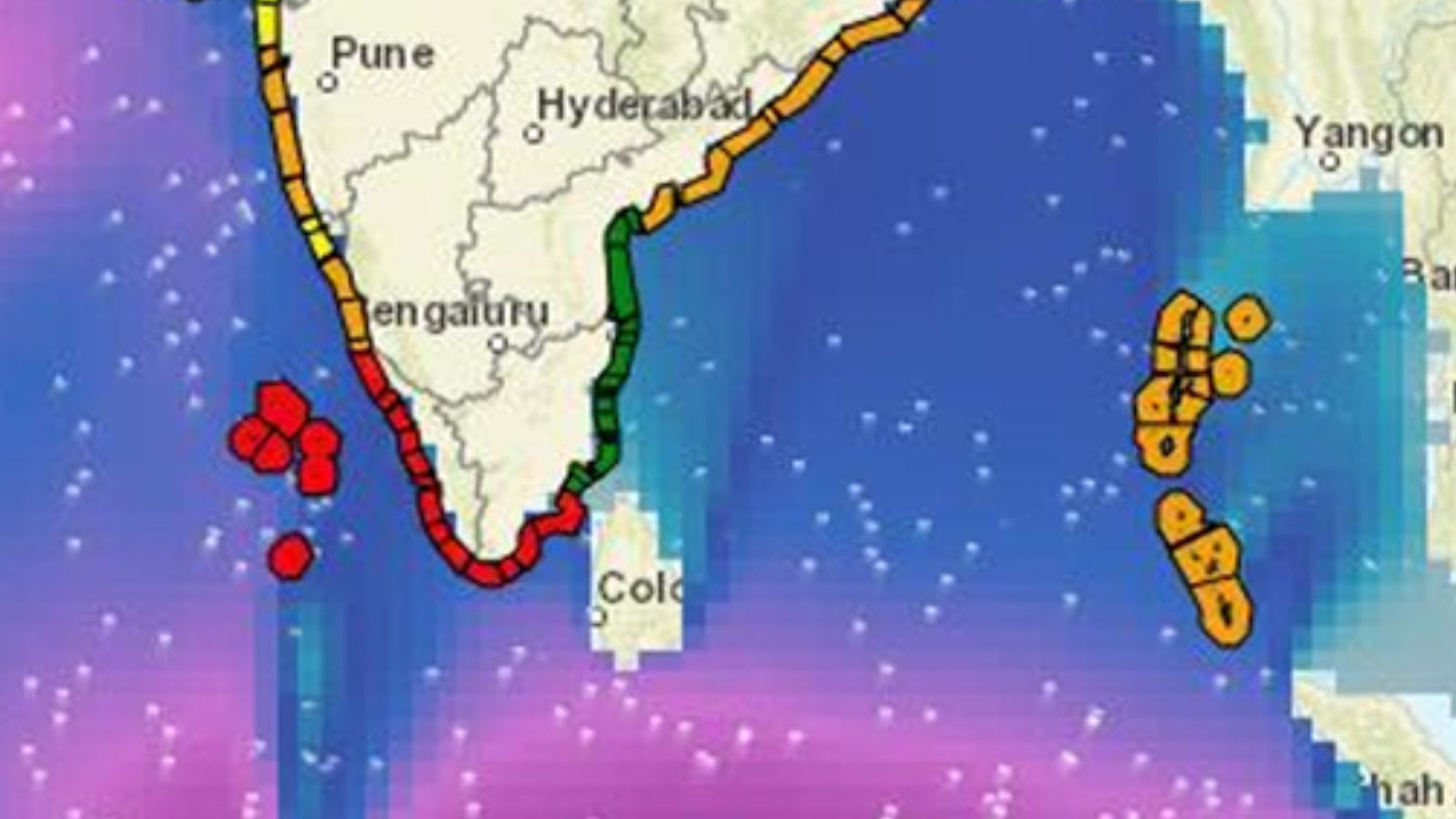
The Indian National Centre for Ocean Information Services has issued a high-alert warning for swell surges affecting Kerala, southern Tamil Nadu, and Lakshadweep. Authorities have implemented beach access bans in districts like Kozhikode to prevent casualties from potential coastal flooding.
Coastal Alert: Understanding the Swell Surge Threat
The Indian National Centre for Ocean Information Services (INCOIS) has issued a critical alert regarding severe swell surges expected to impact the coastal regions of Kerala, southern Tamil Nadu, and the Lakshadweep islands. These high-energy waves, originating in the deep southern Indian Ocean, represent a significant maritime hazard. As these waves travel across vast distances, they gain momentum and intensity, culminating in sudden, powerful surges upon reaching shallower coastal waters.
The Mechanics of Kallakkadal
Known locally as 'Kallakkadal,' this phenomenon is distinct from typical tidal activity. Unlike regular tides caused by gravitational forces, swell surges are characterized by their unpredictability and the suddenness with which seawater gushes into interior coastal areas. INCOIS has confirmed that these waves have already begun interacting with the coastlines of Kozhikode, Kanyakumari, and Thoothukudi, signaling an immediate risk for low-lying areas.
Administrative Response and Safety Measures
In direct response to the INCOIS forecasts, local administrative bodies have mobilized to mitigate potential loss of life and property. Notably, the District Disaster Management Authority (DDMA) in Kozhikode, under the leadership of District Collector M. S. Madhavikutty, has enacted a strict prohibition on beach access. This ban, effective from midnight on August 19 through midnight on August 20, applies universally to tourists, local residents, and vendors, effectively closing popular coastal hubs like Beypore.
Vulnerability of Coastal Infrastructure
Low-lying coastal regions remain the most vulnerable to these surges. The threat is not merely limited to the shoreline; the potential for seawater to inundate interior regions poses a risk to residential infrastructure and coastal livelihoods. By restricting movement, authorities aim to prevent individuals from being caught in the sudden, high-energy water incursions that define this weather event.
Broader Implications and Future Trends
This event highlights the increasing necessity for real-time oceanographic monitoring. As climate patterns shift, the intensity and frequency of such swell systems require robust disaster management strategies. The coordination between scientific agencies like INCOIS and local district authorities serves as a model for proactive disaster risk reduction. The persistence of this system through August 20 necessitates continued vigilance from coastal communities and strict adherence to governmental safety directives to ensure public security during these extreme marine conditions.