The Vietnam Binh Chau (Chau Tan) Late Tang Wreck
Source Entity
Hacker News
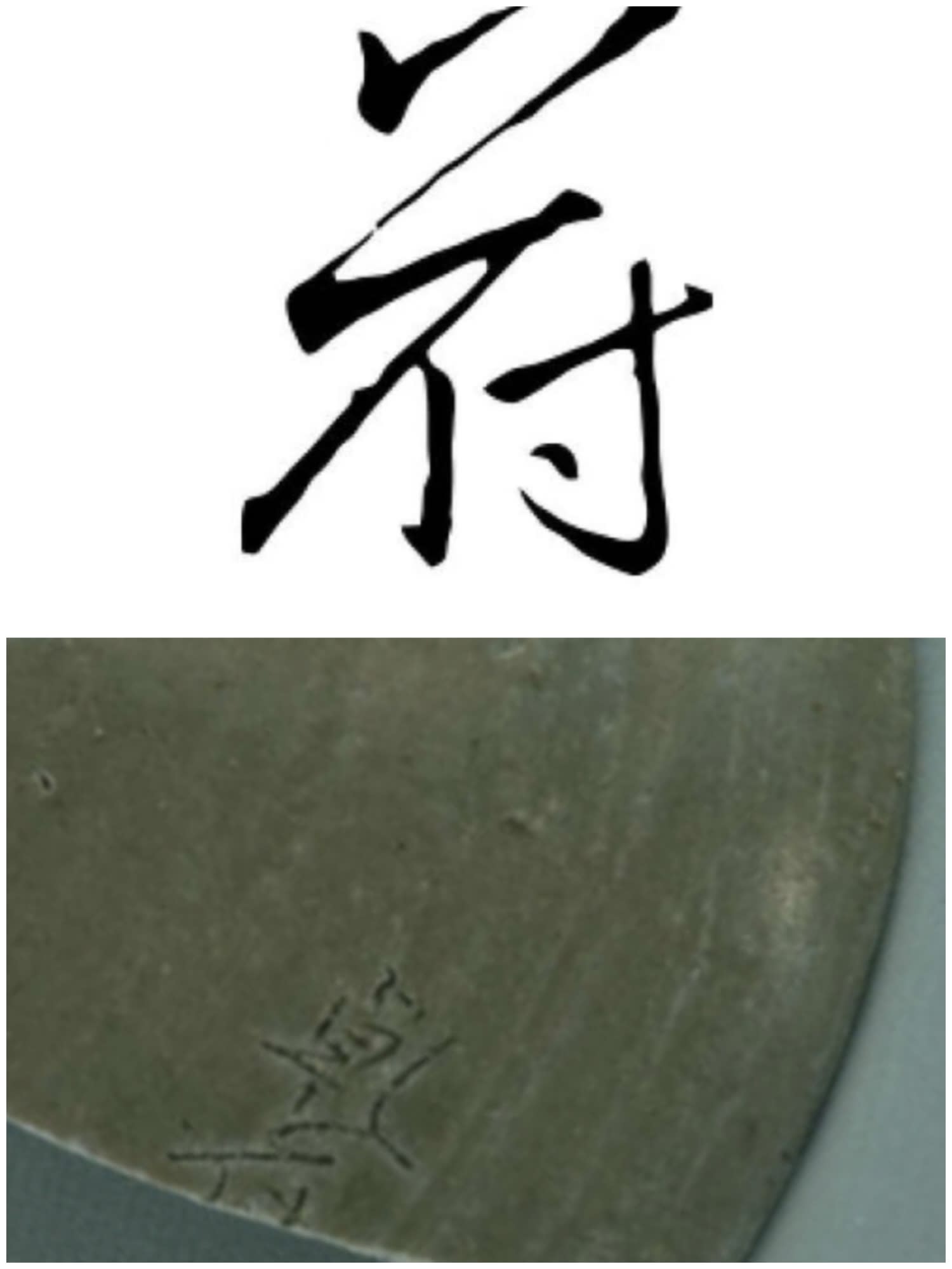
A 2013 storm in Binh Chau, Vietnam, revealed a significant Late Tang dynasty shipwreck. The site suffered from illicit looting before local collector Lam Du Xenh preserved key ceramics and hull remnants.
The Discovery of the Binh Chau Late Tang Wreck
In 2013, the coastline of Binh Chau in Quang Ngai province, Vietnam, became the site of a significant archaeological revelation when a violent storm eroded the beach, exposing the remnants of a historic shipwreck. This vessel, identified as originating from the Late Tang dynasty, represents a crucial link in the maritime history of Southeast Asia. The sudden exposure of the wreck immediately drew local attention, leading to a period of intense, unmonitored activity as villagers began scavenging the site for artifacts.
The Impact of Illicit Salvage
The immediate aftermath of the discovery was marked by chaos and destruction. As is common with exposed coastal archaeological sites, the lack of immediate state protection allowed for widespread illicit pot-hunting. This uncontrolled extraction process resulted in significant damage to the fragile ceramic cargo that had survived centuries under the sand. The historical integrity of the site was compromised, turning a potential treasure trove of data into a fragmented collection of scattered wares.
Preservation Efforts by Local Collectors
Amidst the looting, local ceramics enthusiast Mr. Lam Du Xenh emerged as a central figure in the preservation of the Binh Chau wreck's legacy. Recognizing the importance of the items being unearthed, he acquired a diverse range of wares from the site. While many pieces were severely damaged by the sea and the subsequent rough handling by scavengers, the collection provided a comprehensive sample of what the ship carried, offering researchers a rare glimpse into the trade goods of the Late Tang period.
Archaeological Significance of the Hull
Perhaps the most vital contribution made by Mr. Lam was his commitment to preserving the physical remnants of the ship itself. Beyond the ceramics, he managed to salvage sections of the vessel's wooden hull, which are now housed in an open shelter on his property. These wooden fragments are of immense scientific value, as they offer the potential for dendrochronological analysis and insights into the construction techniques utilized by shipbuilders during the Tang era.
Broader Historical Implications
The Binh Chau wreck serves as a stark reminder of the vulnerability of underwater cultural heritage. The Late Tang dynasty was a period of flourishing maritime trade, and shipwrecks like this are essential for mapping the ancient trade routes that connected China with Southeast Asia and beyond. The cargo salvaged by Mr. Lam represents the material culture of a globalized past, highlighting the economic exchanges that defined the region’s historical landscape.
Future Trends and Protection
The case of the Binh Chau wreck underscores the critical need for rapid-response protocols when coastal shipwrecks are exposed by environmental events. Moving forward, the preservation of such sites requires a balance between local community engagement and professional archaeological intervention. The remnants saved by Mr. Lam represent a fragmented but invaluable archive that future scholars will continue to study to piece together the narrative of the Late Tang maritime economy.