Lindsay Clancy supporters cast bizarre ‘justice spells’ for Massachusetts mom, say ‘real villain will be revealed’
Source Entity
Latest News: Todays Latest News Headlines from India & World | Hindustan Times | Hindustan Times
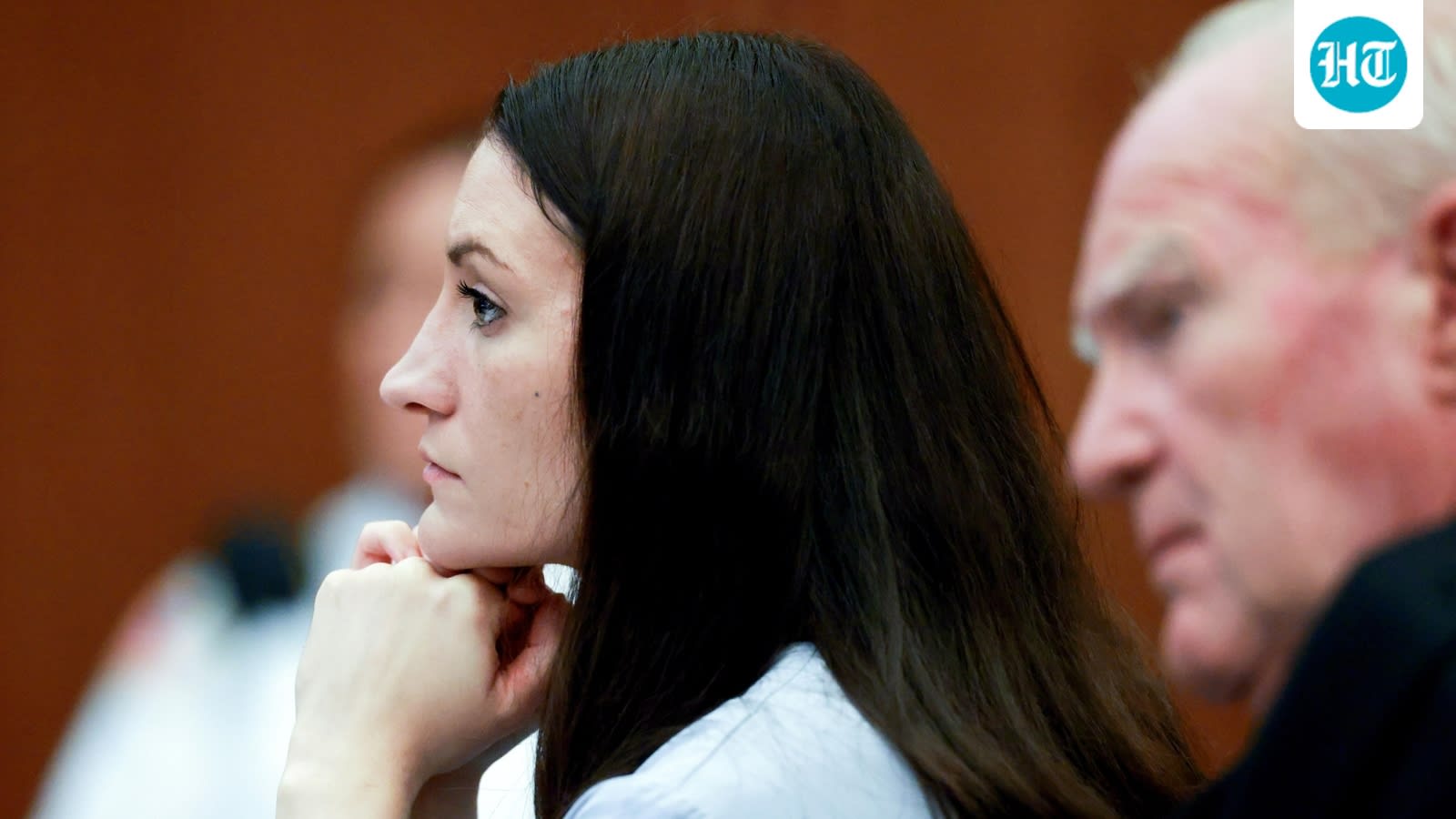
Supporters of Lindsay Clancy are casting 'justice spells' and promoting conspiracy theories claiming her innocence in the 2023 murder of her three children. This reaction highlights the intense public polarization surrounding the case, which pits allegations of intentional murder against a defense of postpartum psychosis.
The Divisive Legacy of the Lindsay Clancy Case
The legal and social fallout surrounding the case of Lindsay Clancy, a 35-year-old Massachusetts mother accused of murdering her three children—Cora, 5; Dawson, 3; and Callan, 8 months—continues to provoke intense public reaction. Recently, a segment of the public has turned to unconventional methods of support, including the casting of "justice spells" and the creation of merchandise, to advocate for the accused. This development underscores a growing, often chaotic, trend in how high-profile criminal cases are litigated in the court of public opinion, far removed from the strict evidentiary standards of the courtroom.
Legal Arguments vs. Public Perception
The core of the legal conflict rests on the mental state of the defendant at the time of the January 2023 tragedy. Prosecutors maintain that Clancy acted in a manner that was "intentional, rational, and swift," suggesting a calculated nature to the strangulation of her children. Conversely, her defense team has grounded their argument in the medical reality of severe postpartum mental illness, asserting that Clancy was suffering from a psychotic episode that rendered her not criminally responsible. This clash between clinical diagnosis and prosecutorial narrative forms the backbone of the ongoing trial.
The Rise of Digital Vigilantism
Online discourse surrounding this case has become increasingly polarized, evolving from sympathy to bizarre conspiracy theories. Some supporters have begun to cast "justice spells," manifesting a belief that a "real villain" has yet to be exposed. These groups have frequently shifted blame toward the husband, Patrick Clancy, despite the fact that the defense team itself has explicitly acknowledged that Lindsay Clancy was the one who caused the deaths of the children. This disconnect highlights the dangers of digital echo chambers where narrative preference often overrides verified legal admissions.
Broader Implications for Mental Health Advocacy
The public reaction to the Clancy case reflects a broader societal struggle to understand the intersection of severe postpartum mental health crises and criminal culpability. While many advocates for maternal mental health have used this case to highlight the lack of adequate support systems for new mothers, others have weaponized the tragedy to fuel unfounded theories. This shift creates a volatile environment that can complicate legal proceedings and cause further distress to families already navigating profound loss.
Future Trends in High-Profile Litigation
As this case moves forward, it serves as a case study for the influence of social media on the perception of justice. The trend of "justice spells" and the commercialization of support for defendants in violent cases suggests that future high-profile trials will face increasing pressure from decentralized online movements. These movements often bypass traditional media gatekeepers, relying on emotional resonance rather than factual accuracy to shape public discourse. Ultimately, the outcome of the Clancy trial will likely be scrutinized not just for its legal verdict, but for its impact on how society balances the demands of justice with the complexities of mental health advocacy.
Verification Required?