‘Don’t daydream about my jawani': Kangana Ranaut takes a sharp dig at Baba Ramdev, reminds him of SC case against him
Source Entity
Latest News: Todays Latest News Headlines from India & World | Hindustan Times | Hindustan Times
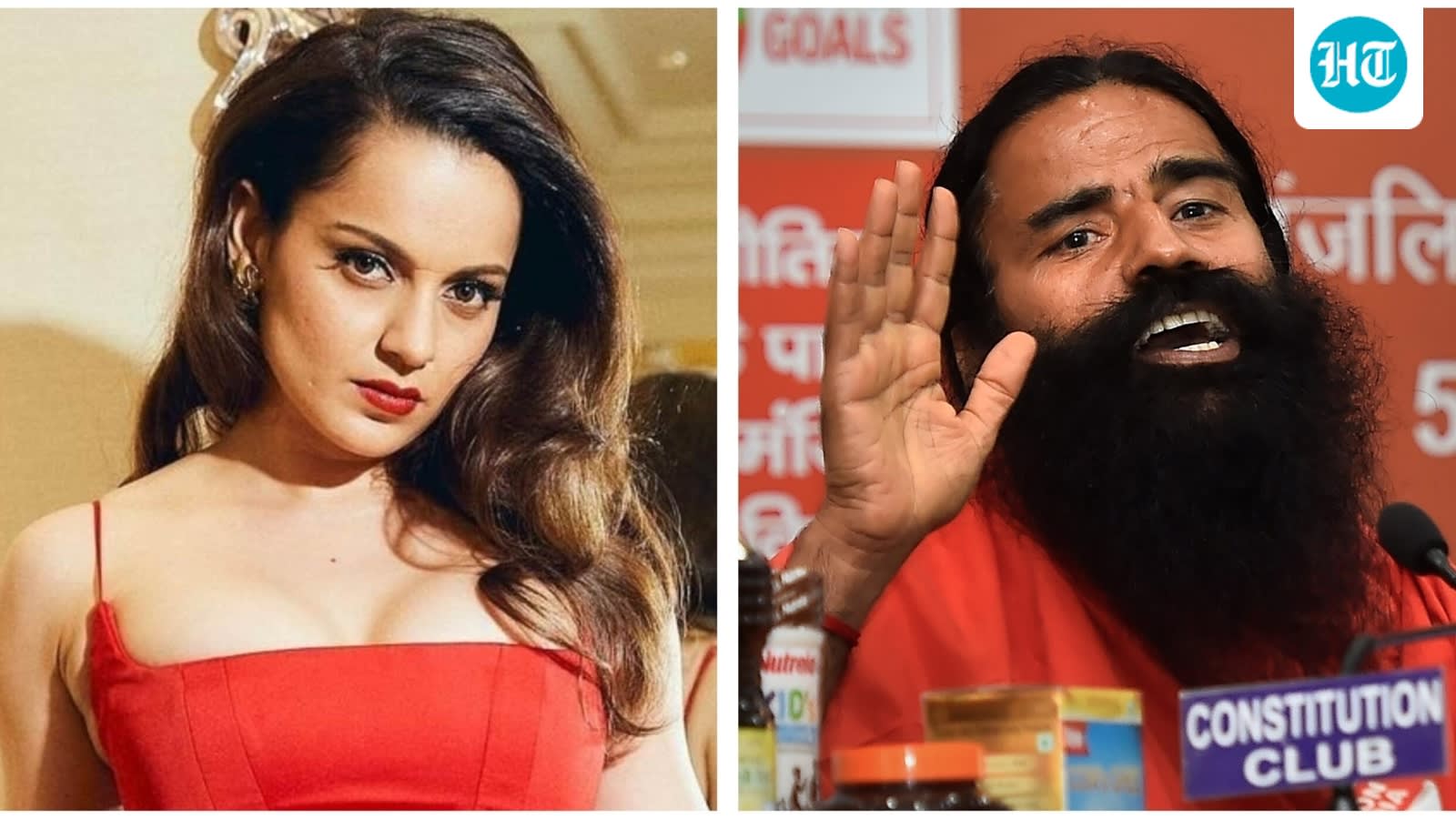
Actor and BJP MP Kangana Ranaut has sparked public discourse by linking recent violent spousal crimes in India to the influence of Western cultural values. Simultaneously, she engaged in a sharp public exchange with Baba Ramdev, defending her character against his criticism regarding her past controversial statements.
The Intersection of Social Commentary and Public Conflict
Actor and BJP Member of Parliament Kangana Ranaut has recently emerged as a central figure in two distinct, yet equally contentious, public debates. Through her social media platform, she has addressed the rising frequency of violent crimes involving spouses in India, while also engaging in a pointed verbal confrontation with yoga guru Baba Ramdev. These incidents highlight the complex role of public figures who occupy both the creative and political spheres, often using their influence to dictate the moral and cultural narratives of the nation.
Analyzing the Discourse on 'Westernisation' and Violence
Ranaut’s commentary on the tragic Bengaluru case—where a woman and her lover allegedly murdered her husband and child—serves as a critique of contemporary social shifts in India. By asserting that 'westernised culture' contributes to the detachment in relationships, Ranaut suggests that the erosion of traditional values has led to a dangerous normalization of violence. She argues that the reduction of human connections to 'body counts' reflects a societal decay that transcends simple criminal behavior, framing it instead as a byproduct of imported cultural norms that clash with India's conservative foundations.
The Historical and Cultural Context
Ranaut’s stance taps into a long-standing debate within Indian society regarding the impact of globalization on familial structures. Historically, the Indian social fabric has been anchored in extended family systems and arranged marriages, which proponents argue provide inherent stability. Ranaut’s warning against 'normalising' these violent incidents suggests a fear that the rapid adoption of Western individualistic ideals, without the corresponding social support systems found in the West, is creating a vacuum of accountability and empathy, leading to tragic outcomes.
Escalation of Conflict with Baba Ramdev
Parallel to her sociological critiques, Ranaut has engaged in a public feud with Baba Ramdev. This conflict stems from Ramdev’s criticism of Ranaut’s previous 'Generation Gutter' remark, which had targeted young protesters. Ranaut’s retort was swift and personal, contrasting her own record against the Supreme Court’s past scrutiny of Ramdev’s business practices. This exchange underscores the volatile nature of public discourse where character, professional integrity, and political alignment are frequently weaponized by influential voices.
Implications for Political and Social Leadership
As an elected representative, Ranaut’s tendency to address sensitive social issues through personal social media channels creates a unique dynamic. While her supporters view her as a brave voice challenging societal norms, critics often point to the polarizing nature of her rhetoric. The intersection of her political role as a BJP MP and her status as a celebrity means that her comments carry significant weight, often blurring the lines between policy-oriented discourse and personal grievances.
Conclusion: The Future of Public Debate
Moving forward, these events indicate a continued trend of high-profile figures using digital platforms to shape public opinion on moral and cultural issues. The tension between tradition and modernity will likely remain a focal point of Ranaut’s commentary. As India continues to navigate the complexities of a changing social landscape, the influence of such figures will remain pivotal in determining how these sensitive topics are debated, interpreted, and eventually integrated into the broader national consciousness.
Verification Required?