Ram Gopal Varma clears ₹1.11 crore dues after FWICE halted Police Company shoot for hours over 9-year-old payments
Source Entity
Latest News: Todays Latest News Headlines from India & World | Hindustan Times | Hindustan Times
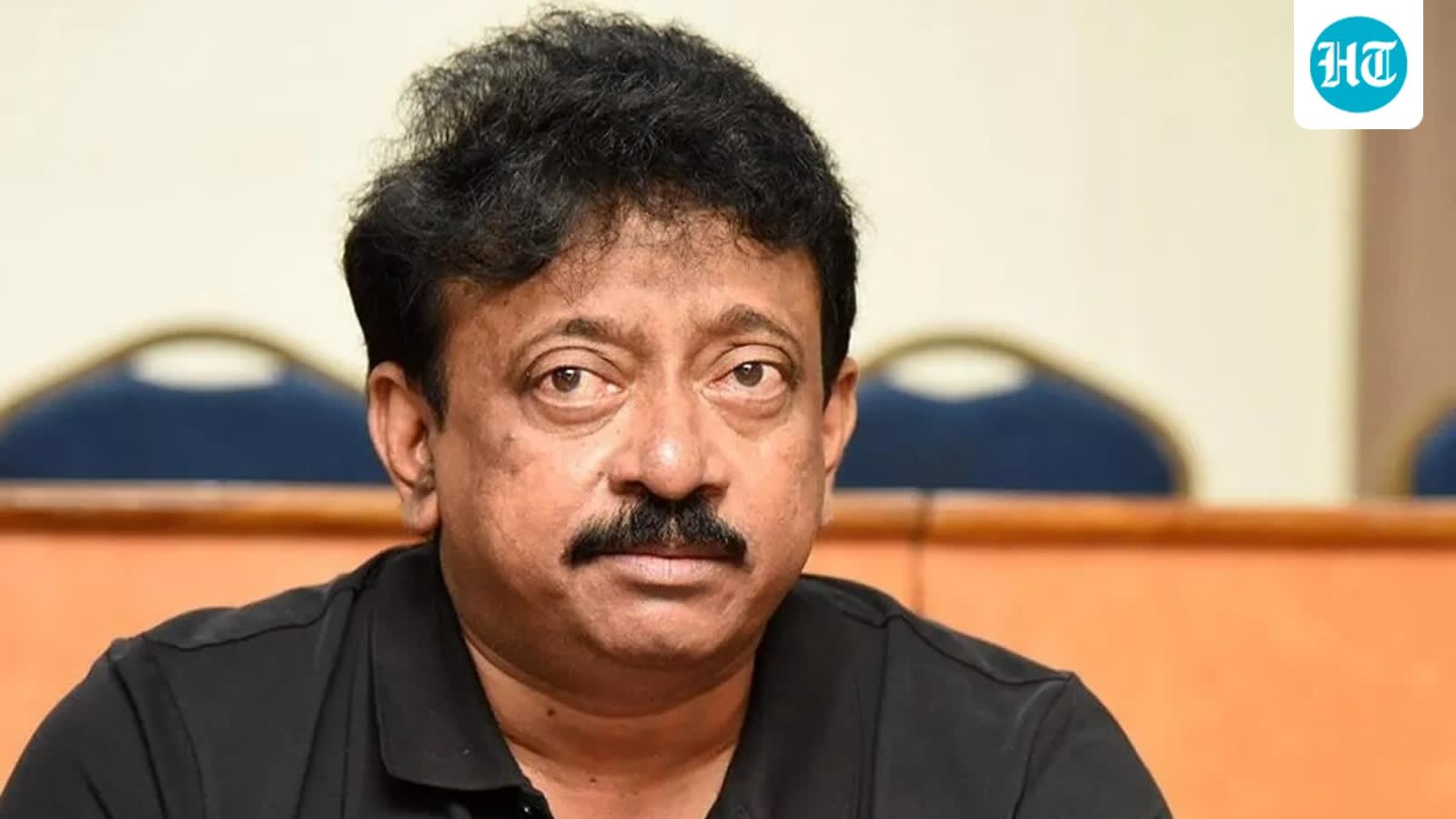
Filmmaker Ram Gopal Varma has cleared outstanding dues of Rs 1.11 crore following a production halt on his upcoming film, Police Company. The payment settles a nine-year dispute involving multiple projects, facilitated by the intervention of the Federation of Western India Cine Employees (FWICE).
Production Halt Leads to Settlement of Long-Standing Dues
The recent disruption on the set of Ram Gopal Varma’s upcoming cop drama, Police Company, serves as a stark reminder of the persistent labor issues within the Indian film industry. Production was brought to a standstill on August 17 when members of the Federation of Western India Cine Employees (FWICE) ceased work to protest nearly a decade of unpaid wages. The strike, which halted operations at a set in Versova for approximately five hours, ultimately forced the filmmaker to address a financial liability totaling Rs 1.11 crore.
The Anatomy of the Financial Dispute
The dispute centered on residual payments that had remained unsettled for nine years. While the immediate catalyst for the protest was the ongoing production of Police Company—starring Harshvardhan Rane—the underlying grievances extended to three of Varma’s previous cinematic ventures. Notably, the outstanding amounts included dues from Sarkar 3, released in 2017, and Officer, released in 2018. The accumulation of these debts over such an extended period highlights a systemic failure in payment accountability that technicians and daily-wage workers often face.
The Role of FWICE in Labor Advocacy
The intervention of the FWICE proved to be the decisive factor in resolving this impasse. By mobilizing cameramen, fighters, and various technical crew members to stop work, the federation utilized its collective bargaining power to demand accountability. Despite periodic reminders issued by the body over the years, the filmmaker had previously failed to clear the arrears. This incident underscores the vital role labor unions play in protecting the interests of the workforce in an industry where individual workers often lack the leverage to challenge high-profile directors directly.
Impact on Current and Future Productions
For Police Company, a film reportedly centered on the underworld era of Dawood Ibrahim, the halt was a significant operational hurdle. By finally clearing the Rs 1.11 crore, Varma ensured the resumption of his current project, yet the event has cast a spotlight on his production history. The resolution of this long-standing debt provides immediate relief to the affected technicians but also raises questions regarding industry standards for payment transparency and the necessity of proactive financial management in high-budget film projects.
Broader Implications for the Indian Film Industry
This incident is reflective of broader tensions within Bollywood, where the financial stability of daily-wage earners is frequently at odds with the erratic production cycles of major filmmakers. As the industry evolves, there is an increasing demand for standardized payment protocols to prevent such prolonged disputes. The successful resolution facilitated by the FWICE may serve as a precedent for other crew members seeking to recover long-overdue compensation, potentially leading to more rigorous oversight of production budgets moving forward.
Conclusion
The settlement of these nine-year-old dues marks a resolution to a contentious chapter in the filmmaker's recent career. While the immediate production of Police Company is back on track, the episode serves as a cautionary tale for the industry. It emphasizes that labor rights and financial obligations are foundational to sustainable filmmaking, and that unions remain a critical check against the neglect of essential production staff.
Verification Required?