Trump Extends H-1B Visa Restrictions, $100,000 Fee Plan By Another Year
Source Entity
NDTV News Search Records Found 1000
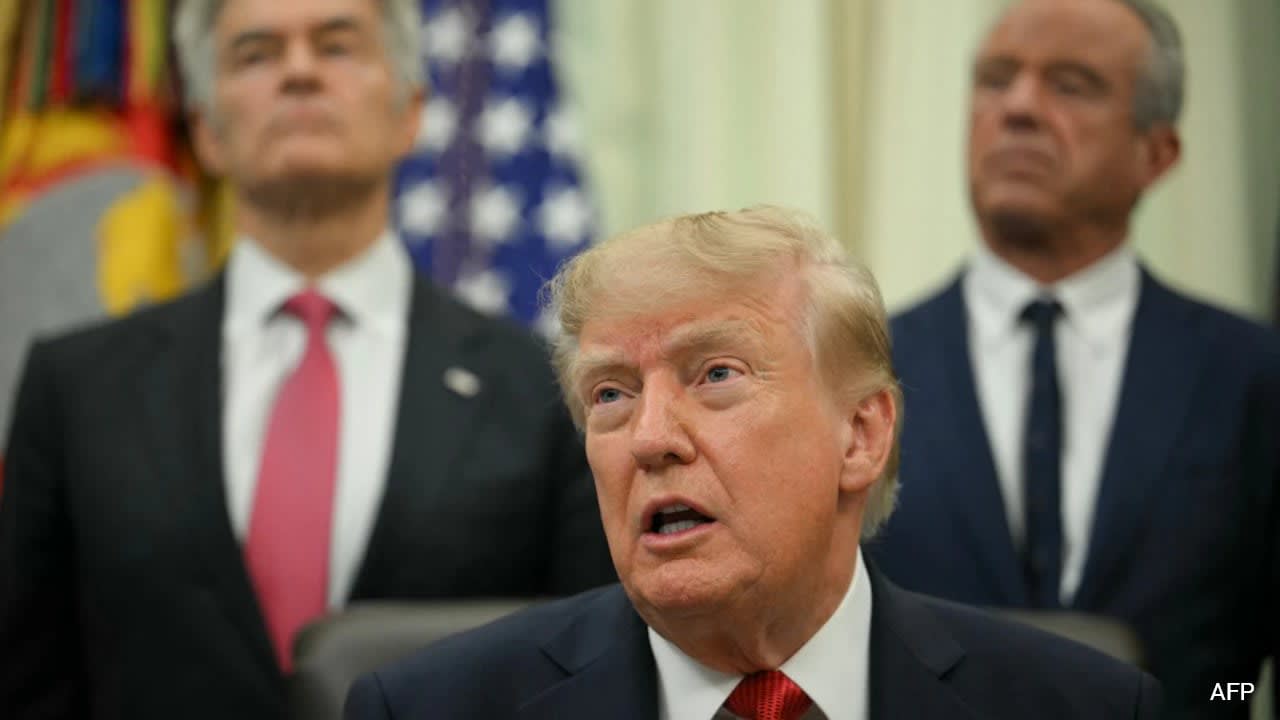
President Trump has extended a controversial $100,000 H-1B visa fee policy through September 2027, despite ongoing legal blocks. The mandate aims to restrict IT outsourcing, significantly impacting Indian tech professionals and corporate hiring strategies.
The Continued Standoff Over H-1B Visa Fees
President Donald Trump has officially extended the proclamation imposing a $100,000 fee on specific H-1B visa petitions, pushing the policy's duration through September 21, 2027. This move reaffirms the administration's aggressive stance toward the H-1B program, which the White House characterizes as a system plagued by exploitation. By targeting IT staffing and outsourcing firms, the administration seeks to curb what it describes as the displacement of American workers by lower-paid foreign labor.
Legal Obstacles and Judicial Pushback
Despite the executive extension, the practical enforcement of this $100,000 fee remains in a state of legal limbo. A federal district court previously vacated the original 2025 framework, and a federal appeals court has refused to stay that decision. Consequently, the United States Citizenship and Immigration Services (USCIS) is currently barred from collecting these exorbitant fees. The legal challenge, spearheaded by a coalition of 20 U.S. states, underscores the significant constitutional and administrative friction surrounding the president's attempt to reshape immigration through executive proclamation.
Impact on the Global Tech Workforce
For Indian engineers and specialized technicians, this policy extension creates an environment of profound uncertainty. The prospect of a $100,000 surcharge per hire has already contributed to a reported 92% plunge in H-1B filings by IT firms. This massive drop reflects a chilling effect on international recruitment strategies, as companies weigh the financial viability of hiring foreign talent against the potential for recurring, high-cost regulatory barriers.
Economic Implications and Structural Shifts
Beyond individual career paths, the policy shift suggests a broader structural transformation in how U.S. companies approach international talent acquisition. By framing the H-1B program as a tool that has been "exploited to replace" rather than "supplement" the domestic workforce, the administration is forcing firms to reconsider the reliance on entry-level, offshore-sourced labor. This could accelerate a transition toward more localized, higher-cost hiring models within the U.S. technology sector.
Future Outlook and Policy Sustainability
As the administration maintains these restrictions, the tension between executive authority and judicial oversight will likely remain the defining feature of this policy. With the fee mandate extended until 2027, the tech industry must prepare for a prolonged period of volatility. Whether the administration can successfully overcome the existing legal blocks or if the courts will continue to provide a check on these sweeping financial mandates will determine the future of the H-1B visa as a viable mechanism for high-skilled immigration.
Multiple Citing Sources
Verification Required?