Judge orders probe after 400 trees cut at Trump's Washington golf course
Source Entity
TOI WORLD DESK
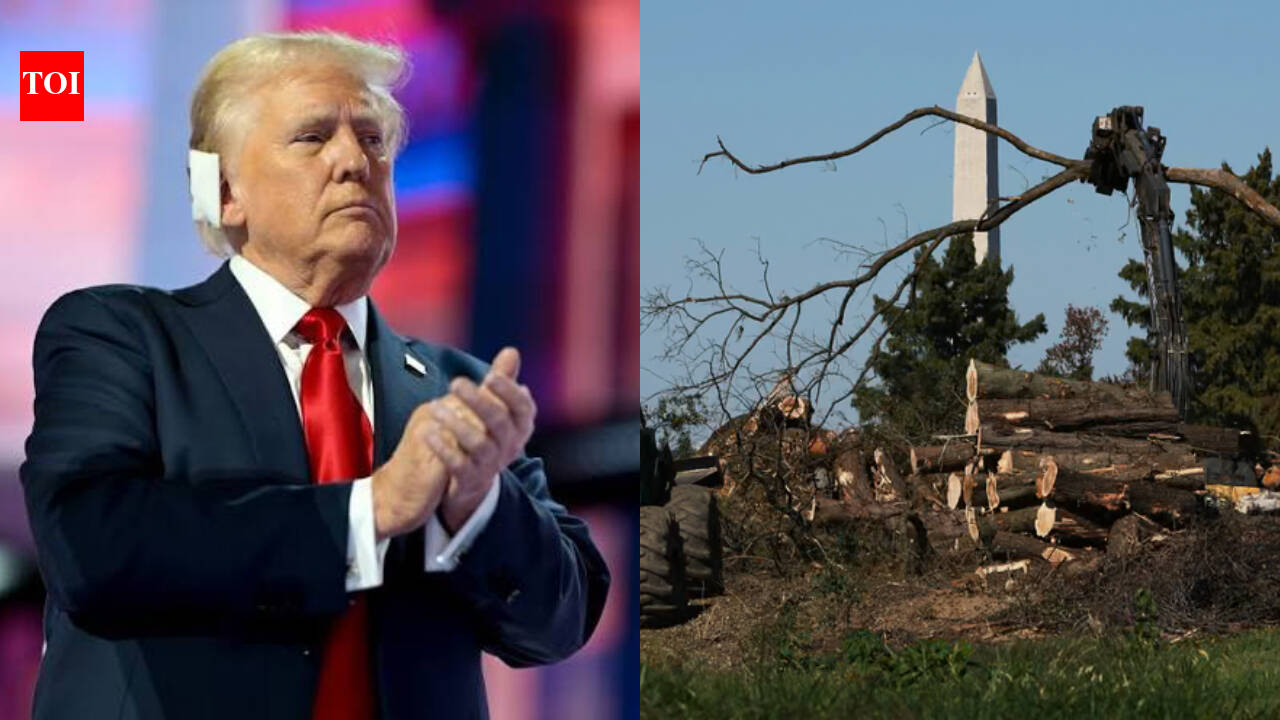
A judicial probe has been launched into the unauthorized removal of 400 trees at a Trump-owned golf course in Washington, D.C. The investigation, led by a former prosecutor, examines potential government misconduct regarding environmental safeguards and transparency.
Judicial Scrutiny at Trump's Washington Golf Course
The ongoing redevelopment of a prominent golf course in Washington, D.C., associated with Donald Trump, has escalated into a significant legal controversy. The central point of contention involves the unauthorized removal of approximately 400 trees, a development that has triggered a formal judicial probe. This investigation seeks to determine whether environmental safeguards were ignored and if the federal government adequately represented its intentions throughout the planning and execution phases of the project.
The Role of Government Conduct
At the heart of this probe is the question of transparency and adherence to administrative law. A former prosecutor has been appointed to scrutinize the conduct of government lawyers involved in the oversight of this project. The appointment is critical, as it aims to establish whether the administration deliberately misled the court or the public regarding the scope of the redevelopment. The involvement of a former prosecutor underscores the gravity of the allegations, moving the case from a standard environmental dispute to a question of institutional integrity.
Environmental and Public Land Implications
For many observers, the removal of 400 trees is not merely a landscaping issue but a direct challenge to environmental stewardship on public land. The golf course, situated in a historic recreational area, is subject to strict regulatory oversight designed to preserve the aesthetic and ecological value of the capital's green spaces. The clearing of such a significant number of trees suggests a potential bypass of established environmental impact assessments, raising questions about whether existing safeguards are sufficient to protect public assets from private redevelopment interests.
A Broader Political Confrontation
This dispute serves as a microcosm for a wider political and legal confrontation regarding the intersection of private business interests and federal authority. The judicial investigation into government representations mirrors broader tensions surrounding the administration's policy-making processes. By questioning the honesty of the government’s legal filings, the court is essentially signaling that the project's development path may have relied on a lack of transparency that violates the trust inherent in public-private land agreements.
Future Legal Trends
Looking ahead, the findings of the appointed prosecutor could set a legal precedent for how future redevelopment projects on public land are handled. If it is determined that government lawyers misrepresented the administration's intentions, it could lead to stricter judicial oversight for similar projects and potential sanctions against the parties involved. The outcome of this probe will likely influence public discourse on the balance between executive discretion and the legal requirements for environmental protection, serving as a benchmark for governmental accountability in the coming years.