Reds gone, but 'dimagi Naxals' still instigating people: PM Modi
Source Entity
RASHMI DROLIA
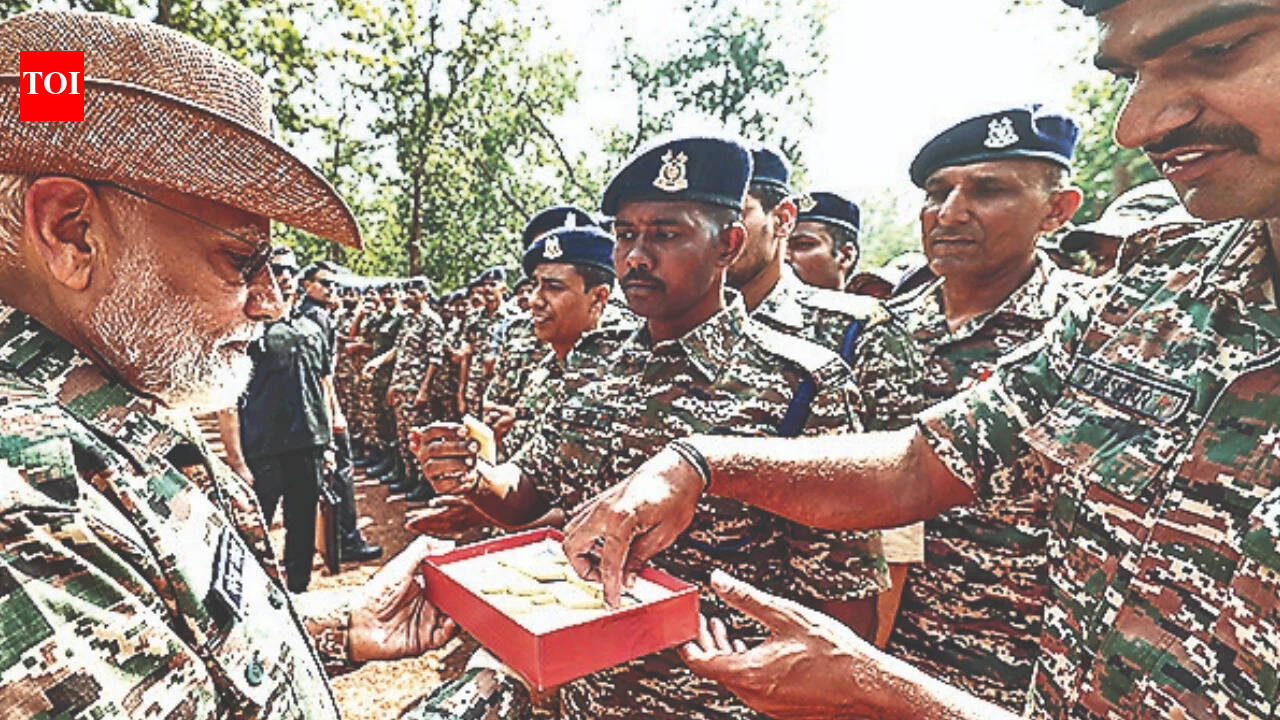
Prime Minister Narendra Modi has claimed that while physical Naxalite insurgency has declined, 'intellectual Naxals' continue to incite public unrest. He emphasized that these elements remain a persistent challenge to national stability despite the erosion of militant strongholds.
The Shift from Armed Insurgency to Intellectual Influence
Prime Minister Narendra Modi has recently highlighted a significant evolution in the internal security landscape of India. By stating that the 'Reds'—a reference to the armed Naxalite or Maoist insurgency—are largely gone, the Prime Minister is signaling a major shift in the state's perception of domestic threats. For decades, the Naxalite movement was primarily viewed through the lens of kinetic warfare, involving direct confrontation between state security forces and armed cadres in remote, forested regions of central and eastern India.
Defining the 'Dimagi Naxals'
The term 'dimagi Naxals,' or intellectual Naxals, used by the Prime Minister suggests that the government now perceives the primary threat to be ideological rather than physical. This rhetoric implies that the ideology of the movement has transcended the jungle terrain and infiltrated urban centers, academic institutions, and social discourse. According to this perspective, these individuals are seen as 'instigators' who use democratic platforms to sow discord and challenge the state's authority, effectively replacing the guerrilla fighter with the political agitator.
Historical Context and Security Evolution
The history of the Naxalite movement traces back to the late 1960s in West Bengal, evolving from a peasant uprising into a protracted insurrection. For years, the Indian government invested heavily in infrastructure, security, and developmental schemes to combat this movement in the 'Red Corridor.' The Prime Minister's assertion that the 'Reds are gone' reflects the success of these multi-pronged security and development strategies in weakening the armed capability of the insurgents, forcing a pivot in the government's rhetoric toward non-kinetic threats.
Broader Implications for National Discourse
This narrative carries significant implications for India’s political and social climate. By labeling critics or ideological opponents as 'intellectual Naxals,' the government is framing a clear battle line between state-aligned nationalism and what it defines as subversive ideological influence. This framing is likely to influence future policy, potentially leading to increased scrutiny of civil society organizations, academic discourse, and political dissent that falls under this newly defined category of internal security threats.
Future Trends in Domestic Policy
Looking ahead, it is probable that the Indian state will continue to prioritize the monitoring of ideological narratives as much as physical security. The focus is shifting toward 'soft power' management, where the government seeks to counter narratives it deems harmful to national unity. This indicates that the next phase of Indian internal security policy will be defined by an intense focus on the battle of ideas, reflecting a broader global trend where governments are increasingly concerned about the power of rhetoric and intellectual influence in shaping public perception and national stability.