On candidate’s plea, HC asks Gujarat government to produce teacher recruitment timeline
Source Entity
Aditi Raja
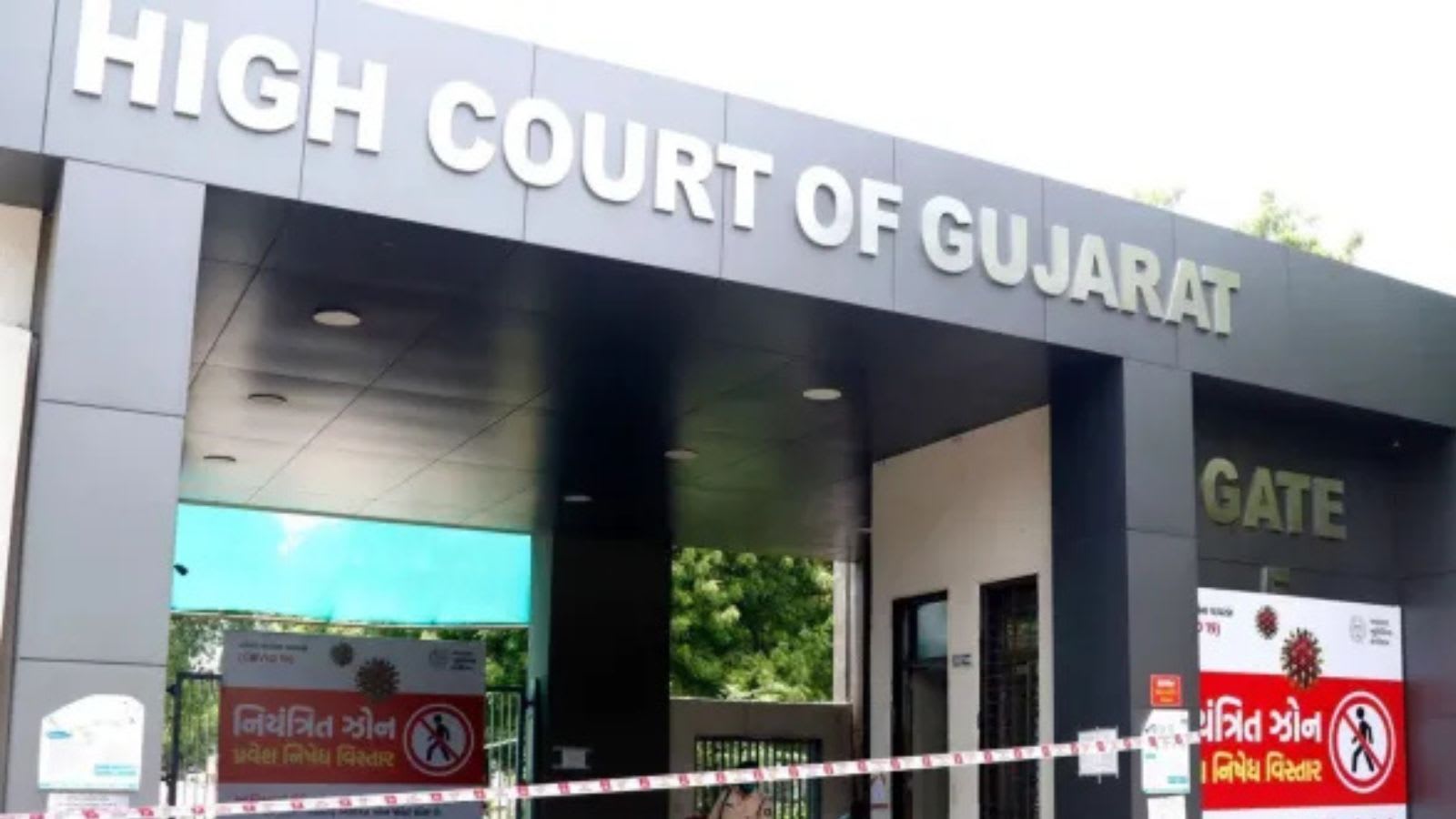
The Gujarat High Court has taken a firm stance against administrative non-compliance, penalizing an Ahmedabad collector for defying court orders and demanding transparency in teacher recruitment processes. These rulings emphasize the judiciary's role in upholding bureaucratic accountability and protecting citizens' rights.
Judicial Oversight and Administrative Accountability in Gujarat
Recent directives from the Gujarat High Court highlight a growing trend of judicial intervention aimed at curbing bureaucratic inertia and ensuring compliance with the rule of law. By ordering the Ahmedabad collector to personally pay Rs 1 lakh in litigation costs for defying previous court orders regarding non-agricultural land use, the court has sent a clear message that government officials are not exempt from the consequences of administrative negligence. This move underscores the judiciary's role as a vital check on executive overreach, particularly when officials repeatedly ignore legal precedents and prior rulings that have already settled a matter.
The Erosion of Judicial Authority
The case involving petitioner Bhumika Rao serves as a stark reminder of the consequences of institutional defiance. Justice M K Thakker’s observation that the collector’s actions constituted a “flagrant violation” reflects deep-seated concerns regarding the dignity of the justice system. When government functionaries repeatedly reject applications on grounds that have been explicitly set aside by a court, they undermine the foundational authority of the legal system. This behavior forces citizens into protracted legal battles, depleting their resources and time, which the court has now sought to address by holding the specific official personally accountable.
Protecting Citizens from Bureaucratic Apathy
Beyond property disputes, the Gujarat High Court is also asserting its oversight in the realm of public employment. The case of Sushila Maheriya, a candidate for the Shikshan Sahayak (teaching assistant) position, demonstrates the court’s commitment to ensuring fairness in government recruitment. By demanding the state government produce a detailed recruitment timeline, the court is investigating whether a candidate who missed a verification process due to a medical emergency—a severe seizure related to a past brain stroke—can still be accommodated. This inquiry is essential to determine if vacant posts exist that could prevent the exclusion of a qualified candidate based on unavoidable health crises.
The Intersection of Law and Public Service
The broader implication of these rulings is a call for higher standards of bureaucratic efficiency and empathy. In the case of the teacher recruitment drive, the court's intervention suggests that administrative rules should not be applied so rigidly that they become exclusionary, especially when genuine medical emergencies are involved. Public servants are expected to function as facilitators of justice rather than obstacles. The court’s insistence on transparency and adherence to timelines aims to bridge the gap between state processes and the needs of the citizens they are intended to serve.
Future Trends in Judicial Vigilance
Looking forward, we can expect the judiciary to continue utilizing personal financial penalties against public officials as a primary tool to ensure the implementation of court orders. By shifting the burden of litigation costs from the taxpayer to the individual official responsible for the delay, the court creates a powerful deterrent against future non-compliance. This strategy signifies a shift toward a more proactive judicial oversight model, where the court actively monitors the execution of its directives rather than merely issuing them and awaiting potential defiance.
Conclusion
Ultimately, these two cases illustrate that the Gujarat High Court is taking a zero-tolerance approach toward administrative apathy and procedural rigidity. Whether dealing with property rights or employment opportunities, the court is prioritizing the protection of individual rights against the might of the state apparatus. By mandating accountability, the judiciary is reinforcing the principle that all public actions must be conducted with dignity, transparency, and a strict adherence to the rule of law.