Bengal police shoot rape-murder accused dead, 4th encounter in 4 months
Source Entity
Sweety Kumari
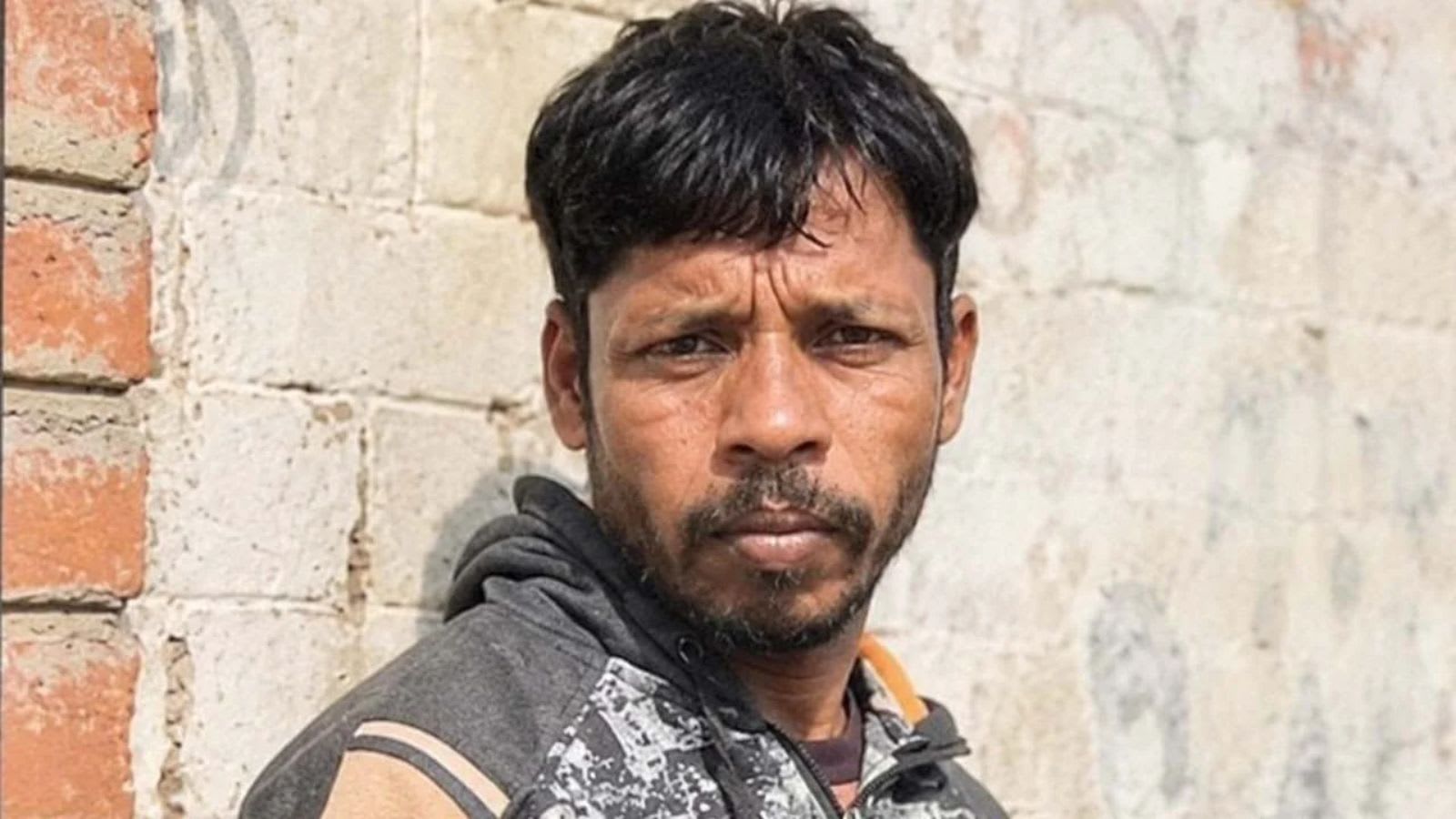
Dilip Roy, a suspect in a minor's rape and murder in West Bengal, was killed in a police encounter near Raiganj. This marks the fourth such incident since the BJP government took power in May 2026, drawing defense from Chief Minister Suvendu Adhikari.
The Raiganj Encounter: A Pattern of Policing in West Bengal
On November 9, 2026, the state of West Bengal witnessed another controversial police encounter involving the death of Dilip Roy, a suspect accused of the rape and murder of a minor girl in the Uttar Dinajpur district. The incident began following the disappearance of the 12-year-old victim on November 3, after she failed to return home while cycling. Her body was discovered days later in a forest near the Kulik River, leading to a massive four-day police manhunt that culminated in the fatal exchange of fire near the West Bengal-Bihar border.
Escalation and Police Retaliation
According to official police reports, the confrontation occurred late on the night of November 8, 2026, when authorities attempted to apprehend Roy at a village in Raiganj. Officials claim that the suspect opened fire on the approaching police team, necessitating a retaliatory response. While Roy was transported to the Raiganj Medical College and Hospital following the shooting, he was declared dead upon arrival. This sequence of events reflects an increasingly aggressive posture by law enforcement in the region when dealing with suspects of violent crimes.
The Broader Political Context
This event is not an isolated occurrence but rather the fourth 'encounter' death reported in West Bengal since the BJP government assumed power in May 2026. These incidents have sparked a significant debate regarding the state's criminal justice approach. The recurring nature of these encounters suggests a shift in the operational strategy of the state police, moving toward a more assertive, and often lethal, method of handling high-profile criminal cases, particularly those involving crimes against women and children.
Governmental Stance and Operational Freedom
West Bengal Chief Minister Suvendu Adhikari has publicly defended the police action. Speaking from Digha, the Chief Minister emphasized that police personnel are fully entitled to use force in self-defense. Furthermore, he noted that his administration has granted law enforcement significant operational freedom when addressing specific, high-priority offenses, including rape, murder, drug trafficking, and illegal infiltration from across the Bangladesh border. This policy framework indicates that the state government views these encounters as a legitimate tool for maintaining public order.
Implications for Rule of Law
The defense of these encounters by the state leadership highlights a stark divide in the discourse surrounding human rights and judicial process. While the government maintains that this 'zero-tolerance' approach is necessary to deter heinous crimes and ensure swift justice, critics often express concern regarding the lack of judicial oversight in such fatal encounters. As the administration continues to prioritize the operational autonomy of the police, the trend of encounter-style justice is likely to remain a central point of contention in West Bengal’s political landscape.
Future Trends and Outlook
Moving forward, the frequency of these encounters will likely continue to draw scrutiny from civil society and legal experts. The government's explicit backing of police actions in cases of rape and murder suggests that this strategy will persist as a hallmark of the current administration’s security policy. The ongoing tension between state-sanctioned police force and the traditional requirements of due process will remain a significant factor in the state’s socio-political development throughout the remainder of the government's term.