Akhilesh Yadav attacks BJP over demolition of Bismillah Khan’s Varanasi house, officials deny role
Source Entity
The Indian Express
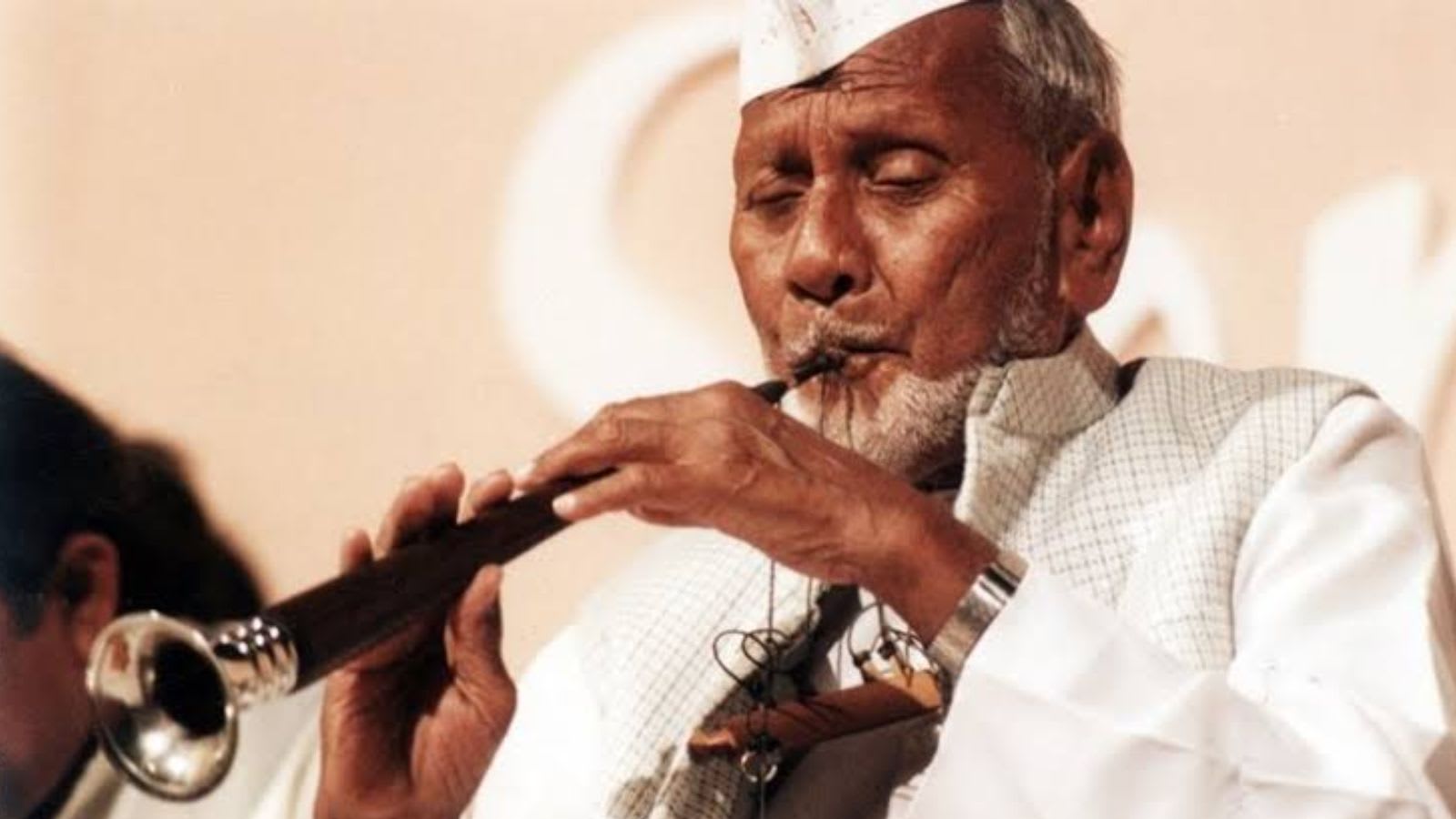
Samajwadi Party leader Akhilesh Yadav has criticized the BJP following the partial demolition of Ustad Bismillah Khan’s ancestral home in Varanasi. While the maestro's grandson claims the structure was unsafe, the incident has sparked a heated political debate over the preservation of India's cultural heritage.
The Controversy Surrounding Bismillah Khan’s Ancestral Home
The recent demolition of a portion of Ustad Bismillah Khan’s 90-year-old ancestral home in Varanasi has ignited a significant political firestorm. Samajwadi Party (SP) chief Akhilesh Yadav has leveled sharp criticism against the Bharatiya Janata Party (BJP), framing the destruction of the property as an assault on India’s shared cultural legacy. Yadav’s remarks, shared via social media, characterize the act as a manifestation of a 'narrow mindset' that inherently opposes the arts and those who contribute to the cultural tapestry of the nation.
The Cultural Significance of the Maestro
Ustad Bismillah Khan, a Bharat Ratna awardee, remains a towering figure in Indian classical music, synonymous with the soul of Varanasi. His life was defined by an unbreakable bond with the city, famously illustrated by his refusal to relocate to the United States because he could not take the 'Ganga' with him. His home was not merely a physical structure; it was considered a repository of the rhythms, rituals, and spirit of Banaras that shaped his iconic shehnai performances. The current dispute over the property highlights the ongoing tension between private ownership and the preservation of national heritage.
Conflicting Narratives and Official Denials
While the political discourse frames the demolition as a targeted act of cultural erasure, the practical reality presented by family members offers a different perspective. Mohammad Sibtain, the grandson of the late maestro, has stated that the demolition was a necessity due to the building’s dilapidated and unsafe condition. According to Sibtain, the structural integrity of the 90-year-old house had reached a point of danger, necessitating the partial teardown. He further claims that the intention behind the clearance is to eventually establish a museum dedicated to the legendary musician on the ground floor.
Political Implications and Heritage Preservation
Akhilesh Yadav’s intervention elevates this local property dispute into a national ideological conflict. By attacking the BJP, Yadav is leveraging the incident to critique the broader approach toward cultural conservation in the country. This narrative suggests that political entities have a responsibility to intervene when sites of historical or cultural importance are threatened, regardless of private ownership claims. The BJP, meanwhile, has distanced itself from the demolition, with officials denying any state role in the destruction, thereby creating a stalemate between accusations of state negligence and claims of private property management.
Future Trends in Cultural Heritage Management
This incident underscores the fragility of legacy architecture in India. As many historical homes of artists and luminaries fall into disrepair, the conflict between heirs seeking redevelopment and the public interest in preservation will likely intensify. Without clear policy frameworks or government incentives for the restoration of heritage properties, such sites remain vulnerable to both natural decay and the pressures of urbanization. The debate over Bismillah Khan’s home serves as a poignant reminder that the survival of cultural landmarks requires more than just sentiment—it requires proactive institutional support and sustainable management strategies.