Pargat Singh at Idea Exchange: ‘The centralised governance model BJP implemented in Delhi is what AAP adopted in Punjab. We must demolish it’
Source Entity
Manoj C G
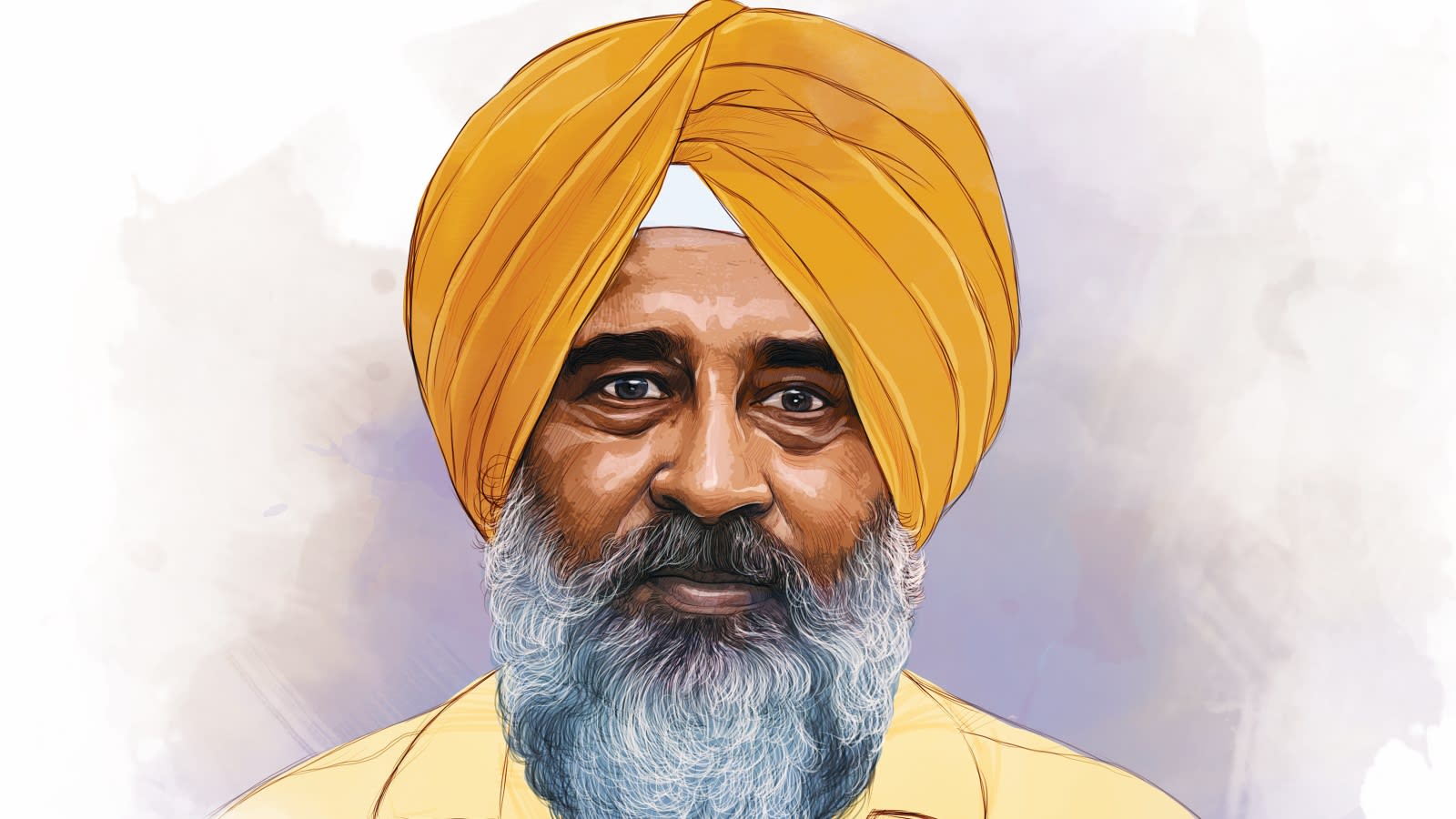
Punjab Congress President Pargat Singh advocates for dismantling the centralized governance models he claims are utilized by both the BJP and AAP. He emphasizes a strategic, leadership-oriented approach to tackling Punjab's systemic challenges, including debt and the drug crisis.
Rethinking Punjab’s Governance: A Strategic Shift
Punjab Pradesh Congress Committee (PPCC) President Pargat Singh has recently articulated a sharp critique of the current political landscape in Punjab. During an Idea Exchange session moderated by the Indian Express, Singh identified a critical flaw in the state's administration: the adoption of a centralized governance model. He explicitly compared the Aam Aadmi Party’s (AAP) approach in Punjab to the model implemented by the BJP in Delhi, arguing that such centralization stifles local autonomy and effective state-level decision-making.
The Sportsman’s Approach to Politics
Drawing from his background as a professional athlete, Singh described his leadership style as one of calculated patience and decisive action. By observing the political field from behind, as one might on a sports pitch, he claims to have developed a clearer perspective on when to remain defensive and when to launch an attack. This mindset is central to his vision for the Punjab Congress: moving beyond mere electoral victory to focus on the long-term, successful administration of the state.
Addressing Systemic Crises
Beyond the debate on governance models, Singh highlighted the severe challenges currently facing Punjab. The state is grappling with a significant drug menace and a mounting debt crisis that threatens its economic stability. Singh’s rhetoric suggests that these issues are not merely incidental but are exacerbated by the very centralized structures he seeks to dismantle. By decentralizing power, he argues, the state could foster more localized, efficient solutions to these deep-seated socio-economic problems.
Overcoming Internal Factionalism
Internal unity remains a pivotal concern for the Congress party in Punjab. As noted during the discussion, the selection of Singh as the PPCC President comes amid the presence of various senior leaders like Partap Singh Bajwa and Charanjit Singh Channi. Singh’s challenge is to navigate these internal dynamics while maintaining a unified front. His emphasis on leading the party to a functional and successful government reflects an attempt to shift the focus from individual aspirations to collective governance.
Future Implications and Conclusion
The call to 'demolish' the centralized model represents a significant ideological pivot for the Congress in Punjab. If Singh’s vision gains traction, it could signal a shift toward regional empowerment and a rejection of the high-command style of politics often seen in national parties. Ultimately, the success of this strategy will depend on whether the Congress can effectively reconcile its internal factionalism and present a cohesive alternative that addresses the pressing economic and social crises that define contemporary Punjab.