'You'll know soon enough': Trump's warning on 'destroying' rest of Iran
Source Entity
TRISHA MAHAJAN
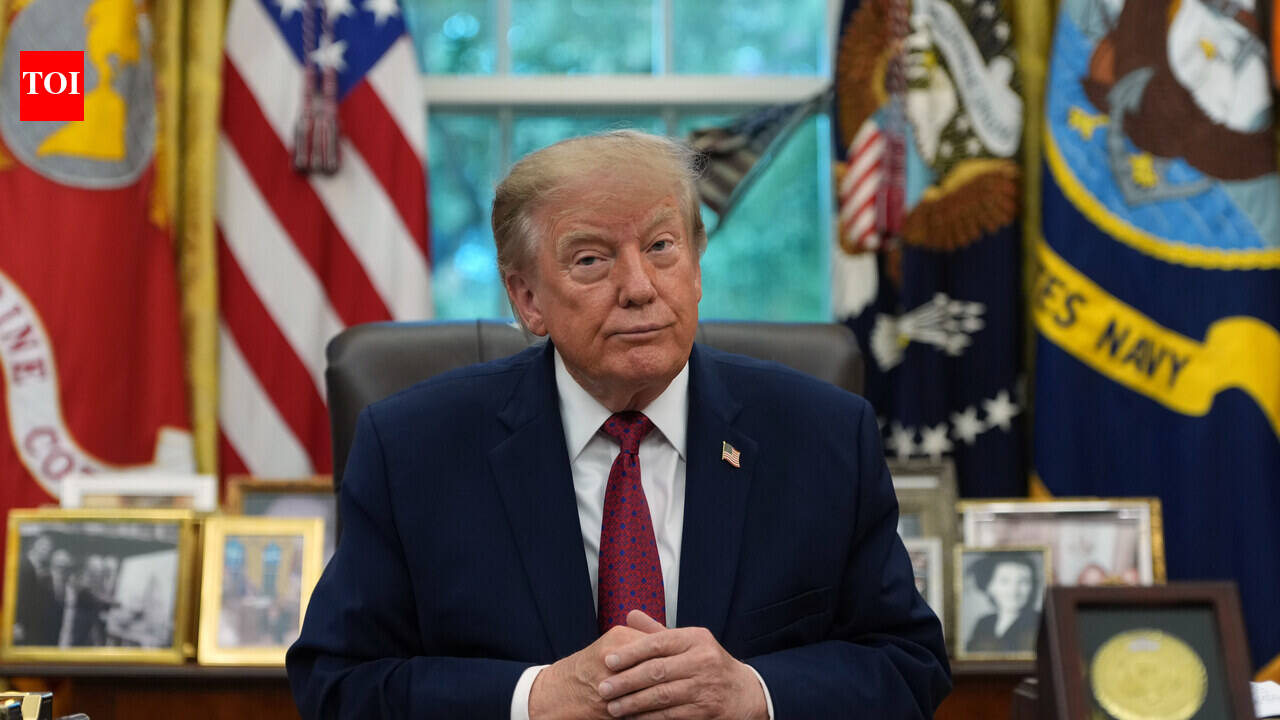
President Trump has issued a stern warning to Iran, suggesting potential military action if the nation continues its nuclear program without US oversight. Meanwhile, Tehran has presented conditions for negotiation as the US military evaluates options for renewed regional strikes.
Tensions Escalate: The US-Iran Standoff
President Donald Trump has recently issued a stark warning to Iran, signaling that the United States is prepared to take further military action if Tehran continues its nuclear development without American approval. During a press conference at the Oval Office, Trump explicitly noted that while he would prefer to avoid the further destruction of the country, he has not ruled out the possibility of renewed strikes. This rhetoric underscores a deepening geopolitical crisis that has persisted despite shifting domestic political landscapes in the United States.
The Nuclear Impasse and US Influence
The core of the current tension lies in the nuclear program, which the Trump administration asserts must remain under the direct purview of Washington. By declaring that Iran cannot proceed with any nuclear developments without US approval, the administration is reinforcing its 'maximum pressure' strategy. This stance effectively strips Tehran of its autonomous policy-making regarding domestic energy and security, framing the nuclear file as a central pillar of US regional dominance and international security mandates.
Post-Midterm Strategic Re-evaluation
The timing of these threats follows the US midterm elections, a period that has brought renewed scrutiny to the administration's foreign policy. With voters expressing dissatisfaction over the ongoing conflict, the White House is under pressure to balance military objectives with political optics. Reports indicate that President Trump has convened his national security team to evaluate potential military operations, suggesting that the administration is actively weighing the costs of further escalation against the desire to resolve the conflict definitively.
Military Preparations and Regional Dynamics
Intelligence and military sources suggest that the US Central Command is preparing for potential combat operations. The mention of specific operational conditions, such as the new moon, indicates that planning for air strikes or other kinetic actions is in an advanced stage. These preparations are not merely symbolic; they represent a tangible readiness to resume hostilities should diplomatic channels fail to yield the compliance the US is demanding from the Iranian leadership.
Iran's Diplomatic Response
In response to the mounting pressure, Tehran has adopted a strategy of defiance coupled with diplomatic maneuvering. Iranian officials have communicated a set of seven conditions for negotiations to international partners, explicitly ruling out direct talks until these prerequisites are addressed. By seeking confidence-building measures, Iran is attempting to shift the narrative from one of unilateral US demands to a framework of reciprocal obligations, highlighting the widening gap between the two nations' expectations.
Future Implications and Outlook
As the administration prepares to announce its next steps, the potential for a new, broader conflict remains high. The interplay between US military readiness and Iran’s refusal to abandon its nuclear aspirations suggests that the region is nearing a critical inflection point. Whether the path forward leads to a negotiated settlement based on Iran's new proposals or a resumption of large-scale military strikes will likely be determined by the administration’s willingness to prioritize diplomacy over the stated objective of total nuclear containment.