World News Today Live Updates: Trump says US could stay in Iran & ‘keep the oil’, draws parallel to Venezuela deal
Source Entity
The Indian Express
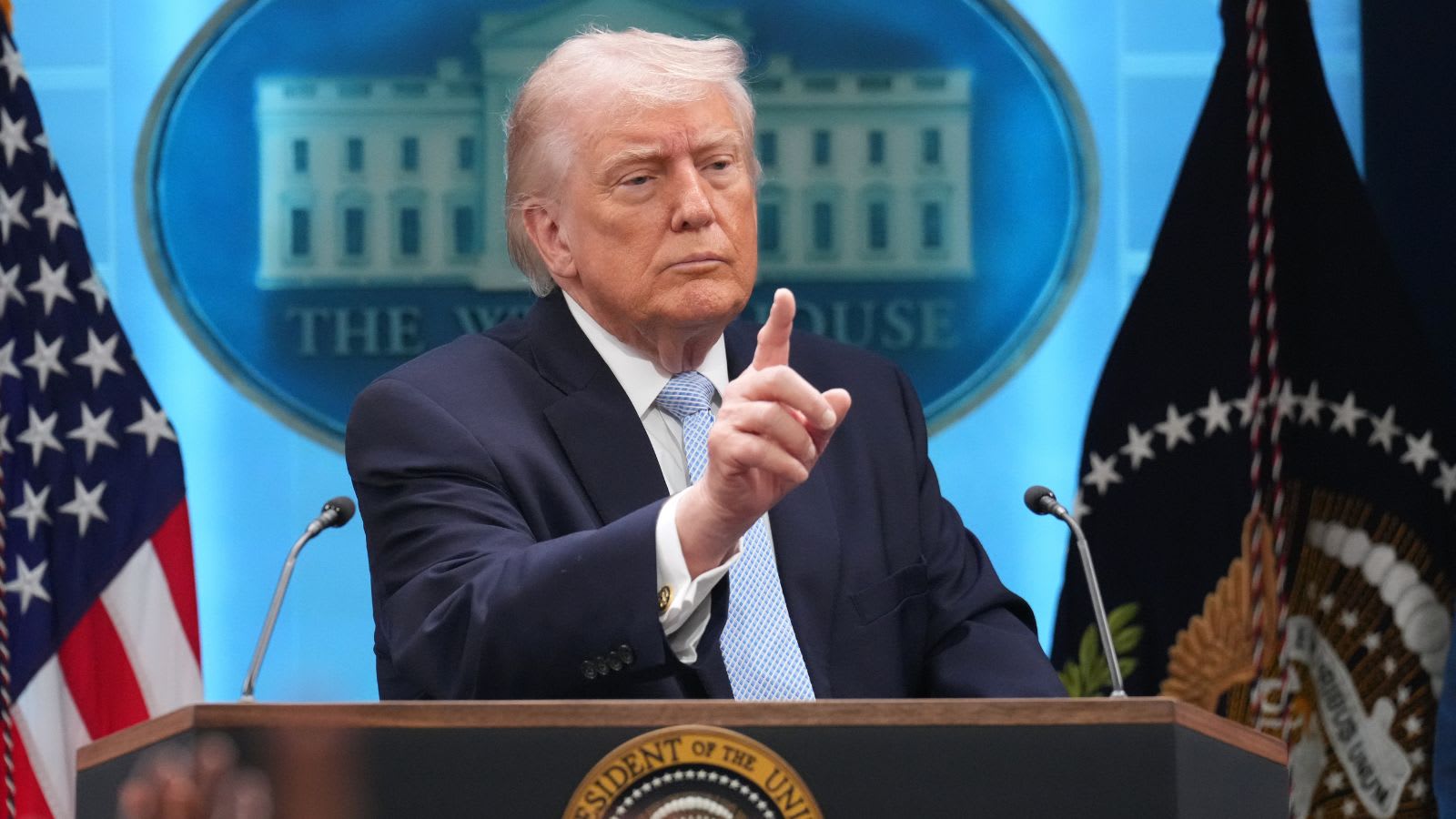
President Donald Trump has suggested the U.S. could retain a presence in Iran to control its oil reserves, drawing direct parallels to recent American involvement in Venezuela. The remarks, made during a visit to Ireland, indicate a potential shift in U.S. foreign policy toward resource-backed military engagements.
The Strategic Pivot: Linking Iranian Conflict to Resource Control
During a recent visit to Ireland, U.S. President Donald Trump articulated a potentially transformative shift in American foreign policy by suggesting that the United States might remain in Iran post-conflict to "keep the oil." This rhetoric, delivered on the sidelines of the Irish Open golf championship, frames the ongoing geopolitical tensions not merely as a security mission, but as a resource-driven endeavor. By explicitly comparing this prospect to the arrangement in Venezuela—where Washington secured access to approximately one-fifth of the nation's oil reserves—the President has signaled a pragmatic, transactional approach to military intervention.
The Venezuela Precedent as a Policy Blueprint
The administration’s justification for this stance relies heavily on the perceived success of the Venezuela model. President Trump asserted that revenue generated from the U.S. arrangement in Venezuela has "paid for the war many times." By invoking this precedent, the White House is signaling to both domestic and international audiences that long-term military or diplomatic presence in volatile regions can be self-sustaining. This logic suggests that the cost of military engagement is no longer viewed as a sunk cost, but as an investment that can be recouped through the extraction and control of vital energy commodities.
Diplomatic Hurdles and the 'Right Deal'
Despite the aggressive posturing regarding oil, the President maintained that Washington is open to a diplomatic resolution. He noted that Iran is "calling constantly" to pursue a deal, yet he emphasized that any agreement must adhere strictly to U.S. criteria. This "right deal" framing suggests that the U.S. is leveraging its military pressure and the looming threat of resource seizure to force Tehran to the negotiating table. The strategy ties the security aspirations of the Middle East directly to the economic interests of the United States, creating a high-stakes environment for regional stakeholders.
Election Timelines and Conflict Resolution
There is a distinct temporal component to the administration’s strategy, with President Trump anticipating that the conflict could reach a conclusion around the time of the November midterm elections. By linking the end of the war to this political milestone, the administration is effectively setting a deadline for both internal and external actors. This suggests that the coming months will be characterized by intense diplomatic maneuvering, as the U.S. attempts to secure favorable terms that satisfy both its security objectives and its desire for energy dominance in the region.
Broader Implications for Global Energy Markets
The intersection of military conflict and the control of oil reserves carries profound implications for global energy markets. If the U.S. successfully transitions from a combatant to a manager of Iranian oil resources, it would represent a significant shift in the global energy landscape. Such a move would likely complicate relations with other major energy producers and test the resilience of international norms regarding sovereign resources. As the situation in the Strait of Hormuz remains volatile—evidenced by recent reports of an Iranian cargo vessel being struck—the interplay between energy security and military presence will remain the defining feature of U.S.-Iran relations.
Conclusion: A New Era of Transactional Geopolitics
In conclusion, the President’s statements mark a departure from traditional foreign policy doctrines, favoring a model where military presence is directly linked to resource acquisition. Whether this strategy will lead to the promised resolution before the November elections remains to be seen. However, the explicit nature of these remarks ensures that the international community is now fully aware of the administration's intent: to potentially turn the Iranian conflict into a self-financing operation, mirroring the strategic control established in Venezuela.