US Cost Of Iran War Rises Over $47 Billion, 25% More Than Estimated
Source Entity
NDTV News Search Records Found 1000
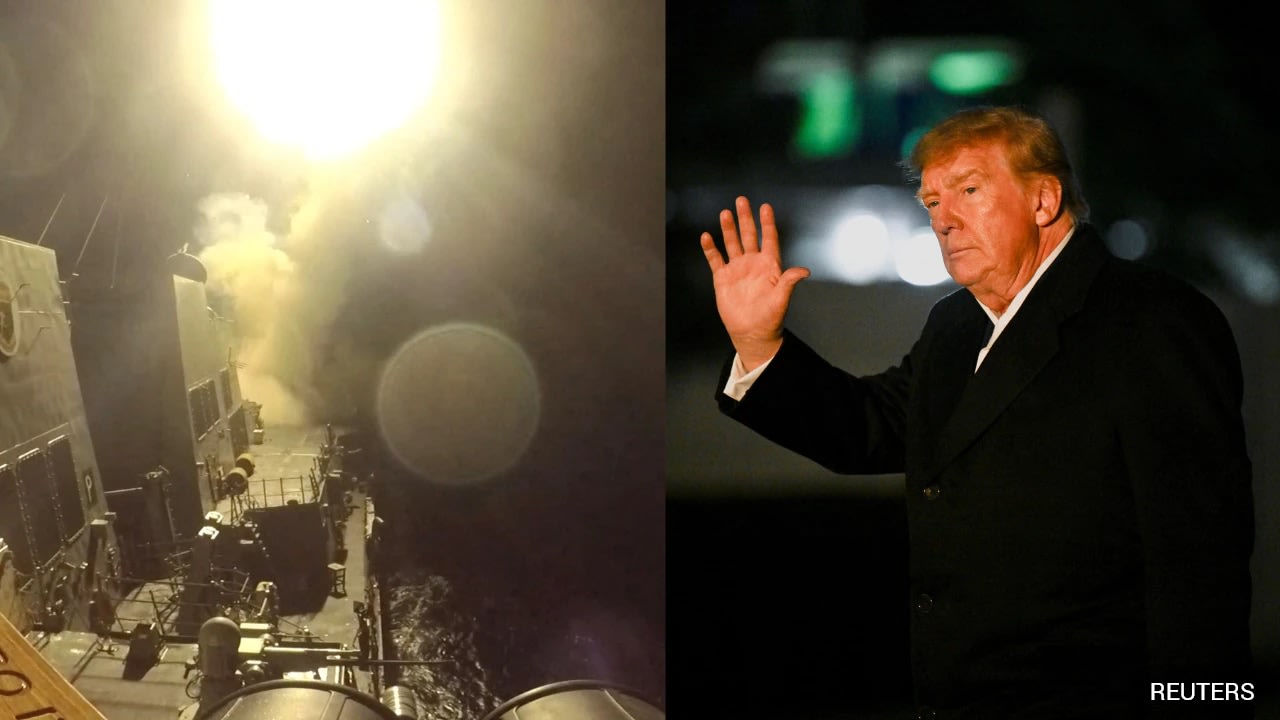
President Trump claims he can end the Iran conflict at will, contingent on ensuring Tehran remains nuclear-free. Meanwhile, the war's financial burden has surged to $47 billion, significantly impacting domestic economic sentiment ahead of the midterms.
The Iran Conflict: Strategic Ambition vs. Economic Reality
President Donald Trump has once again asserted his control over the ongoing conflict with Iran, declaring during a campaign rally in Lubbock, Texas, that the war will conclude "whenever I want it to." This bold geopolitical posturing comes at a critical juncture in his presidency, as he balances the strategic objective of preventing Iran from acquiring nuclear capabilities with the growing domestic pressures of an escalating military budget.
The Soaring Financial Toll
Recent reports have confirmed that the financial cost of the Iran conflict, which was initiated jointly with Israel in February, has ballooned to $47 billion. This figure represents a 25% increase over original projections, signaling that the kinetic engagement in the region is proving far more expensive than initially anticipated. As the conflict drags on, these costs are beginning to manifest in the American economy, contributing to broader concerns regarding inflation and fiscal sustainability.
Domestic Political Consequences
The timing of these revelations is particularly sensitive for the White House. With the U.S. midterm elections scheduled for November 3, 2026, the administration is facing significant headwinds. President Trump’s approval ratings are hovering near record lows, a trend largely attributed to rising energy costs and a general decline in affordability for the average American household. The intersection of a costly foreign war and domestic economic strain has created a challenging electoral narrative for the administration.
Security Objectives and Strategic Red Lines
Despite the economic strain, the administration remains steadfast in its stated core requirement: a "total statement" ensuring that Iran will never possess a nuclear weapon. Trump’s insistence that the war must end "properly" suggests that the U.S. is not prepared to withdraw until it secures a binding, verifiable guarantee regarding Iran's nuclear program. This sets a high bar for a diplomatic or military exit strategy, as the administration seeks to avoid a premature departure that could leave regional security compromised.
Future Trends and Outlook
As the midterms approach, the administration faces a dual-front challenge: maintaining the military coalition with Israel to pressure Tehran while mitigating the economic fallout of the conflict at home. The trajectory of this war will likely be dictated by whether the administration can achieve a decisive, victory-focused outcome before the financial costs further erode public support. If the $47 billion price tag continues to climb, the pressure to find a diplomatic off-ramp that satisfies the non-proliferation requirement will likely intensify, fundamentally reshaping the administration's foreign policy legacy.
Verification Required?