Rubio says Trump wants to end Iran war 'peacefully' even as both sides prepare for strikes
Source Entity
US Top News and Analysis
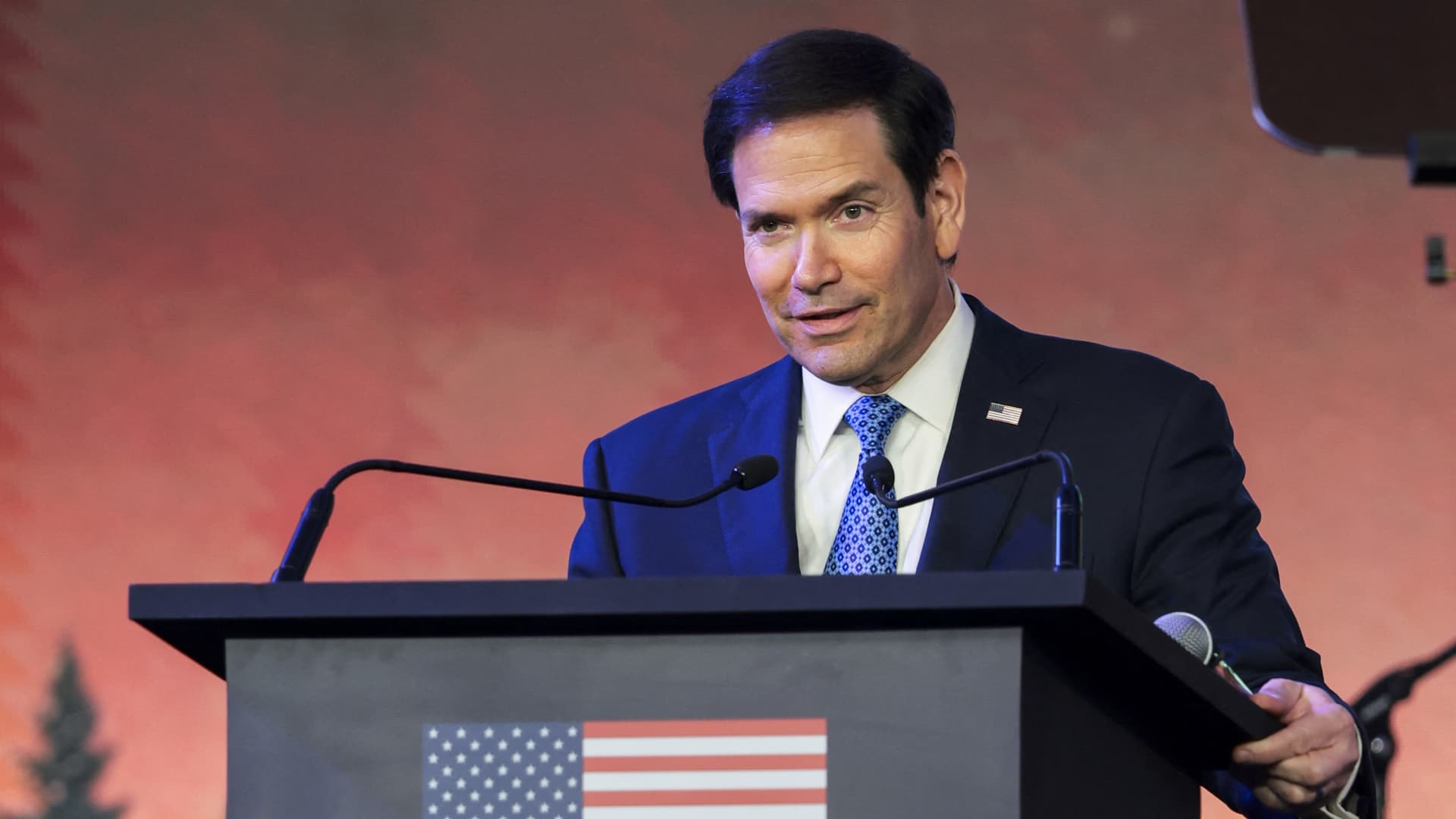
President Trump and Prime Minister Netanyahu are debating the path forward with Iran, balancing potential military action against ongoing diplomatic efforts. While Netanyahu pushes for immediate strikes post-midterms, the administration maintains a preference for a peaceful resolution.
The Iran-US-Israel Strategic Triad: A Post-Election Crossroads
Recent reports indicate a complex and high-stakes diplomatic and military dialogue between U.S. President Donald Trump and Israeli Prime Minister Benjamin Netanyahu. Following a recent 'tough' phone call, the core of the tension centers on the appropriate response to Iran’s regional activities and nuclear program. While Netanyahu has reportedly pushed for immediate, intensified military action against Iran following the U.S. midterm elections, the Trump administration has signaled a preference for maintaining diplomatic channels, albeit while keeping military contingencies fully prepared.
Divergent Strategies and Regional Pressures
The fundamental friction between Washington and Jerusalem appears to be a matter of timing and methodology. Netanyahu’s insistence on a more kinetic approach reflects Israel’s long-standing security concerns regarding Iran’s nuclear infrastructure. Conversely, Secretary of State Marco Rubio has publicly reiterated that President Trump prefers a peaceful resolution to the current conflict. This duality—preparing for the potential of military success while simultaneously pursuing diplomatic avenues—underscores the volatility of the region as the midterm cycle concludes.
The Role of Mediators and Diplomatic Channels
Despite the rhetoric of military readiness, diplomatic efforts remain active. The administration is reportedly utilizing various channels, including correspondence from the Vice President to Iran’s national security chief, to prevent a total collapse of communication. Furthermore, the involvement of intermediaries like Qatar suggests that the U.S. is seeking to manage the escalation through multiple layers of engagement, attempting to weigh the necessity of deterrence against the catastrophic risks of a full-scale regional war.
The 'Nuclear Strike' Narrative and Information Warfare
Amid these high-level discussions, speculative claims—such as those popularized by commentators regarding potential strikes on specific Iranian sites like 'Pickaxe Mountain'—have intensified the climate of uncertainty. While these claims have not been officially confirmed by state actors, they reflect the extreme pressure being exerted on the administration. Such narratives contribute to a volatile information environment where the distinction between tactical planning and public posturing becomes increasingly blurred.
Future Trends and Regional Stability
The period immediately following the U.S. midterm elections will likely serve as a pivot point for U.S. foreign policy in the Middle East. If diplomatic efforts fail to yield concessions from Tehran, the administration will face intensified domestic and international pressure to shift toward the military options that President Trump has claimed are fully prepared. Ultimately, the outcome of this standoff will depend on whether the U.S. can effectively leverage its military readiness to force a diplomatic breakthrough, or if the current regional tensions will compel a move toward direct confrontation.