'F-35 Criticism, Bogus Kill Plot Intel': Why Trump Is 'Pissed' At Netanyahu
Source Entity
NDTV News Search Records Found 1000
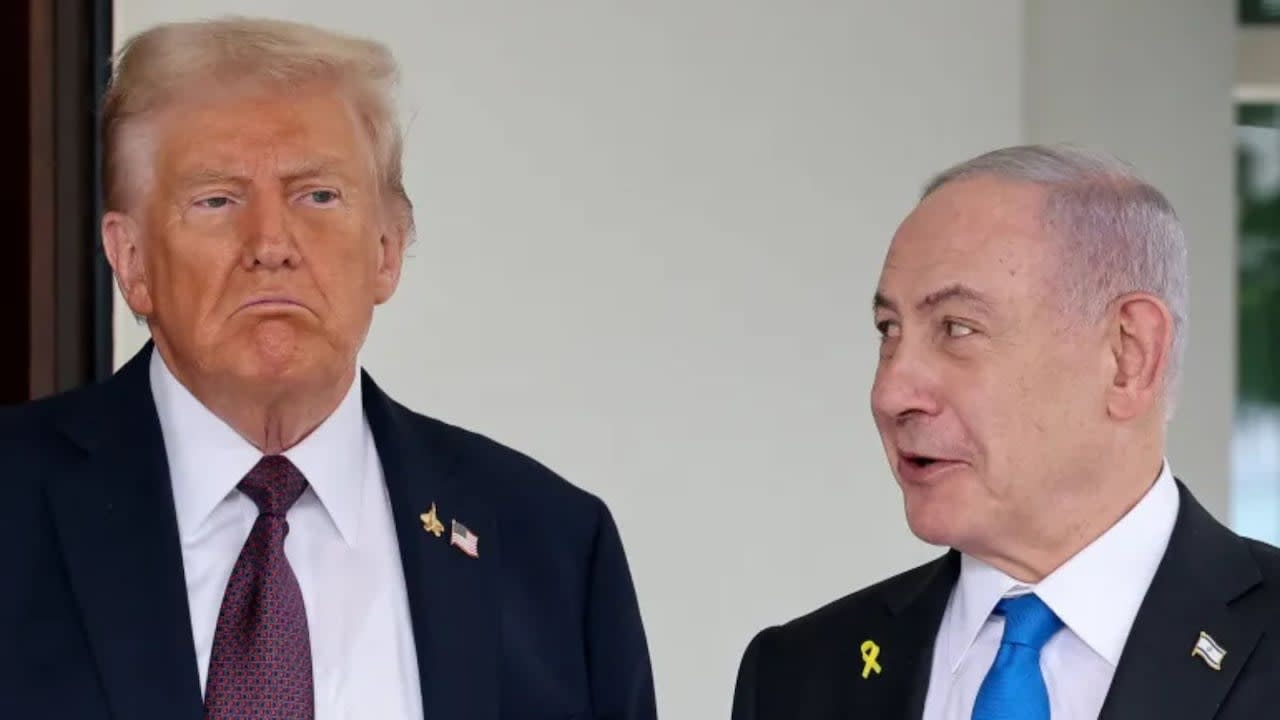
Tensions between Donald Trump and Benjamin Netanyahu have surfaced following reports of unconfirmed meeting requests. The friction reportedly stems from disagreements over F-35 fighter jet procurement and intelligence handling.
Diplomatic Friction: Trump-Netanyahu Relations Under Scrutiny
Recent reports indicate a cooling of relations between former U.S. President Donald Trump and Israeli Prime Minister Benjamin Netanyahu. The core of this diplomatic strain appears to center on unconfirmed meeting requests that were reportedly sidelined by the White House, signaling a departure from the previously close alignment between the two leaders during the Trump administration.
The F-35 Procurement Controversy
At the heart of the reported dissatisfaction are specific policy disagreements, most notably regarding the F-35 Joint Strike Fighter program. The F-35 represents the pinnacle of U.S. aerospace technology, and its export to regional allies has always been a subject of intense scrutiny to maintain Israel's Qualitative Military Edge (QME). Any perceived criticism or hesitation from Trump regarding these defense assets suggests a shift in the transactional nature of the U.S.-Israel security relationship.
Intelligence and Security Protocols
Beyond hardware, the tension is exacerbated by alleged disputes over intelligence handling, specifically regarding a 'bogus kill plot.' The integrity of intelligence sharing is the bedrock of the U.S.-Israel alliance. When high-level officials express frustration over the validity or management of such sensitive information, it creates a trust deficit that is difficult to bridge, potentially impacting future cooperation on regional security threats.
The Impact of Unconfirmed Meetings
The fact that meeting requests from the Israeli Prime Minister remained unconfirmed by White House officials is a significant diplomatic signal. In international relations, the granting or withholding of a meeting is a powerful tool of statecraft. By not confirming these sessions, the administration effectively creates public distance, forcing leaders to navigate domestic political pressures without the optics of a high-level endorsement.
Broader Geopolitical Implications
This development suggests a complex recalibration of Middle Eastern alliances. As regional dynamics shift, the personal rapport between leaders often dictates the speed and efficiency of policy implementation. If the friction between Trump and Netanyahu persists, it may embolden regional rivals and complicate the strategic objectives of both nations, particularly regarding defense procurement and intelligence operations.
Conclusion: A Relationship in Flux
Ultimately, the current state of affairs between Trump and Netanyahu reflects a broader trend of shifting political tides. While the two figures were once seen as inseparable partners, the emergence of disagreements over military assets like the F-35 and intelligence protocols suggests that even the most robust alliances are subject to volatility. Future trends will likely depend on whether both parties can reconcile these differences or if the current cooling period signals a more permanent realignment.
Verification Required?