Opinion: Opinion | Trump May Like Pak's Generals. But His Bureaucrats Have Other Ideas
Source Entity
NDTV News Search Records Found 1000
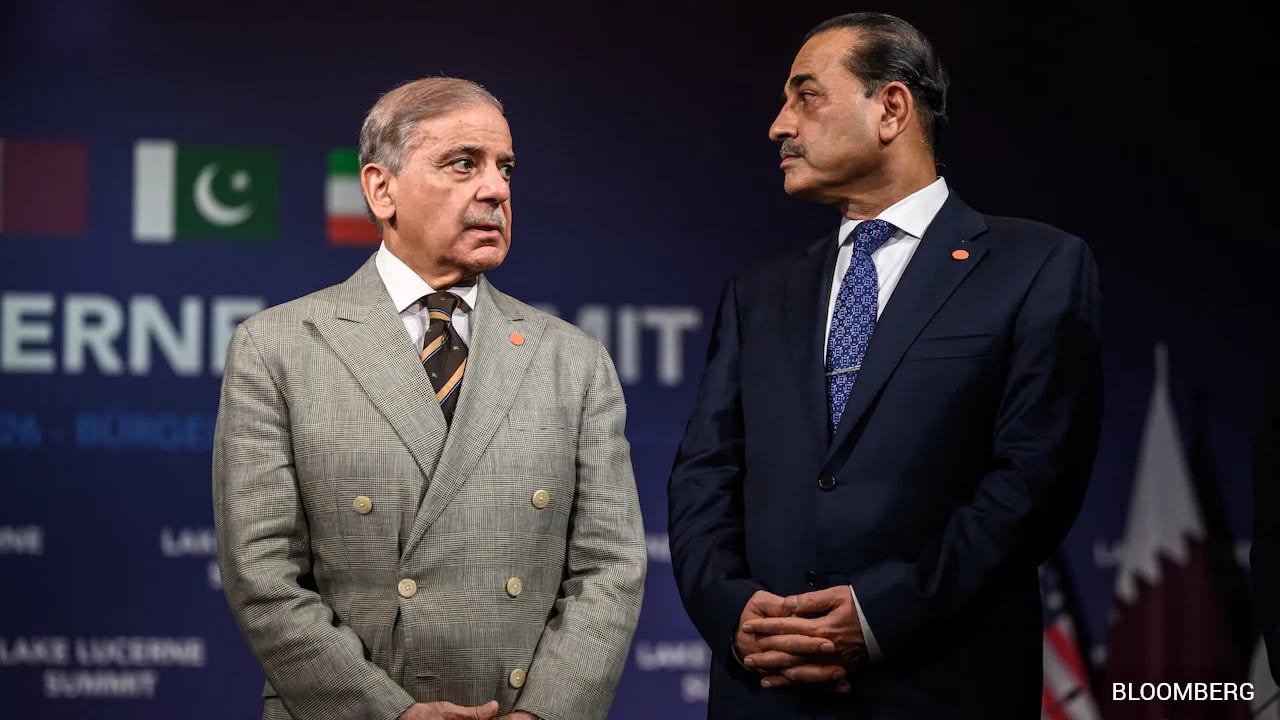
While political leaders may favor specific international alliances, the permanent bureaucracy in Washington often maintains a more cautious and policy-driven approach. This creates a recurring tension between executive-level foreign policy shifts and the established institutional stance of the U.S. government.
The Duality of U.S. Foreign Policy
The distinction between 'political Washington' and 'official Washington' represents one of the most critical dynamics in American foreign policy. Political Washington, often driven by the executive branch's personal priorities and electoral considerations, can advocate for rapid shifts in diplomatic relations, such as potentially warmer ties with Pakistan's military leadership. In contrast, official Washington—comprised of the career civil service, the State Department, the intelligence community, and the Pentagon—operates on long-term strategic frameworks that are less susceptible to individual presidential whims.
The Institutional Resistance to Sudden Shifts
When political figures signal a desire to pivot toward specific international partners like Pakistan’s military establishment, they often encounter systemic friction. The permanent bureaucracy is tasked with maintaining consistency in foreign policy, ensuring that individual relationships do not undermine broader national security objectives or regional stability. This institutional memory acts as a ballast, preventing the U.S. from making impulsive diplomatic concessions that could alienate other strategic allies or violate long-standing non-proliferation and human rights commitments.
Historical Precedents and Policy Continuity
Historically, the U.S.-Pakistan relationship has been defined by this exact tension. While various administrations have attempted to leverage personal rapport with Pakistani generals to secure counter-terrorism or geopolitical cooperation, the underlying policy framework—shaped by career bureaucrats—often remains focused on institutional accountability. This ensures that even when a president expresses optimism about a foreign military leader, the actual execution of policy remains tempered by rigorous bureaucratic oversight and legislative requirements.
The Impact on Geopolitical Strategy
This divergence in perspective creates a complex environment for international stakeholders. Foreign governments must navigate not only the desires of the White House but also the technical and legal requirements enforced by the administrative state. Because career officials prioritize institutional stability, they are more likely to insist on measurable metrics and strict conditionality, which can clash with a president's preference for broad, personality-driven diplomacy.
Future Implications for Global Relations
As the landscape of global power shifts, the tension between political desire and bureaucratic pragmatism will likely intensify. Future administrations will continue to face the reality that while they hold the power to set the tone of foreign policy, the implementation is firmly in the hands of a bureaucracy that values institutional continuity over transient political alliances. Understanding this divide is essential for anyone analyzing how the United States manages its most complicated international partnerships.
Verification Required?