As Trump rejects Iran peace proposal, what does each side want?
Source Entity
Bashir Ali Abbas
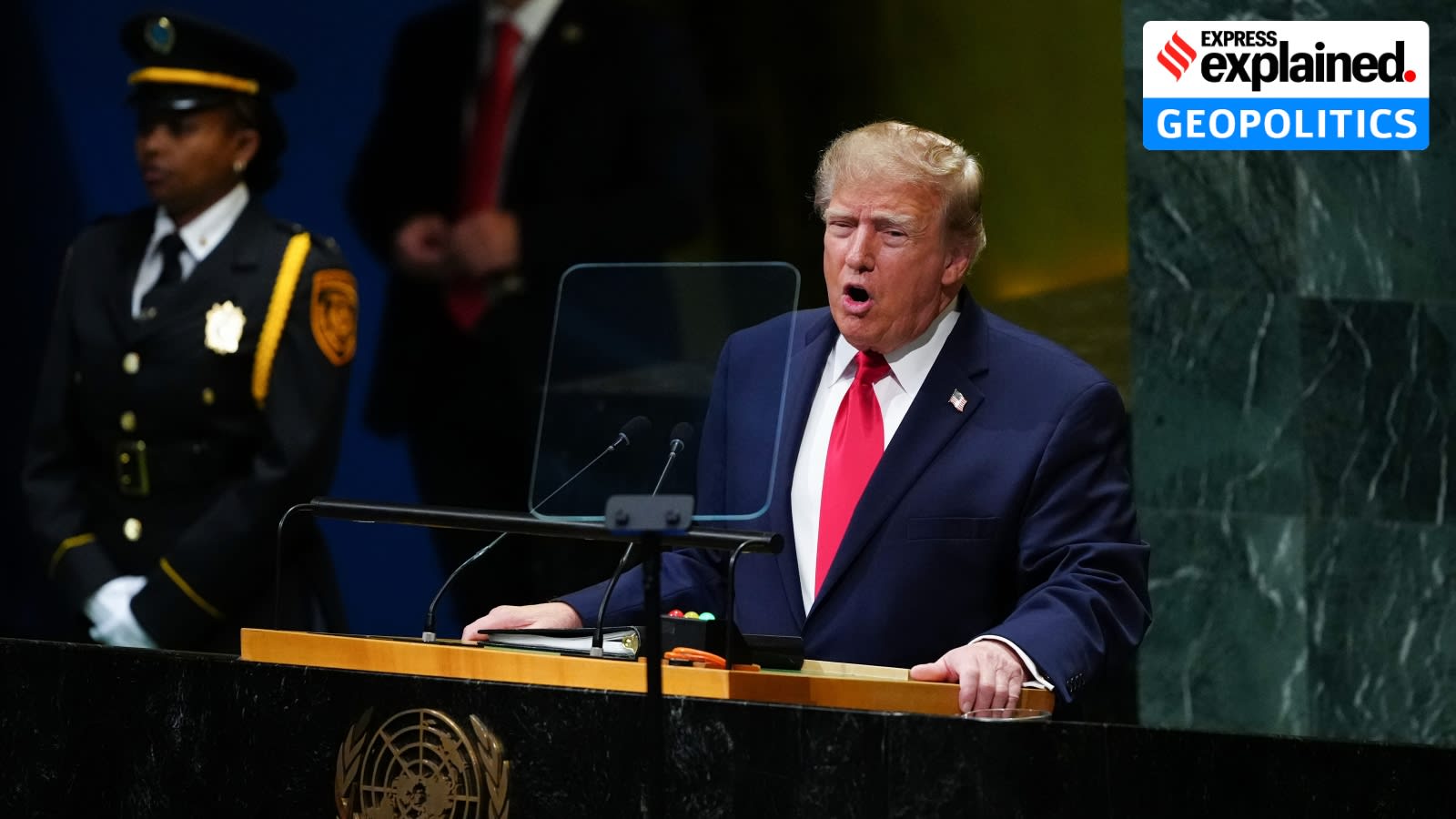
US President Donald Trump has officially rejected a seven-day peace proposal from Iran aimed at ending regional hostilities and reopening the Strait of Hormuz. Iranian Foreign Minister Abbas Araghchi maintains that a diplomatic solution remains the only path forward, despite the current stalemate.
The Collapse of the Seven-Day Roadmap
Recent diplomatic maneuvering at the United Nations General Assembly has reached a critical impasse after US President Donald Trump formally rejected a seven-day peace proposal submitted by Iran. The initiative, presented by Iranian Foreign Minister Abbas Araghchi, sought to establish a structured framework to de-escalate tensions, halt regional fighting, and normalize the flow of maritime traffic through the strategically vital Strait of Hormuz. By declining this offer, the Trump administration has effectively signaled that the current conditions for engagement remain unacceptable under existing US foreign policy objectives.
Core Demands and Strategic Stakes
The proposed roadmap, which was communicated to Washington via Qatari mediators, was predicated on a series of significant concessions. Iran’s conditions included the waiver of US sanctions on Iranian oil, the release of approximately $12 billion in frozen assets, and the cessation of military operations in Lebanon. In exchange, Tehran offered a seven-day timeline that would culminate in the reopening of the Strait of Hormuz—a global maritime chokepoint—and the initiation of broader, comprehensive talks regarding Iran’s nuclear program. This proposal highlights the stark gap between the two nations' strategic priorities: Iran seeks immediate economic relief and regional recognition, while the US remains focused on leverage and containment.
The Strait of Hormuz: A Global Economic Flashpoint
The Strait of Hormuz serves as the world’s most important oil transit chokepoint, with a significant portion of global petroleum consumption passing through its narrow waters daily. The Iranian threat to restrict or close this waterway acts as a powerful, albeit volatile, instrument of geopolitical pressure. By tying the reopening of this strait to the lifting of sanctions and the release of assets, Iran is attempting to force a fundamental change in the US 'maximum pressure' strategy. The US rejection suggests that Washington is currently unwilling to exchange the leverage provided by its sanctions regime for a temporary reprieve in maritime security.
Diplomatic Deadlock and Future Outlook
Despite the blunt rejection from President Trump, Iranian officials, including Foreign Minister Araghchi, continue to insist that a negotiated solution is the only viable exit from the current deadlock. The reliance on Qatari intermediaries underscores the lack of direct communication channels between Washington and Tehran, further complicating the potential for genuine de-escalation. Iran’s assertion that it is awaiting a more formal or definitive response suggests that Tehran may be willing to keep the diplomatic window slightly ajar, even as the threat of further military escalation looms large.
Assessing the Broader Implications
This rejection marks a hardening of positions that threatens to prolong the current regional instability. For the international community, the failure to secure a breakthrough at the UNGA indicates that the conflict is entering a more entrenched phase. As Iran signals that its conditions remain non-negotiable and the US confirms its refusal to engage on these specific terms, the prospect of a prolonged military and economic standoff becomes increasingly likely. Future developments will depend on whether either side can find a face-saving mechanism to resume talks or if the current cycle of rejection and defiance will lead to a further deterioration of regional security.
Multiple Citing Sources