'Biggest deal in history': Trump says US secured 65 billion barrels of Venezuelan oil
Source Entity
Latest News: Todays Latest News Headlines from India & World | Hindustan Times | Hindustan Times
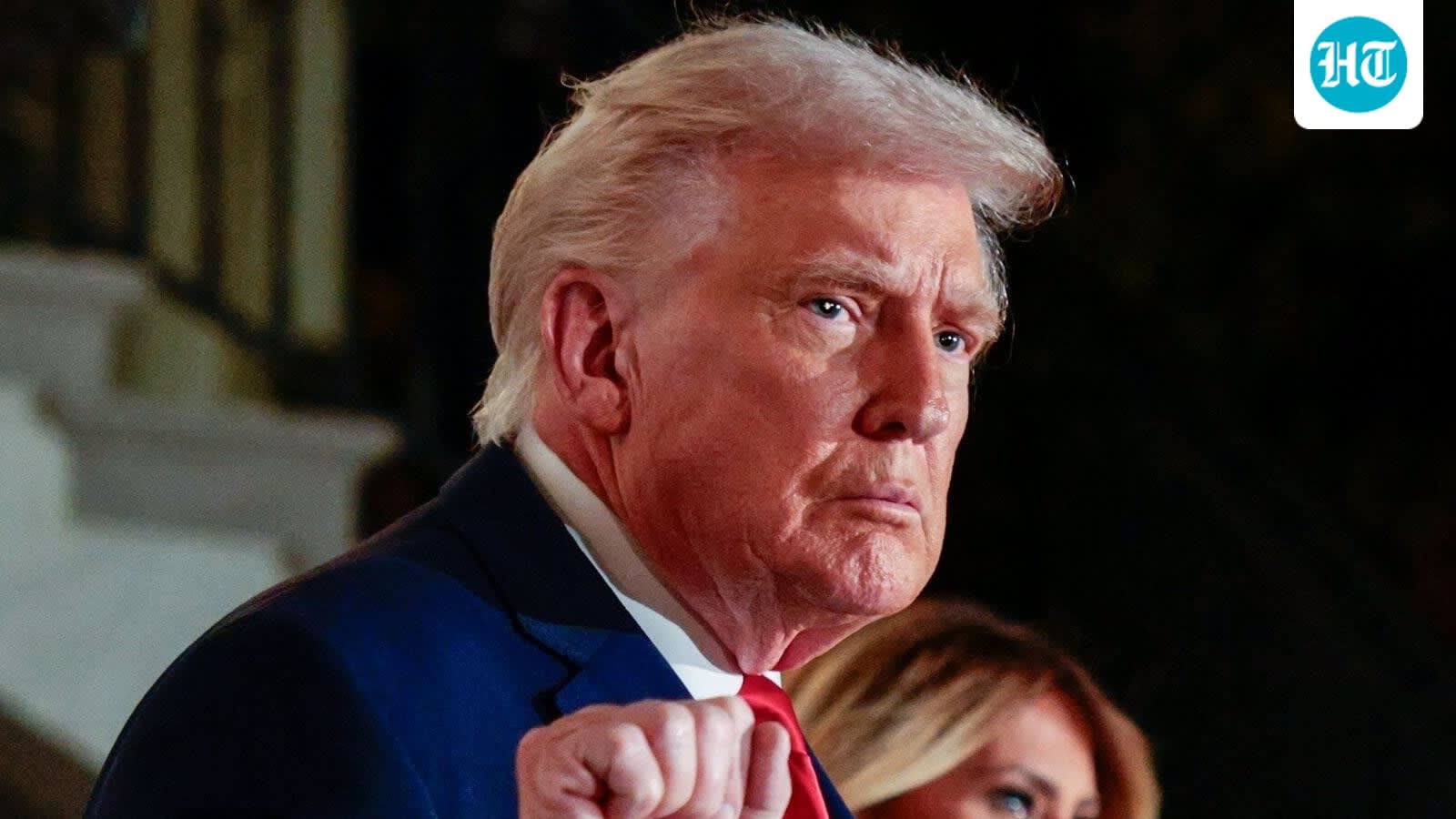
President Trump has announced a major agreement securing majority control over 65 billion barrels of Venezuelan oil reserves. The move, negotiated by Secretary of State Marco Rubio and Secretary of War Pete Hegseth, has sparked significant international criticism regarding its constitutionality and predatory nature.
The Geopolitical Shift: U.S. Secures Venezuelan Oil Reserves
President Donald Trump has announced a landmark agreement that grants the United States majority control over more than 65 billion barrels of Venezuela’s crude oil reserves. This development, which the administration has characterized as the "biggest oil deal in world history," follows a series of volatile interventions in South America, including the January removal of former leader Nicolás Maduro. The deal, negotiated by Secretary of State Marco Rubio and Secretary of War Pete Hegseth, aims to bolster U.S. energy security amidst a global climate defined by heightened conflict and supply chain instability.
Strategic Context and Energy Independence
The acquisition arrives at a critical juncture for U.S. energy policy. Recent Department of Energy data revealed that volumes in the Strategic Petroleum Reserve had plummeted to levels not observed since the 1980s. By securing majority stakes in over a dozen oilfields, the administration is effectively doubling the nation's accessible oil reserves. This move is presented as a strategic countermeasure to the ongoing war with Iran and the resulting disruptions to the global crude trade, particularly concerning the stability of the Strait of Hormuz.
The Mechanics of the Agreement
According to official statements, the arrangement was reached in partnership with private industry and was designed to be executed at no direct cost to American taxpayers. The deal involves direct negotiations with Venezuela’s interim president, Delcy Rodriguez. By shifting control of these vast assets—which represent a significant portion of Venezuela’s world-leading 303 billion barrels of proven reserves—the United States is seeking to solidify its influence over global energy markets while simultaneously curbing the power of rival oil-producing nations.
Domestic and International Backlash
Despite the administration’s framing of the deal as a masterstroke of diplomacy and energy security, the announcement has triggered immediate and fierce opposition. Critics have labeled the move as "predatory" and "unconstitutional," raising significant questions about the long-term legal ramifications of the U.S. effectively seizing control of a sovereign nation's primary resource wealth. The optics of this intervention have drawn comparisons to historical instances of resource-driven foreign policy, fueling debates about the ethics of the current administration's approach to the region.
Broader Foreign Policy Implications
The deal does not exist in a vacuum; it is part of a broader, more aggressive foreign policy doctrine. The administration is currently juggling multiple international crises, including a fragile ceasefire in Gaza and escalating tensions with Iran. The decision to prioritize control over Venezuelan energy reserves suggests that the U.S. is moving toward a more interventionist posture in the Western Hemisphere, prioritizing domestic resource security over the traditional diplomatic norms that have governed international relations for decades.
Future Trends and Conclusion
Looking ahead, the success of this agreement will likely depend on the stability of the current Venezuelan leadership and the administration's ability to extract and transport these resources amidst ongoing global conflicts. If the deal holds, it could drastically alter the price of oil and the geopolitical leverage of the United States. However, the controversy surrounding the "unconstitutional" nature of the seizure suggests that the administration will face protracted legal and diplomatic challenges. The world now watches to see if this massive shift in resource control will lead to the promised energy security or further destabilize an already volatile international landscape.
Multiple Citing Sources
Verification Required?