'US not piggybank for Europe': Trump to impose tariffs on EU for fining Google
Source Entity
TOI BUSINESS DESK
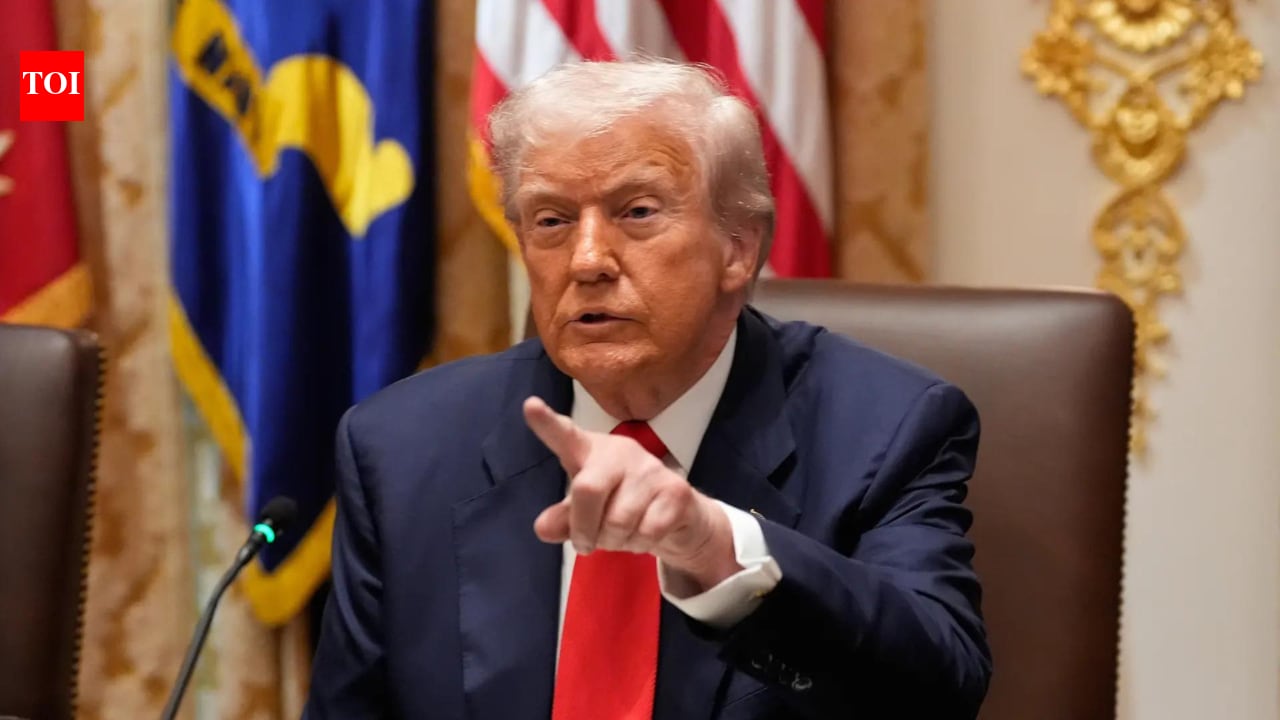
President Donald Trump has threatened the European Union with retaliatory tariffs and a formal investigation following significant antitrust fines levied against US tech giants. Trump labeled the EU's actions against companies like Google, Apple, Meta, and Amazon as discriminatory and vowed to force a reversal of these penalties.
Escalating Trade Tensions: Trump Targets EU Antitrust Fines
President Donald Trump has initiated a significant geopolitical confrontation by threatening to impose retaliatory tariffs on the European Union. This move follows a series of substantial antitrust fines levied by Brussels against major American technology corporations, including Google, Apple, Meta, and Amazon. By characterizing the EU’s regulatory actions as a form of economic exploitation, the President has signaled a shift toward a more aggressive, protectionist stance regarding US corporate interests abroad.
The 'Piggybank' Rhetoric and Economic Sovereignty
Central to the President’s argument is the assertion that the United States is being treated as a "piggybank" by European regulators. Trump claims that the EU has unfairly targeted US firms, specifically citing over $18 billion in fines against Google, $15 billion against Apple, and $3 billion against Meta. By framing these antitrust penalties as "illegal and highly unethical conduct," the administration is attempting to redefine standard regulatory enforcement as an act of international economic aggression, setting the stage for a potential trade war.
The Catalyst: The Google Antitrust Case
The immediate trigger for this escalation is the European Commission's recent decision to fine Google approximately €890 million ($1 billion) for anti-competitive practices. The EU alleges that Google leveraged its market dominance to squeeze out competitors, a recurring theme in Brussels' oversight of the tech sector. Trump’s reaction—vowing that the EU will pay a "very big price" and demanding that these fines be "entirely reversed"—highlights a fundamental clash between the EU's regulatory philosophy and the US administration’s "America First" trade policy.
Implications for Transatlantic Relations
This threat of tariffs marks a volatile period for transatlantic relations. For years, the EU has positioned itself as the global leader in digital regulation, utilizing the Digital Markets Act and other antitrust frameworks to curb the power of Big Tech. If the US proceeds with a formal trade investigation and subsequent tariffs, it could lead to a retaliatory cycle that impacts sectors far beyond technology, potentially destabilizing the broader trade alliance between Washington and Brussels.
Future Trends in Digital Trade Policy
Looking ahead, this conflict suggests that digital policy will increasingly become a battleground for national security and economic sovereignty. As the US moves to protect its largest companies from foreign regulatory oversight, the global landscape for tech governance will likely become more fragmented. We can expect further volatility in international trade negotiations as the administration seeks to utilize the threat of tariffs as a primary lever to force policy concessions from European authorities regarding the treatment of American digital assets.
Multiple Citing Sources