Trump threatens to 'decimate' Iran if it tries to kill him, as Treasury sanctions alleged Iranian financier
Source Entity
US Top News and Analysis
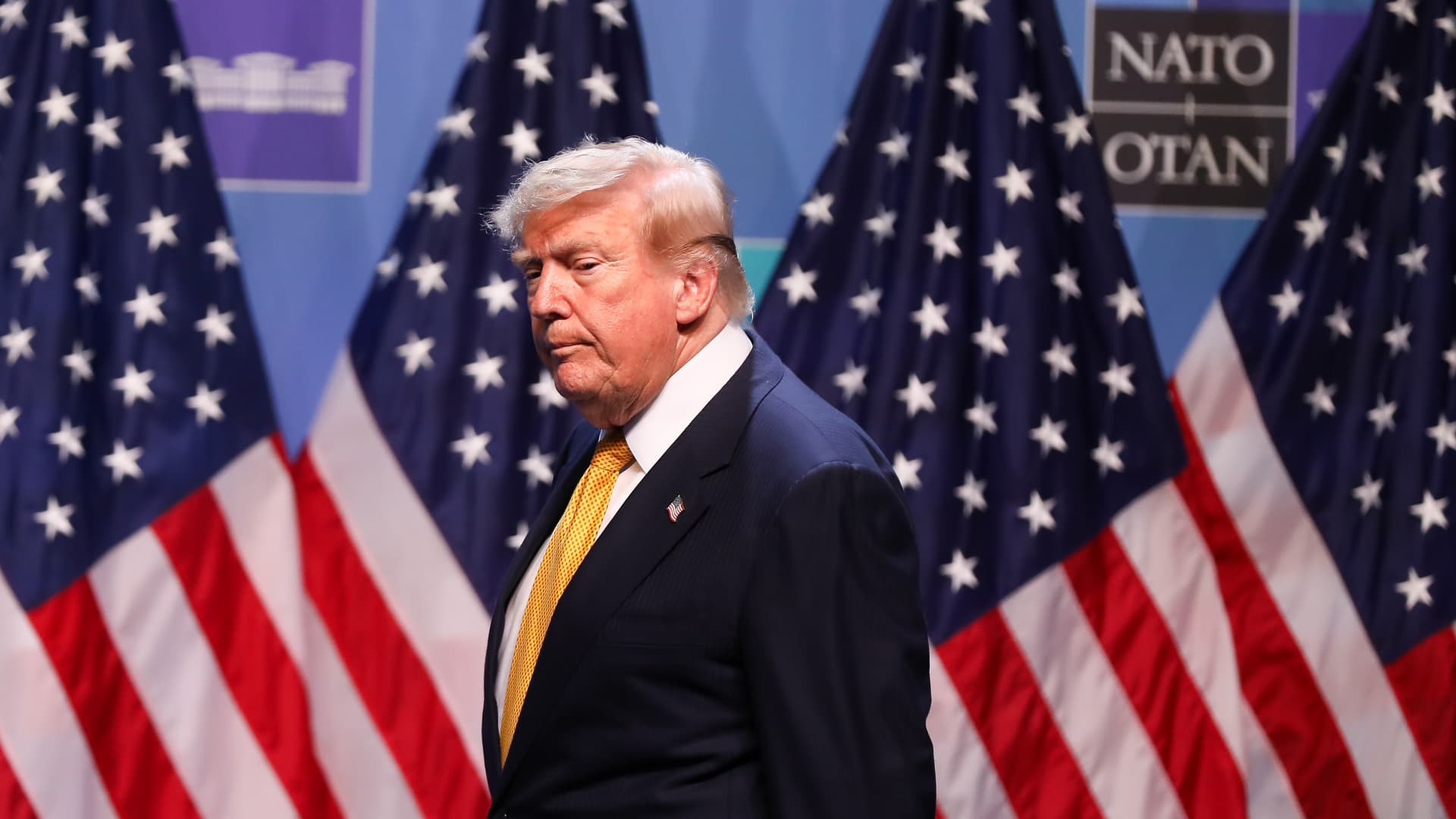
Trump says 1,000 missiles are "locked and loaded" and will hit Iran if it carries out its threats to assassinate the U.S. president.
Escalation of Tensions: Trump's Missile Threat to Iran
In a stark demonstration of the volatile relationship between the United States and the Islamic Republic of Iran, Donald Trump has issued a direct and severe warning, threatening to "decimate" Iran should the nation attempt to carry out assassination plots against him. The claim that 1,000 missiles are "locked and loaded" represents a high-water mark in rhetorical escalation, signaling a readiness for immediate military action. This threat does not exist in a vacuum but is paired with concrete economic measures, as the U.S. Treasury has simultaneously imposed sanctions on an alleged Iranian financier, illustrating a dual-track strategy of military deterrence and economic warfare.
The Rhetoric of Deterrence and Military Posturing
The use of phrases like "decimate" and "locked and loaded" is characteristic of a deterrence strategy based on unpredictability and overwhelming force. By quantifying the threat—specifically mentioning 1,000 missiles—Trump aims to project an image of absolute readiness and operational capability. From a strategic standpoint, this is intended to raise the cost of any potential Iranian aggression to an unacceptable level. However, such explicit threats can also be interpreted as provocative, potentially narrowing the window for diplomatic resolution and increasing the risk of a miscalculation by either party in a highly charged environment.
Financial Warfare as a Strategic Tool
Parallel to the military threats, the Treasury Department's decision to sanction an alleged Iranian financier highlights the ongoing U.S. policy of "Maximum Pressure." By targeting the financial conduits that support the Iranian government or its proxies, the U.S. seeks to starve the regime of the resources necessary to fund its foreign operations and internal security. These sanctions are designed to isolate Iran from the global financial system, creating internal economic pressure that the U.S. hopes will force Tehran to alter its behavior regarding nuclear proliferation and regional destabilization.
Historical Context and Geopolitical Friction
This confrontation is rooted in decades of mutual distrust and specific flashpoints during Trump's tenure, including the U.S. withdrawal from the Joint Comprehensive Plan of Action (JCPOA) and the 2020 assassination of General Qasem Soleimani. The current threats of "decimation" are a continuation of this pattern of aggression and response. The historical trajectory shows a shift from the tentative diplomacy of the mid-2010s to a period of direct confrontation, where personal threats between leaders have become a proxy for broader national security disputes.
Broader Implications for Regional Stability
The implications of such high-stakes rhetoric extend far beyond the two nations involved. Middle Eastern allies and adversaries alike must navigate this instability, as a direct conflict between the U.S. and Iran could destabilize global oil markets and ignite wider regional conflicts involving proxy forces in Iraq, Syria, and Yemen. The threat of a massive missile strike creates a climate of anxiety in the Persian Gulf, forcing regional powers to either hedge their bets or accelerate their own military preparations, thereby fueling a regional arms race.
Conclusion: Future Trends in US-Iran Relations
Looking forward, the cycle of threats and sanctions suggests that the relationship between the U.S. and Iran will remain characterized by extreme friction. While the "locked and loaded" rhetoric serves as a short-term deterrent, the long-term stability of the region depends on whether these pressures lead to a negotiated settlement or a catastrophic military encounter. The integration of financial sanctions with overt military threats indicates that the U.S. will continue to utilize every tool in its arsenal to constrain Iranian influence, ensuring that the tension remains a central pillar of global geopolitical instability.