'Next comes bridges, power plants': Trump says US strikes on Iran to escalate in 3 days
Source Entity
TOI WORLD DESK
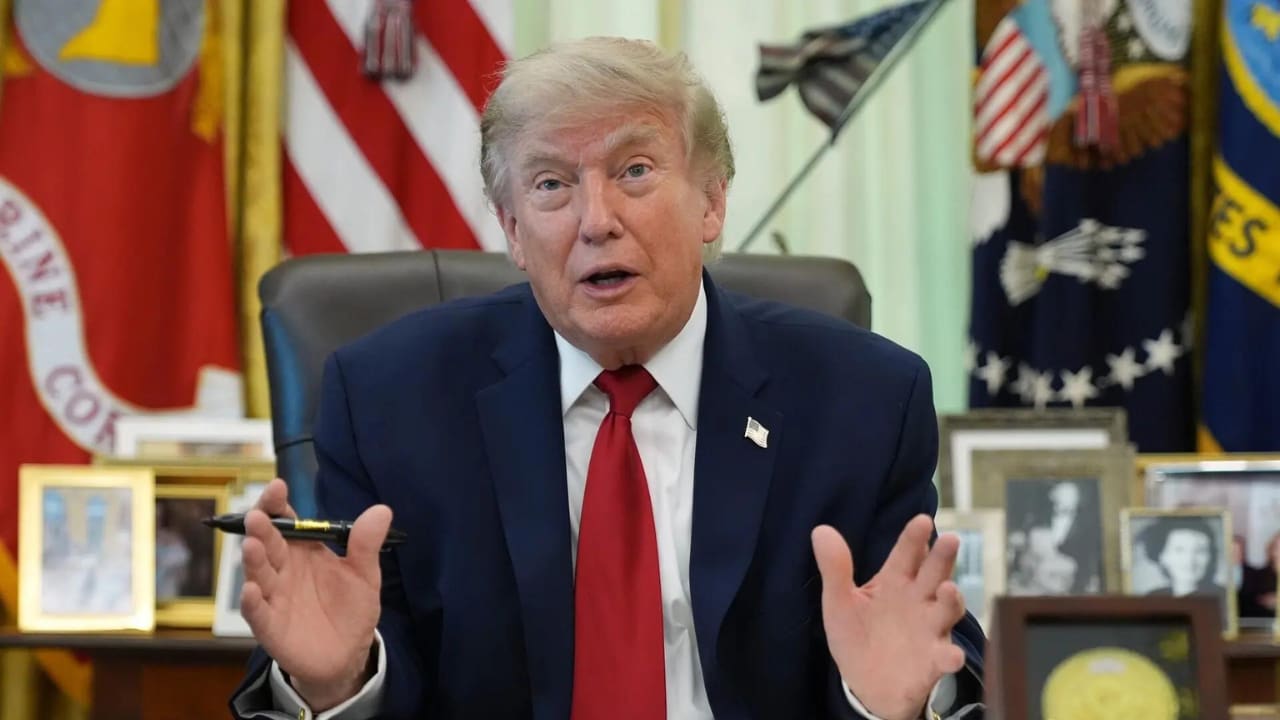
President Trump has announced an imminent escalation of US military operations against Iran, threatening to target critical infrastructure including power plants and bridges within three days if negotiations are not reached, following current strikes on air defense systems.
Escalation in the Persian Gulf: The US-Iran Military Standoff
The geopolitical tension between the United States and Iran has reached a critical flashpoint, as President Trump has signaled a rapid escalation of military operations. The current strategy, which has focused on degrading Iranian air defense systems, is poised to shift toward high-value infrastructure targets. This development suggests a transition from a tactical containment strategy to a broader campaign of economic and structural attrition, aimed at forcing the Iranian leadership to the negotiating table through the threat of systemic collapse.
Strategic Targeting of Critical Infrastructure
The warning that "bridges and power plants" are the next targets represents a significant shift in the rules of engagement. By targeting power grids and transportation hubs, the US is moving beyond purely military objectives to target the functional capacity of the Iranian state. Historically, strikes on power infrastructure are designed to create internal instability and exert maximum pressure on the civilian population and government operations. This approach aims to diminish Iran's ability to mobilize resources and sustain a prolonged military conflict, effectively utilizing "dual-use" targets to leverage political concessions.
The Nuclear Dimension and Intelligence Monitoring
Central to this escalation is the US focus on a "deeply buried site" suspected of housing nuclear capabilities. The monitoring of such facilities indicates that the US is not merely responding to regional proxy attacks but is actively seeking to neutralize Iran's long-term strategic capabilities. The pursuit of nuclear containment has been a cornerstone of US policy in the Middle East for decades. By maintaining strict surveillance on these hardened sites, Washington is positioning itself to execute precision strikes that could cripple Iran's nuclear ambitions should the diplomatic window close.
The Cycle of Retaliation and Regional Stability
The current conflict is characterized by a dangerous cycle of retaliation, with Iran continuing to launch attacks on US military bases in the region. This "tit-for-tat" dynamic increases the risk of a miscalculation that could lead to a full-scale regional war. The US strategy of striking air defenses first is a calculated move to ensure air superiority before launching the threatened strikes on infrastructure. However, the resilience of Iranian retaliatory capabilities suggests that any escalation will likely be met with asymmetric responses, potentially impacting global energy markets and the security of allied nations in the Gulf.
Brinkmanship as a Diplomatic Tool
The three-day ultimatum issued by President Trump is a classic example of geopolitical brinkmanship. By setting a hard deadline and specifying the targets, the US is attempting to create a psychological environment of urgency for the Iranian government. The goal is to make the cost of non-negotiation higher than the cost of diplomatic compromise. This high-stakes gamble relies on the assumption that the Iranian leadership perceives the threat to its infrastructure as an existential risk to the regime's stability.
Future Projections and Geopolitical Fallout
Looking forward, the next 72 hours will be decisive for the stability of the Middle East. If negotiations fail and the US proceeds with strikes on power plants and bridges, the region could see an unprecedented surge in oil price volatility and a breakdown of remaining diplomatic channels. Conversely, if this pressure leads to a breakthrough, it may establish a new precedent for "maximum pressure" diplomacy. Regardless of the immediate outcome, the focus on buried nuclear sites suggests that the US will remain in a state of high military readiness, ensuring that any nuclear advancement by Iran is met with an immediate and overwhelming response.
Summary
The US is currently engaged in a high-stakes military escalation against Iran, moving from tactical strikes on air defenses to threats against critical national infrastructure. With a strict deadline for negotiations and a keen eye on suspected nuclear sites, the US is utilizing a strategy of systemic pressure to force a diplomatic resolution, while Iran continues to retaliate against regional US assets.