China's US Ambassador Warns On 'Red Lines' Ahead Of Trump, Xi Meeting
Source Entity
NDTV News Search Records Found 1000
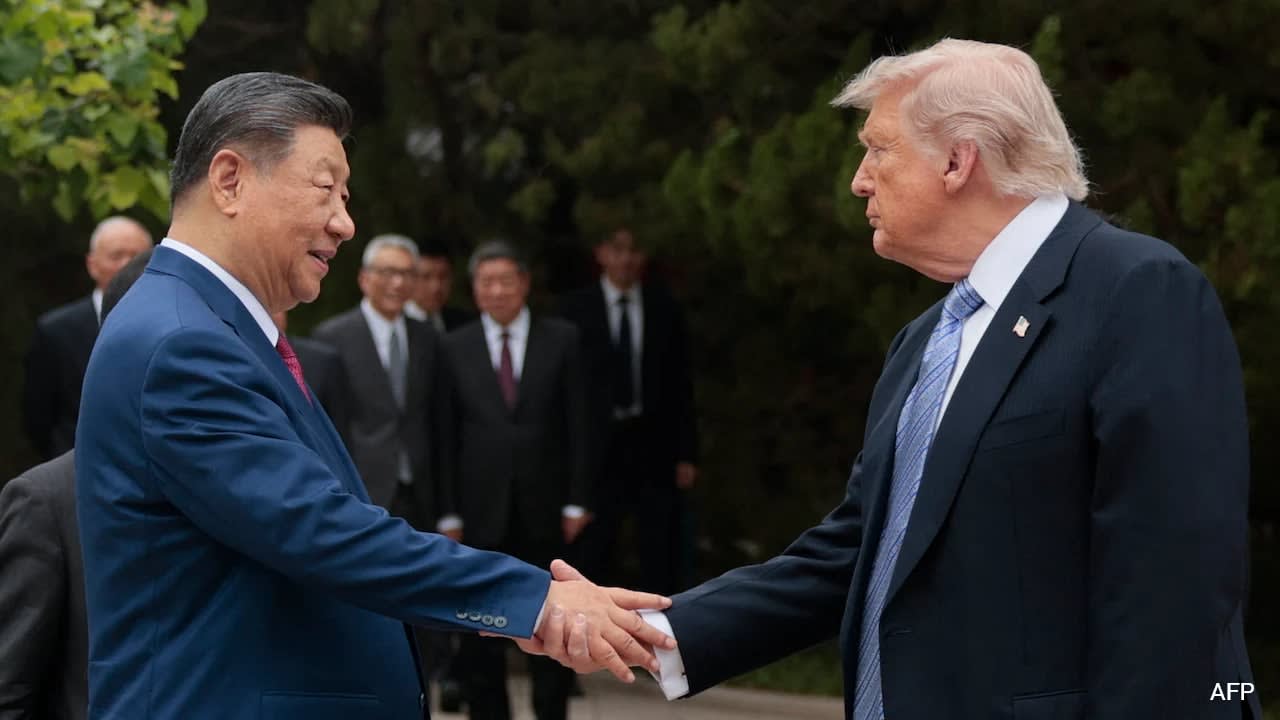
Chinese President Xi Jinping is set to meet President Donald Trump in Washington, with the $14 billion Taiwan arms deal serving as a primary point of contention. Beijing is expected to pressure the US to halt these sales, citing historical agreements regarding Taiwan's sovereignty.
The High-Stakes Diplomacy of the Trump-Xi Summit
As Chinese President Xi Jinping prepares for his upcoming summit in Washington with President Donald Trump, the bilateral relationship between the world's two largest economies faces a critical juncture. The meeting is set against a backdrop of complex geopolitical tensions, where trade, security, and long-standing diplomatic protocols intersect. Central to these discussions is the status of Taiwan, a self-governed island that remains a core sovereignty issue for Beijing.
The Shadow of the $14 Billion Arms Deal
A primary point of friction currently looming over the summit is the status of a $14 billion arms package intended for Taiwan. These weapon sales have been placed on hold, serving as a significant leverage point in the ongoing dialogue between Washington and Beijing. The Chinese leadership, viewing these armaments as a violation of their territorial integrity, has made the cessation of such deliveries a top priority, creating a high-pressure environment for negotiators.
Historical Precedents and Diplomatic Friction
Beijing’s stance is anchored in a 1982 US-China agreement, which contains language committing the United States to a gradual reduction of weapons sales to Taipei. Chinese officials are expected to invoke this historical document to argue that the current arms deals are inconsistent with previous diplomatic understandings. By pushing this narrative, President Xi aims to compel the Trump administration to re-evaluate its military support for the island, framing it as an essential step toward stabilizing US-China relations.
The Dynamics of Power and Negotiation
Beyond the specific logistics of the arms deal, the summit represents a test of personal diplomacy between the two leaders. Reports indicate that President Xi may adopt a firm stance, potentially choosing to 'lecture' President Trump on the sensitivities of the Taiwan issue. This approach underscores the depth of Beijing's commitment to the 'One China' policy and highlights the difficulty Washington faces in balancing its strategic partnership with Taiwan against the necessity of maintaining a functional relationship with the Chinese government.
Broader Geopolitical Implications
The outcome of this summit could set the tone for US-China relations for the remainder of the presidential term. If the two leaders manage to find a compromise on the arms deal, it could pave the way for broader cooperation on other global issues. Conversely, if the impasse over Taiwan persists, it risks hardening positions on both sides, potentially leading to increased regional instability and a cooling of diplomatic channels between Washington and Beijing.
Future Trends in US-China Relations
Moving forward, the management of the Taiwan issue will remain a bellwether for the health of the US-China bilateral relationship. Whether Washington chooses to honor the 1982 agreement or continues to prioritize its strategic security commitments to Taiwan will likely dictate the trajectory of future trade and security summits. The world will be watching closely to see if this meeting results in a de-escalation of tensions or a deepening of the divide over these fundamental sovereignty concerns.
Verification Required?