After Trump floats replacing Zelensky, Putin drops an offer so precise Ukraine has nowhere to turn?
Source Entity
Latest News: Todays Latest News Headlines from India & World | Hindustan Times | Hindustan Times
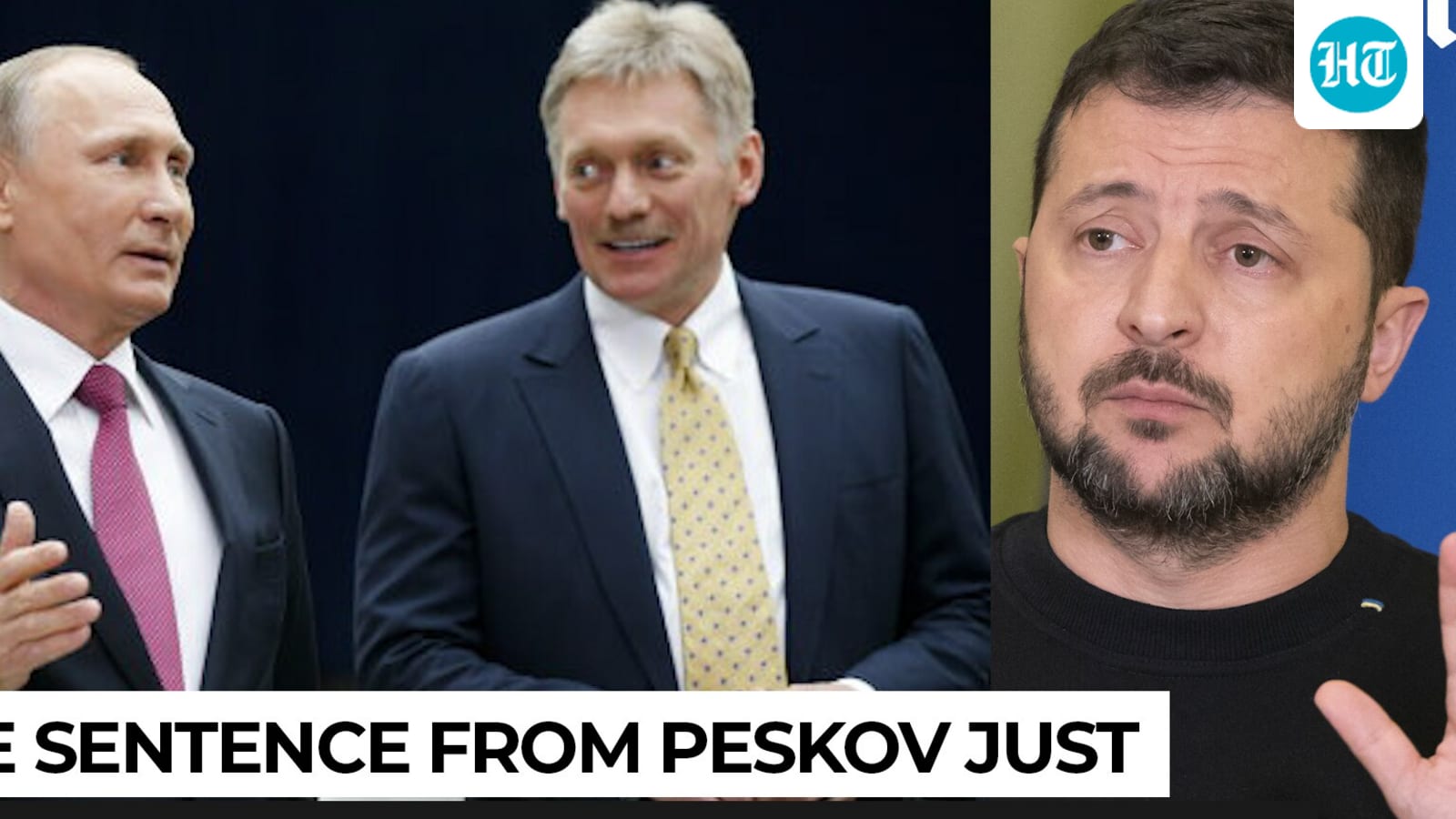
Donald Trump has publicly called for a change in Ukrainian leadership following his announcement of a diesel deal with Russia. President Zelenskyy criticized the arrangement, arguing it provides financial support for Moscow's ongoing war efforts.
The Diplomatic Friction Over Russian Diesel
Recent statements from Donald Trump regarding a diesel deal with Russia have sparked a sharp geopolitical confrontation with Ukrainian leadership. By announcing that he has secured an agreement to facilitate the release of Russian diesel into the United States, Trump has drawn immediate condemnation from President Volodymyr Zelenskyy. This development marks a significant shift in the discourse surrounding international sanctions and the economic mechanisms that underpin the ongoing conflict in Eastern Europe.
The Economic and Strategic Implications
The core of the controversy lies in the economic impact of the deal. President Zelenskyy has publicly characterized the agreement as a direct benefit to the Kremlin, suggesting that the influx of funds resulting from diesel exports will inevitably bolster Moscow's capacity to finance its military operations. This highlights a recurring tension in global politics: the balance between domestic energy stability—often prioritized by the U.S. when seeking to temper fuel prices—and the commitment to a sanctions regime intended to isolate an aggressor nation.
A Shift in Political Rhetoric
Following Zelenskyy’s critique of the deal, Donald Trump escalated the situation by calling for a change in Ukrainian leadership, stating it is "time for Ukraine to get a new president." This rhetoric represents a profound departure from the standard diplomatic support traditionally extended to an ally during wartime. By centering his argument on the necessity of a leadership transition in Kyiv, Trump is signaling a potential pivot in U.S. foreign policy that prioritizes transactional energy deals over the established geopolitical consensus regarding the war.
Analyzing the Sanctions Landscape
The easing of curbs on Russian diesel, as referenced in the reports, suggests a recalibration of the Western policy framework. Historically, the imposition of energy sanctions was designed to starve the Russian war machine of its primary revenue source. However, the current move indicates that internal political pressures regarding energy costs are beginning to outweigh the strategic desire for total economic isolation of Russia, creating a complex dilemma for international policymakers.
Future Trends in U.S.-Ukraine Relations
Looking forward, this rhetorical and policy-based rift may have lasting consequences for the U.S.-Ukraine partnership. If the narrative continues to shift toward criticizing the current Ukrainian administration while simultaneously pursuing energy agreements that benefit the Russian economy, the strategic alliance could face significant instability. This trajectory suggests that energy security and domestic political messaging may increasingly dictate the future of international support for Ukraine.
Concluding Summary
In summary, the intersection of energy policy and political criticism has created a volatile environment. While the diesel deal is presented as a measure to assist the U.S. energy market, its perceived impact on the war effort has alienated the Ukrainian government. The resulting call for a leadership change in Kyiv underscores the growing ideological divide regarding how the U.S. should manage its engagement with both Russia and Ukraine moving forward.
Multiple Citing Sources
Verification Required?