Video: Turkish Airlines Flight "Started To Plummet" After 3 Landing Attempts In Tunisia
Source Entity
NDTV News Search Records Found 1000
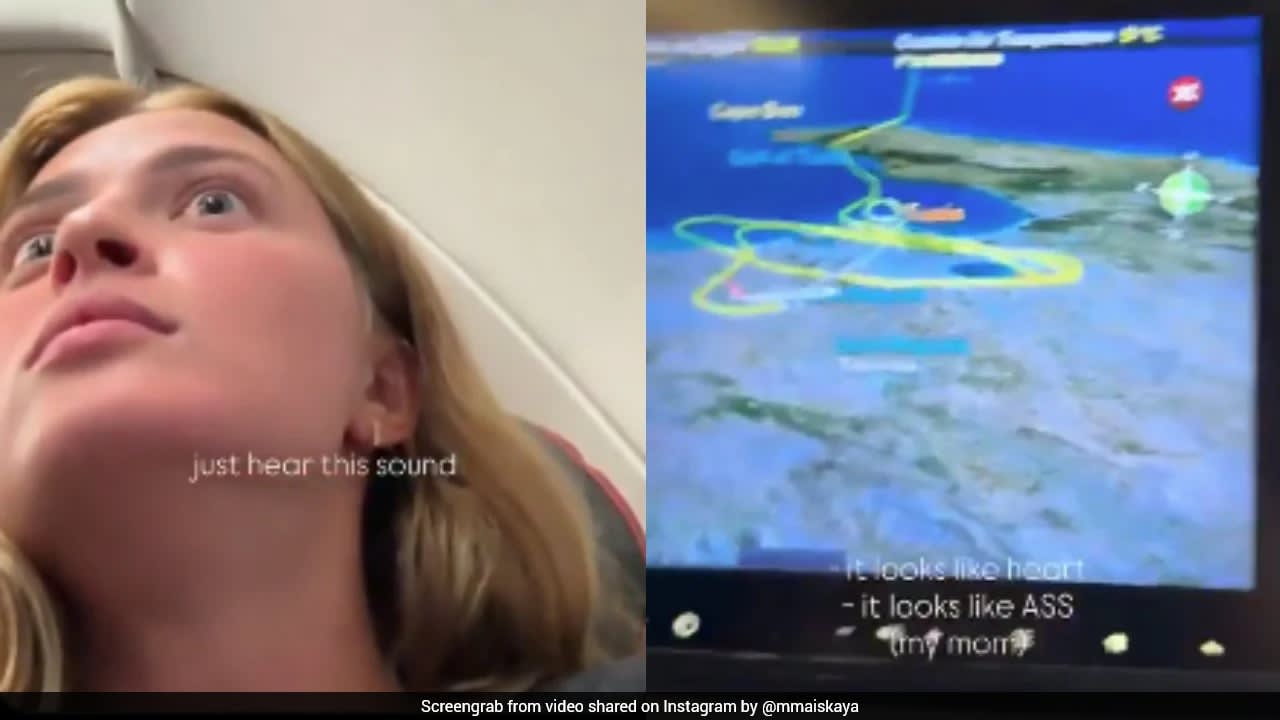
A Turkish Airlines flight from Istanbul to Tunis was diverted to Enfidha-Hammamet International Airport after encountering severe turbulence and failing three landing attempts. Passengers reported terrifying conditions as the aircraft experienced significant instability during its descent in stormy weather.
Turbulence and Operational Challenges: The Turkish Airlines Incident
An Unexpected Descent
On Thursday, a routine Turkish Airlines flight originating from Istanbul and bound for Tunis encountered severe operational challenges during its final approach. As the aircraft neared the Tunis-Carthage International Airport, it was met with intense, stormy weather conditions that fundamentally compromised the landing sequence. According to passenger accounts, the flight transitioned from a smooth journey to a state of extreme instability, leading to a series of three failed attempts to land safely at the intended destination.
The Human Experience of Aviation Instability
Passenger testimonies, most notably from traveler Marina Maiskaya, highlight the psychological impact of severe turbulence. The video footage captured during the incident depicts a cabin in distress, with passengers audibly screaming and gripping their seats as the aircraft experienced significant vertical movement. The description of the plane having "started to plummet" illustrates the severity of the atmospheric conditions, underscoring how quickly weather-induced turbulence can transform a standard commercial flight into a high-stress emergency situation.
Strategic Diversion and Safety Protocols
Following the three unsuccessful landing attempts, the flight crew made the critical decision to divert the aircraft to Enfidha-Hammamet International Airport, located approximately 60 miles south of Tunis. In commercial aviation, diversion is a standard safety protocol utilized when weather conditions at the primary destination exceed the operational limits of either the aircraft or the airport's infrastructure. By choosing to land at a secondary site, the crew prioritized the physical integrity of the aircraft and the safety of the passengers over the inconvenience of a missed arrival.
The Broader Context of Meteorological Impact
This incident serves as a reminder of the inherent volatility of atmospheric weather patterns on international flight paths. While modern aircraft are engineered to withstand extreme forces, the unpredictability of wind shear and localized storms remains a persistent challenge for pilots. The necessity of multiple landing attempts indicates that the meteorological conditions were likely severe enough to trigger automated safety warnings in the cockpit, necessitating manual intervention and eventual diversion to ensure a stable landing environment.
Future Implications for Flight Safety
As climate patterns shift and extreme weather events become more frequent, the aviation industry will likely continue to emphasize robust training for pilots regarding unstable approaches and turbulence management. The successful diversion of this flight highlights the efficacy of existing flight safety management systems, which ensure that when a landing cannot be safely executed, alternative arrangements are activated. While the experience was undoubtedly harrowing for those on board, the outcome confirms that safety procedures are functioning as intended to mitigate risks during adverse weather.
Verification Required?