Two Italians killed in Kuwait drone strike blamed on Iran; Tehran denies involvement
Source Entity
Latest News: Todays Latest News Headlines from India & World | Hindustan Times
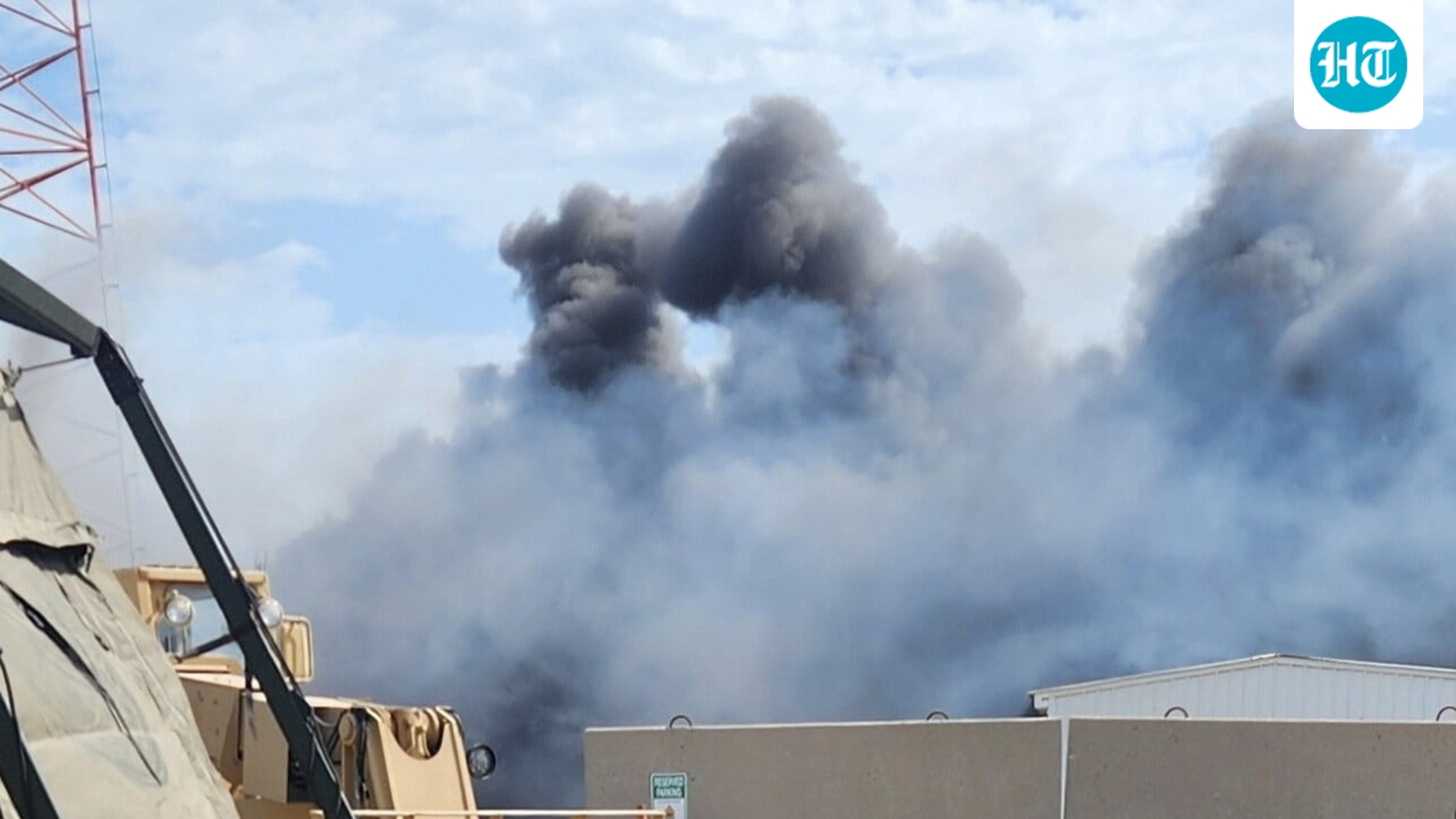
A drone attack in Kuwait has resulted in the deaths of two Italian technicians working for Rheinmetall, heightening regional tensions. While Kuwait and Italy have attributed the strike to Iran, Tehran has officially denied any involvement in the incident.
Escalating Regional Instability: The Kuwait Incident
The Middle East faces a precarious escalation following a drone attack in Kuwait City on March 8, 2026, which resulted in the deaths of two Italian technicians. The victims, who were employed by Rheinmetall Italia, were reportedly performing maintenance on air defense surveillance systems utilized by the Kuwaiti Armed Forces when the facility was struck. This event marks a significant expansion of the ongoing regional conflict, which has already seen large-scale military engagements between Iran and a U.S.-Israeli coalition.
The Geopolitical Fallout
Following the attack, both Kuwaiti authorities and the Italian government have formally blamed Iran for the strike. This accusation has drawn immediate pushback from Tehran, with Foreign Minister Abbas Araghchi characterizing the incident as a "suspicious" and "precooked recipe for war." The denial from Iranian military officials highlights the volatile nature of the information war accompanying the kinetic conflict, as both sides seek to shape international perception regarding responsibility.
Broader Context of the Conflict
The current situation is a direct consequence of the strikes launched by the U.S. and Israel against Iran on February 28, 2026. That initial engagement triggered a cycle of swift retaliation, with Iran launching missile attacks across the region. The conflict has now moved beyond the immediate borders of the belligerents, impacting usually stable nations like Kuwait and threatening the integrity of regional infrastructure, including oil refineries and maritime transport lanes.
Impact on Global Infrastructure
The broader implications of this conflict are severe, as the instability has effectively upended the world’s energy and transport sectors. Reports of an explosion near a tanker in the Persian Gulf, alongside strikes on Saudi oil infrastructure and Houthi-controlled territories, suggest a systematic disruption of global supply chains. As global powers continue to be drawn into the fray, the economic consequences are expected to ripple through international markets, further complicating diplomatic efforts to restore order.
Humanitarian Consequences
Beyond the strategic military developments, the humanitarian toll remains devastating. Concurrent with the events in Kuwait, Israeli strikes in Gaza have resulted in the deaths of 10 Palestinians, according to hospital officials at Shifa and Al-Aqsa Martyrs hospitals. The combination of these events underscores a multi-front crisis that shows little sign of de-escalation, as military rhetoric from major players—including remarks from Donald Trump suggesting an arbitrary timeline for the end of the conflict—continues to dominate the narrative.
Future Outlook
Looking forward, the death of European nationals in a neutral territory like Kuwait significantly raises the stakes for NATO and other international alliances. The challenge for the global community will be to prevent the conflict from spiraling into a wider, uncontrollable war. With Iran denying involvement and the U.S.-led coalition maintaining its aggressive posture, the immediate future remains fraught with the danger of miscalculation and further unintended casualties.
Verification Required?