Tyson cuts 3,200 jobs and closes 3 beef plants as U.S. cattle herds shrink to their lowest level since the 1950s
Source Entity
Yahoo Finance
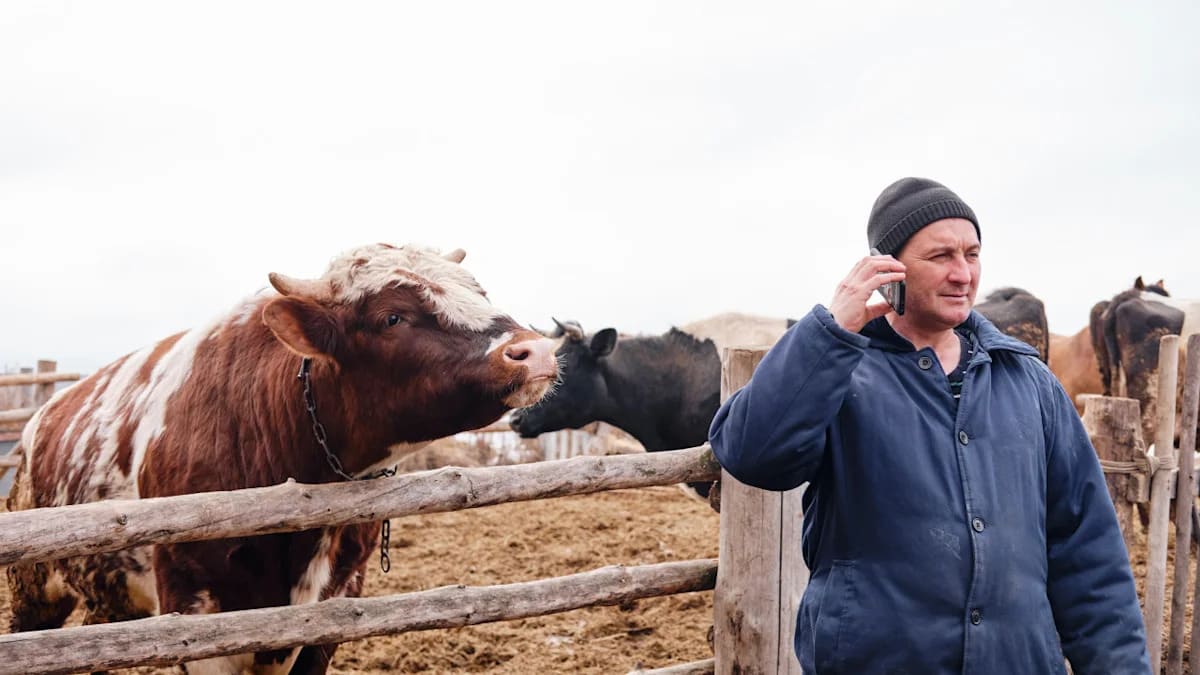
Tyson Foods is closing three beef plants and cutting 3,200 jobs as the U.S. cattle industry faces its lowest herd levels since the 1950s. This contraction reflects ongoing structural challenges, including drought and rising operational costs, with no immediate relief in sight for the sector.
The Contraction of the U.S. Beef Industry
The U.S. beef industry is currently navigating a period of profound instability, marked by the recent announcement that Tyson Foods will eliminate 3,200 jobs and shutter three beef processing plants. This drastic restructuring highlights the precarious state of the national cattle supply chain, which is struggling under the weight of historical herd lows not seen since the 1950s. As major players attempt to mitigate losses, the broader agricultural landscape faces a period of forced adaptation.
The Impact of Historical Herd Declines
Data from the U.S. Department of Agriculture confirms that the national cattle inventory has reached a multi-decade nadir. This supply shock serves as the primary catalyst for the current economic strain, as fewer cattle directly translate to higher prices for beef and increased volatility for large-scale meatpackers. For firms like Tyson, the inability to maintain high throughput in their processing facilities necessitates the closure of plants to preserve operational solvency in an environment defined by scarcity.
Environmental and Structural Pressures
Beyond the raw numbers, environmental factors such as persistent drought conditions have exacerbated the crisis. The lack of adequate water and rainfall has severely hampered the cultivation of essential forage crops, making it increasingly expensive and difficult for ranchers to expand their herds. These structural headwinds create a bottleneck where the cost of production remains high, even as the volume of available livestock continues to dwindle.
Market Disparities Among Producers
Interestingly, the industry is experiencing a paradoxical fiscal reality. While meatpackers are downsizing due to rising overhead and supply shortages, some ranchers are reporting record-breaking profits. Because the overall consumer demand for beef remains resilient despite price hikes, those producers who are able to maintain their operations are benefiting from the supply-demand imbalance. This creates a clear divide between the upstream ranching sector and the downstream processing firms.
Future Outlook and Economic Implications
Looking ahead, there is little indication of immediate relief for the beef industry. The time required to rebuild cattle herds is extensive, and the structural reliance on stable forage crops means that recovery is tethered to long-term environmental patterns. As companies continue to consolidate and downsize, the beef industry will likely undergo a permanent shift in how it manages supply chain logistics and operational capacity to survive in this new, leaner economic reality.