Why US stocks fell today: Dow, S&P 500, Nasdaq drop as oil and bond yields rise
Source Entity
Latest News: Todays Latest News Headlines from India & World | Hindustan Times | Hindustan Times
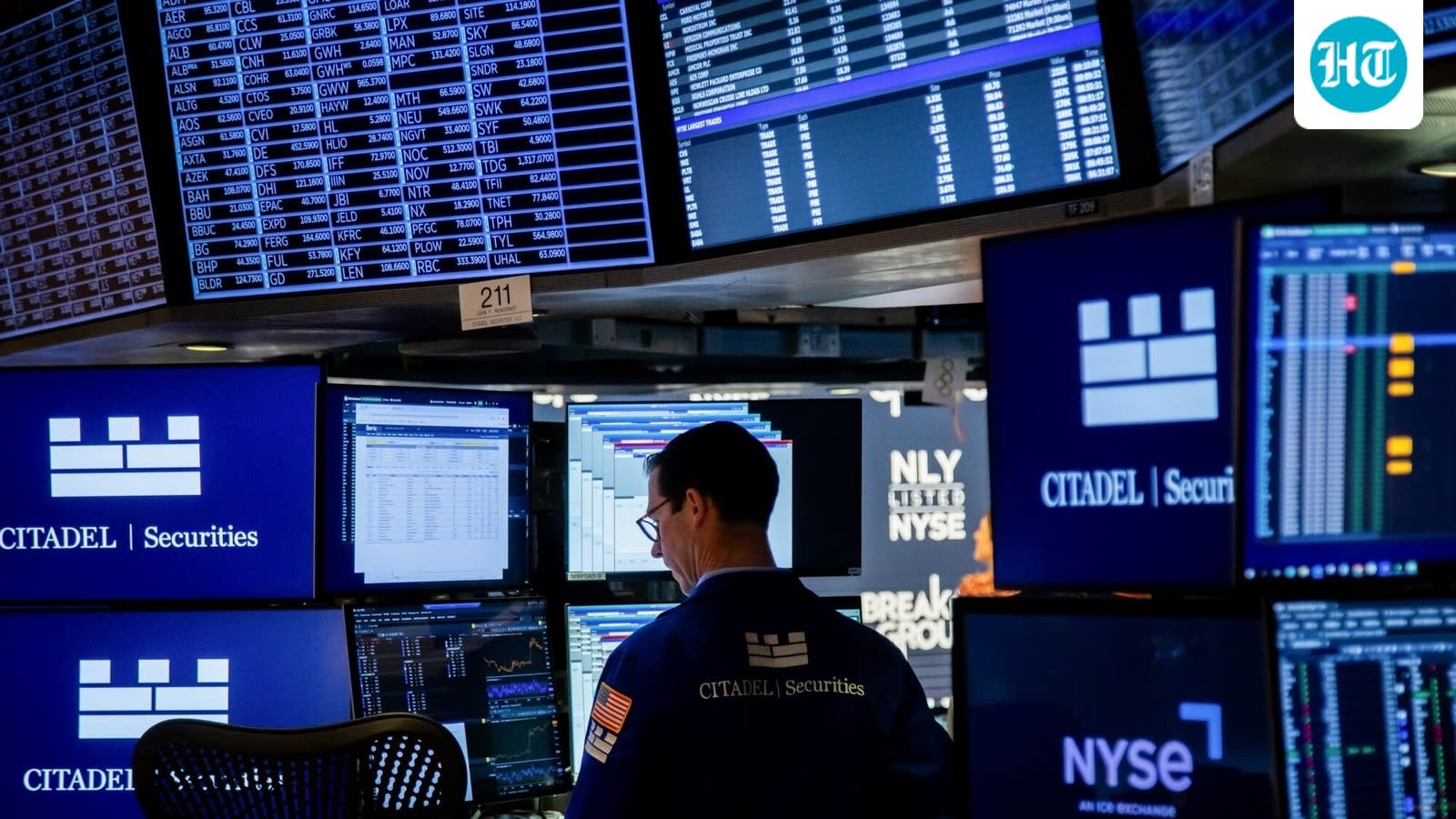
US markets retreated as President Trump announced a severe economic offensive against Iran, sending oil prices above $93 per barrel. The volatility was further compounded by a sharp decline in Walmart shares following a disappointing earnings report.
Market Volatility Amid Geopolitical Escalation
On Thursday, the major U.S. stock indices—the Dow Jones Industrial Average, the S&P 500, and the Nasdaq Composite—experienced a synchronized downturn. This market retreat, characterized by a 0.8% drop in the Dow and Nasdaq and a 0.3% decline in the S&P 500, marks a sharp reversal from the gains observed just one day prior. The primary catalysts for this sudden shift in sentiment were a confluence of geopolitical instability and negative corporate earnings, creating a "perfect storm" for investors.
The 'Economic D-Day' and Global Markets
The most significant driver of market anxiety was President Donald Trump’s announcement of an impending "Economic D-Day" against Iran. Described as the most crushing economic operation ever taken against a nation, this move signals a major escalation in the administration's long-standing pressure campaign, previously referred to as Operation Economic Fury. By threatening severe financial penalties against any nation that provides a "lifeline" to Tehran, the administration has introduced a new layer of uncertainty into global trade relations, particularly regarding the security of the Strait of Hormuz.
Energy Sector and Inflationary Pressures
Geopolitical tension has translated directly into energy market volatility. As the threat of further conflict or sanctions looms, Brent crude prices surged past $93 per barrel, with U.S. WTI crude following suit. Higher oil prices historically act as a tax on the broader economy, increasing transportation and manufacturing costs, which in turn fuels inflationary expectations. This rise in energy costs, coupled with a concurrent increase in Treasury yields, has forced investors to reevaluate the risk-to-reward profile of equities, leading to the observed sell-off.
Corporate Headwinds: The Walmart Factor
Adding to the macroeconomic pressures, the equity market suffered from micro-level shocks, most notably the sharp decline of Walmart (WMT) shares. The discount retailer’s latest earnings report missed expectations, serving as a bellwether for consumer spending habits. When a retail giant like Walmart falters, it often signals to the market that the American consumer may be facing exhaustion, which is a critical concern during periods of rising interest rates and geopolitical instability.
Historical Context and Future Trends
This current environment mirrors historical periods where "economic warfare" and supply chain disruptions have dictated market direction. The administration’s assertion that Iran’s military infrastructure has been incapacitated, while simultaneously claiming the regime is "hanging by a thread," suggests a high-stakes strategy aimed at total economic isolation. Looking ahead, market stability will likely depend on whether these threats remain rhetorical or if they manifest into concrete, long-term trade blockades that further disrupt the global supply of crude oil.
Conclusion
In summary, the U.S. stock market is currently caught between the hammer of aggressive foreign policy and the anvil of corporate underperformance. The combination of rising bond yields, spiking oil prices, and weakened consumer sentiment suggests that investors should expect continued volatility. The "Economic D-Day" against Iran will remain the primary focus for global markets in the coming weeks, as the international community assesses the feasibility and consequences of such a broad-reaching sanctions regime.
Multiple Citing Sources
Verification Required?