What's Behind The UAE's Decision To Cut Iran Trade Ties?
Source Entity
NDTV News Search Records Found 1000
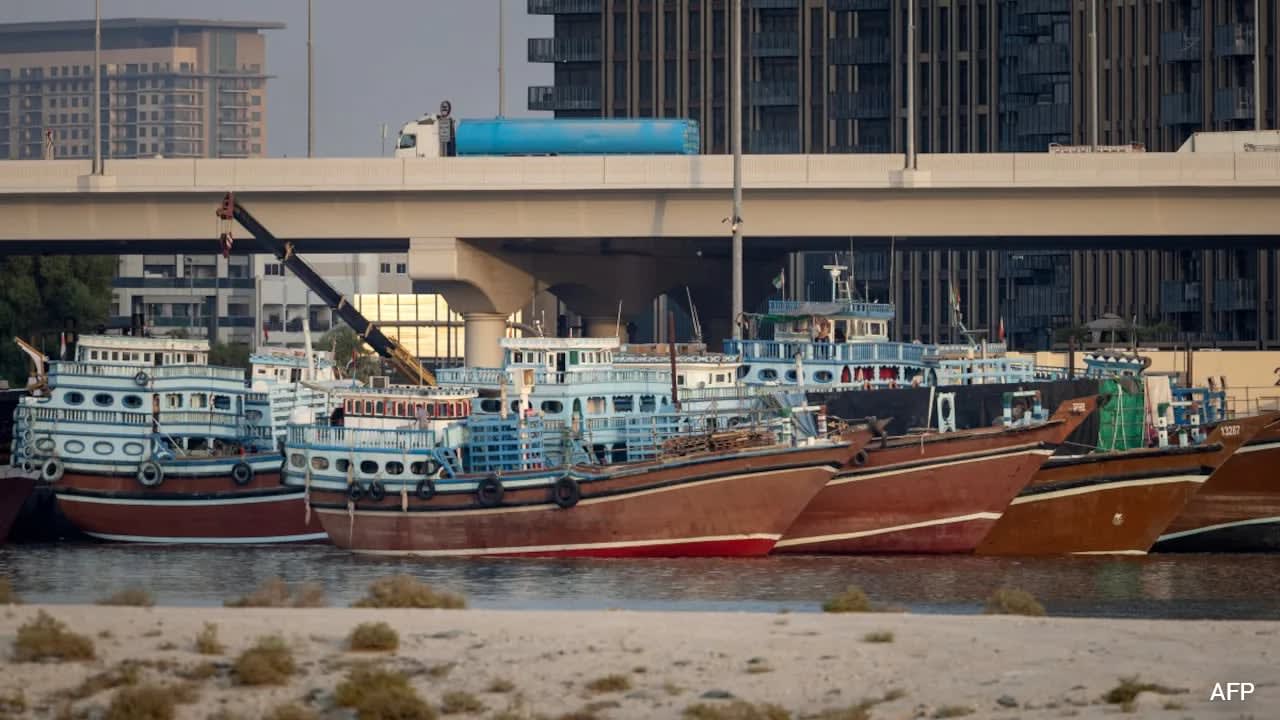
The UAE holds a critical position as Iran's primary source of imports and a vital economic partner. This trade relationship remains a central pillar in the complex geopolitical landscape of the Persian Gulf.
The Strategic Economic Nexus: UAE and Iran
The United Arab Emirates occupies a uniquely influential position as a primary trading partner for Iran, serving as the nation's foremost source of imports. This economic bridge is not merely a matter of commercial transaction; it is a fundamental component of regional trade architecture. By acting as a gateway for goods entering Iran, the UAE provides a critical lifeline that sustains various sectors of the Iranian economy, despite the prevailing climate of international sanctions and political volatility.
The Mechanics of Import Dependency
At the heart of this relationship is the logistical and financial infrastructure provided by the UAE. As Iran faces persistent challenges in accessing global markets directly, the UAE's ports and commercial hubs have historically functioned as essential clearinghouses. This dependency underscores a pragmatic approach to regional economics, where cross-border trade persists even when diplomatic relations are strained. The volume and nature of these imports suggest that the UAE’s role is indispensable for the procurement of essential goods, technology, and industrial components.
Geopolitical Implications of Trade Ties
The decision-making processes surrounding these trade ties are fraught with complexity. For the UAE, maintaining this link involves balancing its role as a global financial hub with the geopolitical pressures exerted by international powers seeking to isolate the Iranian economy. The UAE’s status as a top import source for Iran places it in a delicate position, forcing it to navigate the narrow corridor between regional stability and compliance with global regulatory frameworks.
Historical Context and Economic Resilience
Historically, the Persian Gulf has been defined by a deep-seated tradition of mercantile exchange that often defies political borders. The current trade dynamic is a modern evolution of these ancient maritime routes. Even during periods of heightened tension, the economic necessity of these import chains has often forced a degree of restraint. This historical resilience suggests that trade is frequently used as a tool for regional de-escalation, or at the very least, a mechanism to prevent total economic collapse.
Future Trends and Strategic Outlook
Looking ahead, the longevity of this trade relationship will likely be dictated by the shifting sands of Middle Eastern diplomacy. Should the UAE move to significantly curtail these ties, the impact on Iran’s import capacity would be immediate and severe. Conversely, if the status quo persists, it signals a continued prioritization of regional economic stability over external political pressures. As global powers continue to monitor these flows, the UAE's role as a primary trade partner remains a definitive factor in the broader strategic calculus of the region.
Verification Required?