Uber is spending $2.3B to get into catering
Source Entity
Sean O'Kane
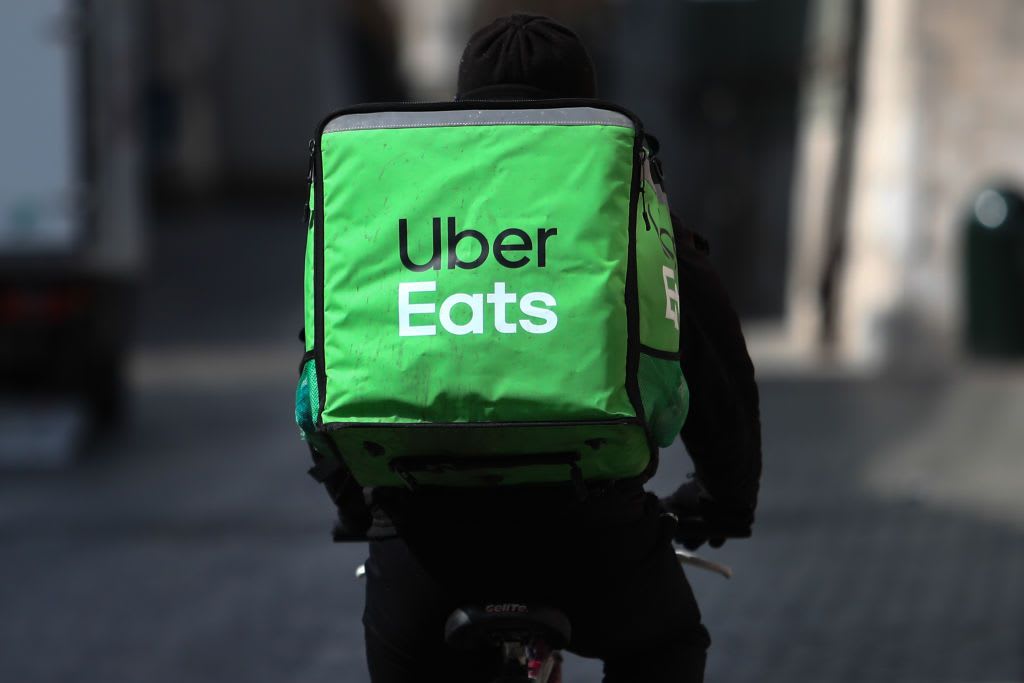
Uber is acquiring catering platform ezCater for $2.3 billion in an all-cash deal to expand its Uber Eats division. This strategic move targets the lucrative workplace meals market, leveraging ezCater's established business-to-business infrastructure.
Uber's Strategic Expansion into Corporate Catering
Uber has announced a significant expansion of its Uber Eats division through the $2.3 billion all-cash acquisition of ezCater. This move marks a pivotal shift for the ride-sharing giant as it seeks to diversify beyond individual consumer food delivery and tap into the high-volume, recurring revenue model of corporate and workplace catering. By integrating a platform that functions as an 'Expedia for catering,' Uber is signaling a departure from its traditional gig-economy delivery model toward a more robust B2B logistics framework.
The Mechanics of the Deal
ezCater, founded in 2007, has spent over a decade building a specialized marketplace that connects businesses with catering services. Having generated over $2.5 billion in gross bookings in the last 12 months, the company represents a mature, high-growth asset. Its history as a bootstrapped entity for seven years before its 2014 funding rounds speaks to its operational efficiency and deep market penetration, providing Uber with a ready-made infrastructure that would have otherwise taken years to develop organically.
Scaling the Uber Eats Ecosystem
Uber CEO Dara Khosrowshahi has framed this acquisition as a strategic play to help restaurant partners access a new, larger tier of clientele. While individual meal delivery is often subject to thin margins and high competition, corporate catering offers larger order sizes, predictable scheduling, and long-term client relationships. This acquisition allows Uber Eats to leverage its existing fleet and logistics technology to fulfill complex, high-value orders that individual consumers rarely place.
Broader Market Implications
The food delivery sector has faced mounting pressure to show profitability beyond simple volume. By capturing the workplace segment, Uber is effectively insulating itself against the volatility of the retail consumer market. This move mirrors broader trends in the tech industry where platforms are increasingly pivoting toward high-value enterprise services to stabilize their balance sheets. The integration of ezCater provides Uber with immediate relevance in the corporate sector, a vertical that has long been a 'white whale' for delivery platforms.
Future Trends and Outlook
Looking ahead, this acquisition suggests that the next phase of the 'delivery wars' will be fought in the B2B space rather than just the consumer-facing app market. As companies return to offices and prioritize team-based culture, the demand for reliable workplace meal solutions is likely to surge. Uber is well-positioned to capitalize on this demand, potentially utilizing its global scale to expand the ezCater model into international markets, thereby transforming Uber Eats into a comprehensive food logistics powerhouse.