Uber surprised robotics company Serve by selling its entire stake
Source Entity
Kirsten Korosec
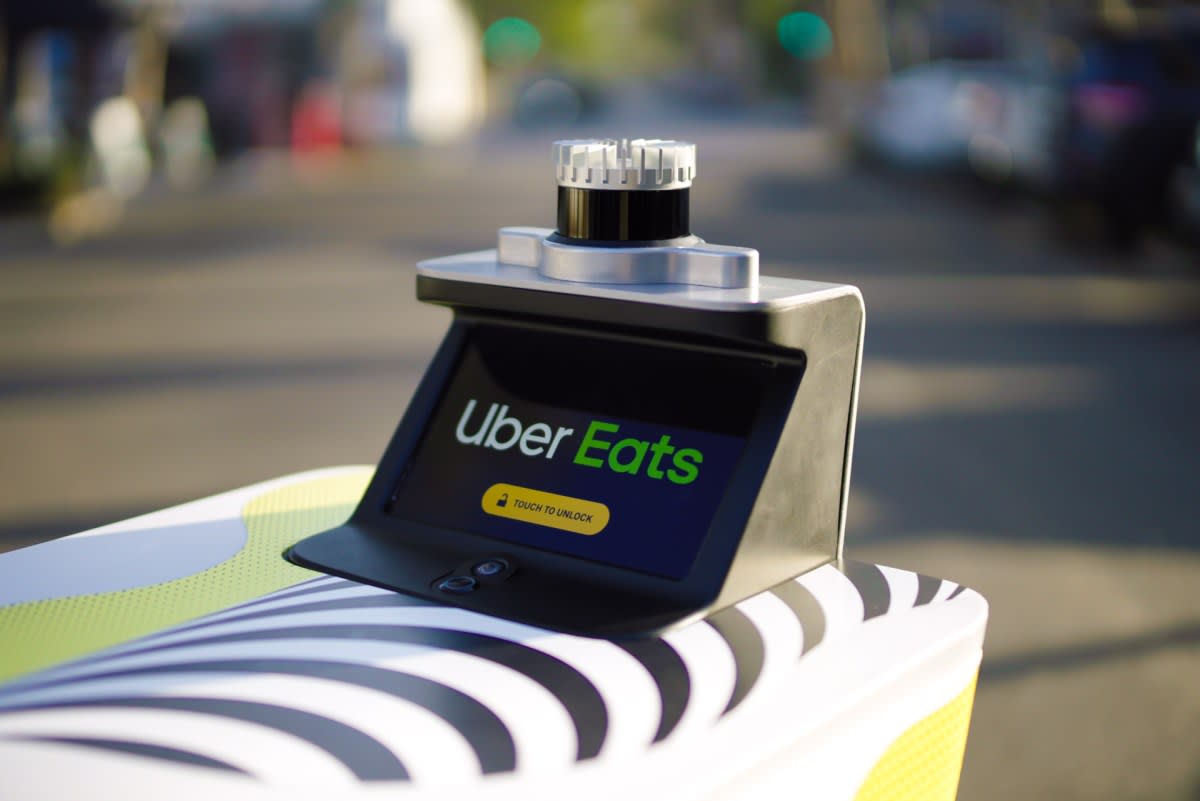
Uber has officially divested its entire stake in the autonomous delivery firm Serve Robotics. This move marks a formal separation between the two entities, surprising leadership at Serve despite a year-long trend of stake reduction.
The Strategic Decoupling: Uber Exits Serve Robotics
Uber’s recent regulatory disclosure confirming the total divestment of its stake in Serve Robotics marks a significant milestone in the evolution of the autonomous delivery landscape. Born out of the Postmates X robotics division, Serve Robotics once operated as an internal innovation hub under the umbrella of ride-hailing and delivery giants. This formal exit, executed in stages over the past year, signals a definitive pivot in Uber's corporate strategy regarding capital allocation in the hardware-intensive robotics sector.
A Shift in Corporate Alignment
The relationship between Uber and Serve has been characterized by a gradual divergence in business objectives. While initially synergistic—with Serve functioning as a specialized arm for delivery technology—the two companies have increasingly moved toward distinct operational models. Uber’s decision to liquidate its position, even as it surprised Serve’s leadership upon the final disclosure, underscores a move toward prioritizing core platform scalability over direct ownership of robotics manufacturing and fleet management.
Historical Context and Evolution
Serve Robotics originated as Postmates X, an internal incubator designed to push the boundaries of automated last-mile delivery. When Uber acquired Postmates, the robotics division was spun out, creating a unique corporate structure where Uber maintained a vested interest in the startup's success. For over five years, this arrangement provided Serve with a strategic foothold in the industry. However, the reduction of Uber's stake throughout 2025 indicated a long-term plan to wind down this financial dependency long before the final divestment occurred.
The Mechanics of the Exit
Regulatory filings reveal that Uber’s divestment was not an overnight impulse but a calculated reduction in assets. By systematically lowering its exposure throughout 2025, Uber prepared the market for its eventual departure. Despite this documented trend, the suddenness of the final notification caught Serve Robotics off guard, highlighting the growing distance between the two firms' communication channels and strategic priorities.
Broader Implications for Autonomous Delivery
This divesture highlights a broader trend in the tech industry where large platform companies are increasingly opting to partner with, rather than own, specialized hardware developers. By exiting the robotics sector, Uber avoids the capital-heavy requirements of hardware maintenance and hardware-specific regulatory hurdles, allowing it to remain a platform-agnostic service provider. For Serve Robotics, this independence may offer greater flexibility to form partnerships across the broader logistics ecosystem.
Future Outlook
As the autonomous delivery market matures, the decoupling of Uber and Serve serves as a case study in corporate maturity. While Uber focuses on its global ride-hailing and delivery marketplace, Serve Robotics faces the challenge of operating as a truly independent entity in a competitive hardware space. Moving forward, the industry will be watching to see how Serve navigates this new landscape without the direct financial backing of its former parent company.