Uber, Nuro, and Lucid kick off fully driverless robotaxi testing
Source Entity
Andrew J. Hawkins
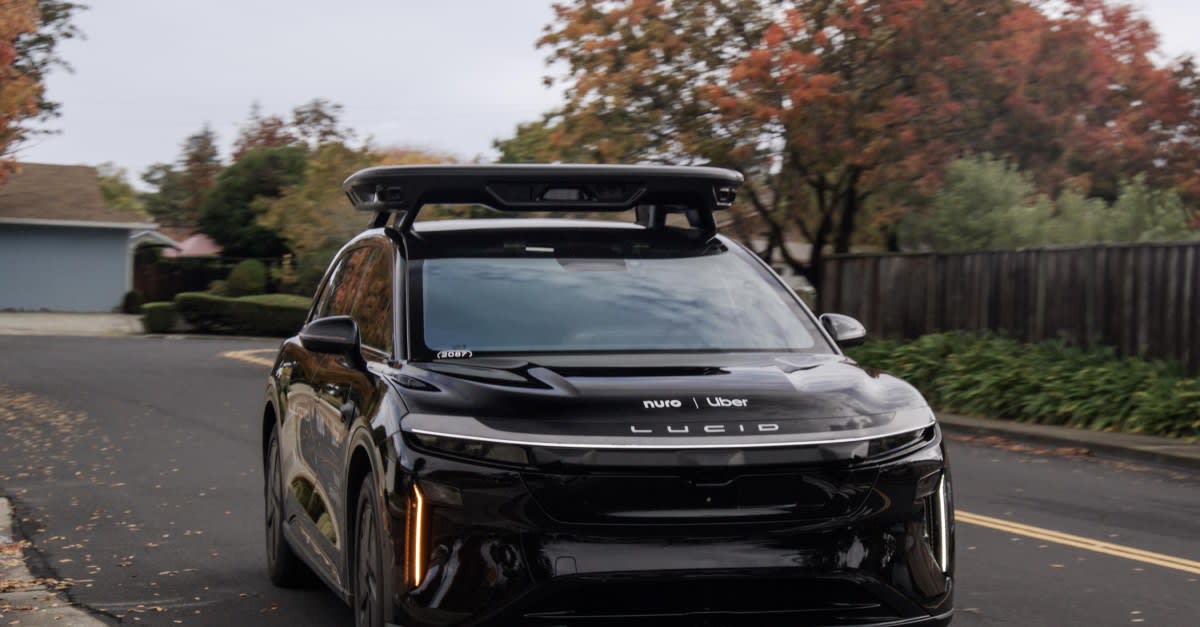
Uber, Nuro, and Lucid have launched fully driverless robotaxi testing in the San Francisco Bay Area. This strategic alliance marks Uber's return to autonomous ride-hailing using Lucid Gravity SUVs.
The Evolution of Autonomous Ride-Hailing
Uber’s recent announcement marks a pivotal shift in the autonomous vehicle (AV) landscape, signaling a departure from its previous internal development struggles. By partnering with Nuro and Lucid, the company is effectively outsourcing the hardware and robotics challenges that once plagued its own in-house divisions. This transition from a developer of AV technology to a platform orchestrator allows Uber to leverage its massive existing user base while mitigating the immense capital expenditure required to build a fleet from scratch.
The Strategic Role of the Lucid Gravity SUV
The choice of the Lucid Gravity SUV as the platform for this initiative is significant. Known for its high-performance electric powertrain and spacious interior, the Gravity provides a luxury-tier experience that aligns with Uber’s premium service offerings. By removing the human safety operator, the companies are moving toward a 'Level 4' autonomous experience, where the vehicle can handle all aspects of driving within the specific, mapped geography of the San Francisco Bay Area.
Navigating the Regulatory Landscape
Transitioning to fully driverless testing on public roads is a high-stakes endeavor that requires rigorous safety validation. The San Francisco Bay Area serves as the ultimate proving ground due to its complex traffic patterns, variable weather, and dense urban infrastructure. By starting with employee-only rides, the alliance is likely focusing on gathering critical telemetry and user-experience data before opening the service to the general public, a standard practice in the industry to ensure long-term regulatory compliance.
The Nuro Connection and Logistics
Nuro’s involvement adds an interesting layer to this partnership. While traditionally known for autonomous delivery solutions, their integration into this project suggests a broader application of their software stack. This three-way alliance creates a specialized ecosystem where Lucid provides the hardware, Nuro potentially offers the navigation and safety software, and Uber acts as the primary consumer-facing interface and logistics network.
Future Trends and Market Implications
This partnership indicates a broader market trend: the consolidation of autonomous expertise. As the industry matures, companies are moving away from the 'go-it-alone' mentality that defined the mid-2010s. We can expect to see more specialized partnerships where automakers, software providers, and ride-hailing giants pool resources to solve the technical and legal hurdles of driverless transport. If successful in San Francisco, this model is poised to scale into other major metropolitan areas globally.
Conclusion
Uber’s aggressive comeback in the autonomous sector underscores the persistent demand for scalable, driverless ride-hailing solutions. By abandoning its troubled in-house efforts and embracing a collaborative approach, Uber is well-positioned to compete with other autonomous incumbents. The coming months will be critical as the company moves from restricted testing to broader public availability, setting the stage for a new era of automated urban mobility.