Uber wins bid to throw out £340m black cab claims
Source Entity
BBC News
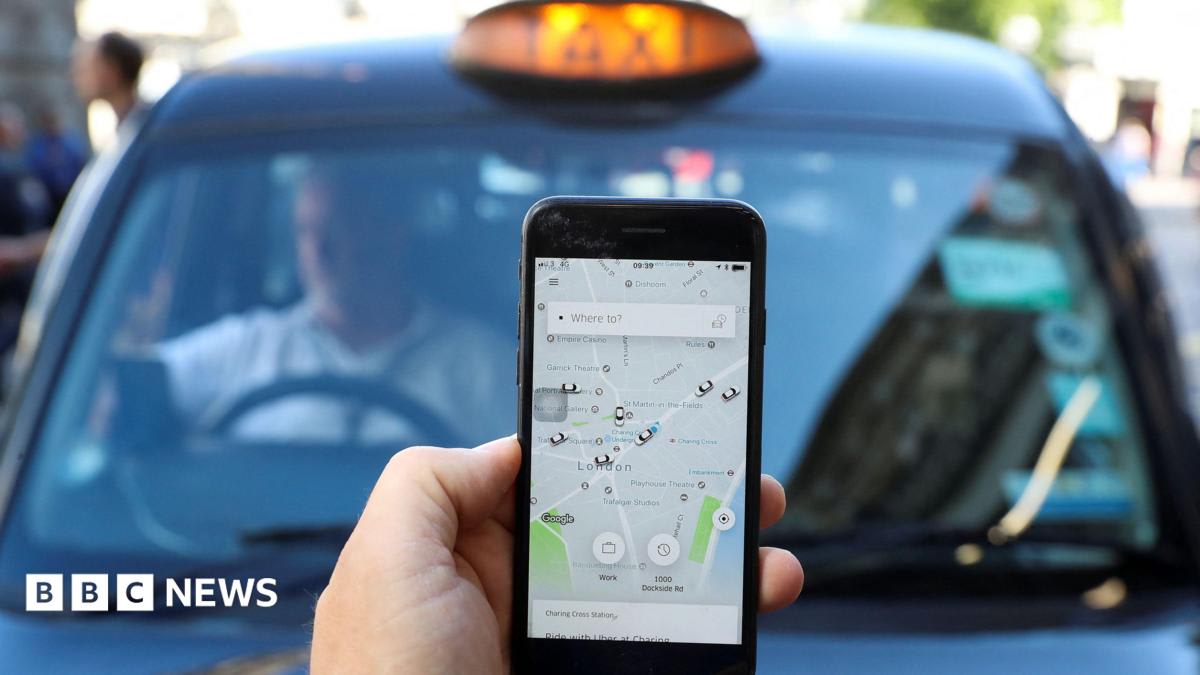
Uber has successfully dismissed a £340m lawsuit from London black cab drivers and defunct firms regarding alleged licensing fraud. A High Court judge ruled the claims were filed too late, effectively ending the litigation without addressing the underlying allegations.
Legal Victory for Uber in London Licensing Dispute
In a significant legal development for the ride-hailing industry, Uber has successfully secured the dismissal of a massive £340 million lawsuit brought by London black cab drivers and two former private hire firms. The litigation centered on allegations that Uber provided misleading information to Transport for London (TfL) during its initial licensing process in 2012. While the financial stakes were substantial, the High Court’s ruling focused strictly on procedural limitations rather than the merits of the allegations themselves.
The Procedural Hurdle: Why the Claims Failed
Presiding High Court judge ruled that the claimants had brought their cases forward far too late. Although the allegations date back to Uber's entry into the London market over a decade ago, the lawsuits were only filed in 2024. By dismissing the case on these grounds, the court avoided the need to determine whether the specific accusations of misleading TfL were factual. This decision highlights the critical importance of statutory limitation periods in complex commercial litigation, effectively shielding companies from historical claims that lack timely legal pursuit.
Financial Impact and Stakeholders
The scale of the financial demand underscored the long-standing friction between traditional taxi services and modern digital platforms. Approximately 13,000 black cab drivers were collectively seeking nearly £200 million in damages, arguing that Uber’s early market entry was predicated on deceptive practices. Furthermore, claims totaling £140 million were brought on behalf of Kabbie and Iride, two private hire firms that have since ceased operations. The dismissal leaves these parties without the potential payout they sought, marking a major setback for the plaintiffs' attempt to hold Uber accountable for its 2012 licensing phase.
Historical Context: The Regulatory Battlefield
Uber’s relationship with London regulators has been historically tumultuous. Since entering the market, the company has faced multiple challenges regarding its operating license, safety protocols, and the employment status of its drivers. This specific lawsuit sought to reach back to the very origins of that relationship, attempting to frame the company's entire London tenure as an outgrowth of initial regulatory deception. By shutting down this retrospective legal challenge, the court has provided Uber with a degree of regulatory closure concerning its early years in the capital.
Broader Implications for Future Litigation
This ruling serves as a cautionary tale for plaintiffs seeking to challenge the past conduct of major corporations. In the digital economy, where regulatory landscapes shift rapidly, the window for seeking damages for historical licensing disputes is narrow. For Uber, the result is a clear win that allows the company to continue its operations without the looming threat of this specific multi-million pound liability. Moving forward, this case will likely be cited by defense attorneys in similar commercial disputes to argue against the admissibility of 'stale' claims, reinforcing the necessity of timely legal action in the UK court system.
Conclusion
Ultimately, the dismissal of the £340 million claim marks a decisive moment in the ongoing tension between traditional transport providers and ride-hailing giants. While the core allegations of misleading TfL remain untested in court, the procedural outcome ensures that the matter is settled for now. Uber’s success in this instance highlights the protective nature of procedural law, ensuring that even the most high-profile and expensive grievances must be filed within the appropriate legal timeframe to be considered by the judiciary.