Early release scheme risks more serious crimes, probation chief warns
Source Entity
BBC News
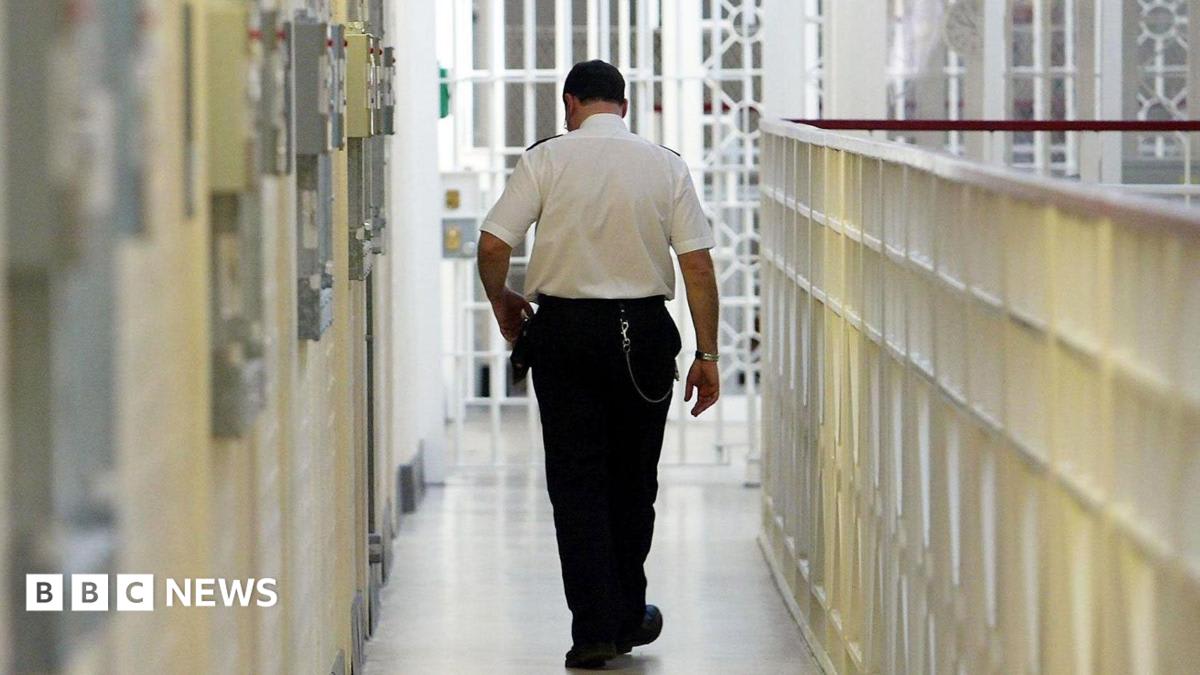
The UK's Chief Inspector of Probation warns that the government's plan to release 5,000 prisoners early to ease overcrowding risks public safety. Officials fear that overburdened probation services will struggle to adequately monitor high-risk offenders.
The Crisis of Capacity: Early Release Risks in the UK
The announcement that the UK government intends to release 5,000 offenders early starting in October has ignited a fierce debate regarding public safety and the integrity of the criminal justice system. Martin Jones, His Majesty's Chief Inspector of Probation for England and Wales, has issued a stark warning that this policy could result in severe consequences, including the commission of violent, sexual, or even homicidal offenses by individuals released before their scheduled time.
The Mechanics of Overcrowding
At the heart of this decision lies an urgent need to address the systemic overcrowding crisis within England and Wales' prison facilities. For years, the prison population has trended toward capacity limits, forcing the Ministry of Justice to seek emergency measures. The government frames the early release scheme as a logistical necessity to maintain order within the penal estate, yet this strategy appears to be colliding with the practical limitations of the rehabilitative infrastructure designed to manage these individuals upon their return to society.
Probation Under Unprecedented Pressure
Probation officers play a vital role in post-incarceration reintegration, tasked with enforcing curfews, monitoring substance abuse, and ensuring compliance with release conditions. Martin Jones has highlighted that these services are already operating under "unprecedented pressure." The concern is that the sudden influx of 5,000 additional individuals will stretch existing resources to a breaking point, potentially leading to gaps in supervision that could allow dangerous offenders to fall through the cracks of the justice system.
The Government’s Stance vs. Expert Skepticism
In response to these concerns, the Ministry of Justice maintains that public safety remains their "top priority." The government has cited investments in probation services and the hiring of trainee officers as evidence of their commitment to mitigating the risks associated with this policy shift. However, critics argue that the time required to train effective probation staff is not commensurate with the immediate surge in demand caused by the early release schedule.
Broader Implications for Criminal Justice
This situation underscores the delicate balance between penal capacity and public protection. If the probation service is unable to maintain consistent oversight, the long-term efficacy of the justice system is called into question. The risk is not merely administrative; it is a fundamental challenge to the social contract, where the state’s obligation to provide a safe society is weighed against the necessity of managing prison population levels.
Future Trends and Outlook
Looking ahead, the government will likely face intense scrutiny regarding the success or failure of this program. The outcome of these releases will serve as a bellwether for future penal policy. Should these measures lead to a spike in recidivism or high-profile criminal acts, it could force a significant reversal of current strategies, potentially leading to increased calls for prison expansion or a total re-evaluation of sentencing guidelines to prevent such administrative crises from recurring.