Teenagers from 15 should be given free meningitis B vaccine, say UK experts
Source Entity
BBC News
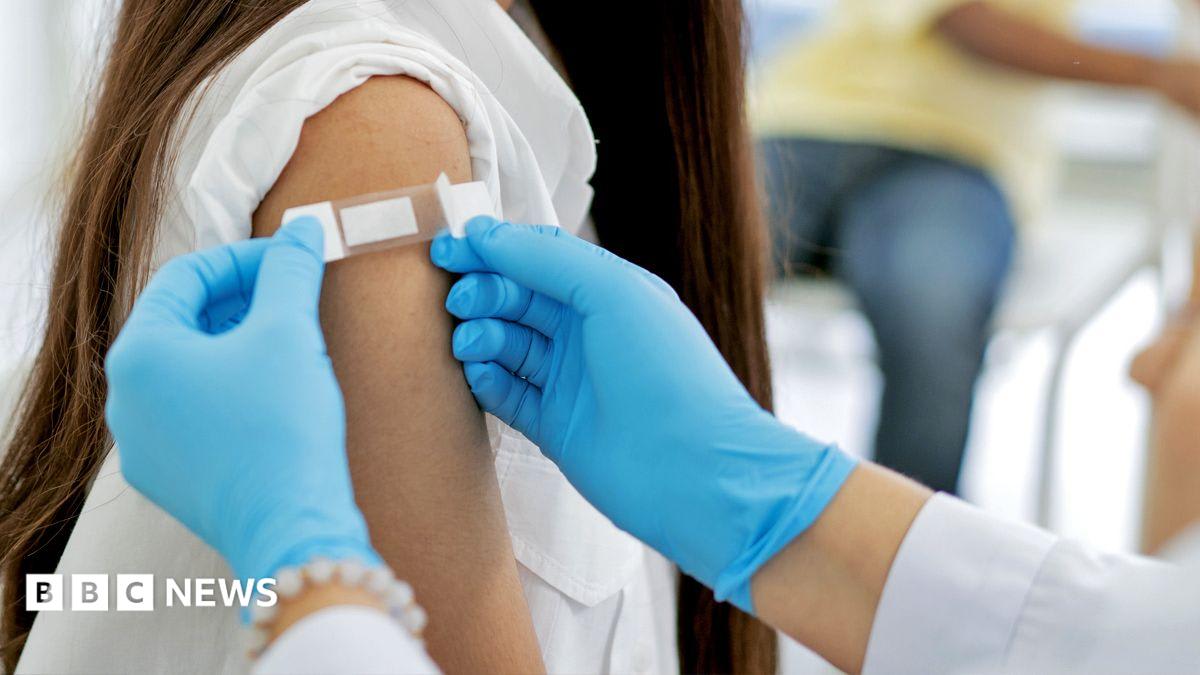
UK health experts are urging the government to provide free meningitis B vaccinations for teenagers aged 15 and older to enhance protection during a high-risk period of adolescence.
Experts Urge Expansion of Meningitis B Vaccination Program for UK Teens
In a significant push for public health reform, medical advisers in the United Kingdom are calling upon the government to extend the availability of the meningitis B (MenB) vaccine to teenagers starting from the age of 15. This recommendation aims to fill a critical gap in the current immunization schedule, ensuring that secondary school-aged individuals are routinely protected against a devastating bacterial infection that can progress with terrifying speed. The move reflects a growing consensus among health professionals that the current protection levels for adolescents are insufficient to prevent sporadic but severe outbreaks.
Understanding the Threat of Meningitis B
To understand the urgency of this recommendation, one must first understand the nature of the pathogen involved. Meningitis B is caused by Neisseria meningitidis serogroup B, a bacterium that can lead to meningitis (inflammation of the lining of the brain and spinal cord) and septicaemia (blood poisoning). Unlike some other forms of meningitis, MenB is particularly aggressive and can be difficult to diagnose in its early stages because its symptoms—such as fever, headache, and muscle pain—often mimic the flu. However, once the disease takes hold, it can lead to death within hours or leave survivors with lifelong complications, including brain damage, hearing loss, and the necessity of limb amputations due to sepsis.
Why the 15+ Age Group is Critical
The focus on teenagers aged 15 and older is not arbitrary; it is rooted in the social and biological realities of adolescence. This age group frequently engages in close-contact social behaviors—such as attending crowded parties, sharing bedrooms in university dormitories, or participating in team sports—which facilitate the transmission of the bacteria via respiratory droplets. Furthermore, the transition from secondary school to higher education or the workforce often coincides with a period where immune responses may shift, making the reinforcement of vaccination critical. By targeting this demographic, experts hope to create a stronger "buffer" of immunity within the community, reducing the overall transmission rate.
Addressing the Immunization Gap
Historically, the UK has been a leader in MenB vaccination, introducing the jab for infants to combat high rates of neonatal and toddler infections. However, the protection provided by infant vaccines does not always last into the late teens, and not all strains of the B serogroup are covered by a single shot. This creates a "protection gap" where teenagers become vulnerable just as they enter the highest-risk social environments. The advisers' call for routine secondary school vaccinations is designed to bridge this gap, ensuring that the immunity gained in infancy is bolstered or established for those who missed early doses.
The Socio-Economic Argument for Routine Vaccination
From a public health policy perspective, the argument for free vaccines extends beyond immediate clinical outcomes to long-term economic sustainability. While the upfront cost of procuring and administering vaccines to millions of teenagers is substantial, it is dwarfed by the astronomical costs associated with treating meningitis B survivors. The lifelong care required for individuals with severe brain damage or those requiring prosthetic limbs places a heavy burden on the National Health Service (NHS) and social care systems. Routine vaccination represents a proactive investment that prevents catastrophic health failures and preserves the quality of life for young citizens.
Implementation Challenges and Future Outlook
Implementing this recommendation will require a coordinated effort between the government, the NHS, and secondary school administrations. The logistics of school-based immunization programs are complex, requiring parental consent and dedicated medical staffing. However, the precedent set by the HPV and MenACWY vaccines suggests that such a rollout is entirely feasible. If the government adopts this advice, the UK could see a marked decrease in adolescent meningitis B cases, potentially serving as a model for other nations facing similar public health challenges.
Summary
The call for free MenB vaccines for 15-year-olds is a strategic move to protect a vulnerable adolescent population from a lethal disease. By recognizing the social risks inherent in teenage life and the waning efficacy of early childhood vaccines, UK experts are advocating for a preventive approach that saves lives and reduces the long-term burden on the healthcare system.