Uganda calls for travel restrictions to be lifted after last Ebola patient discharged
Source Entity
John Musenze in Kampala
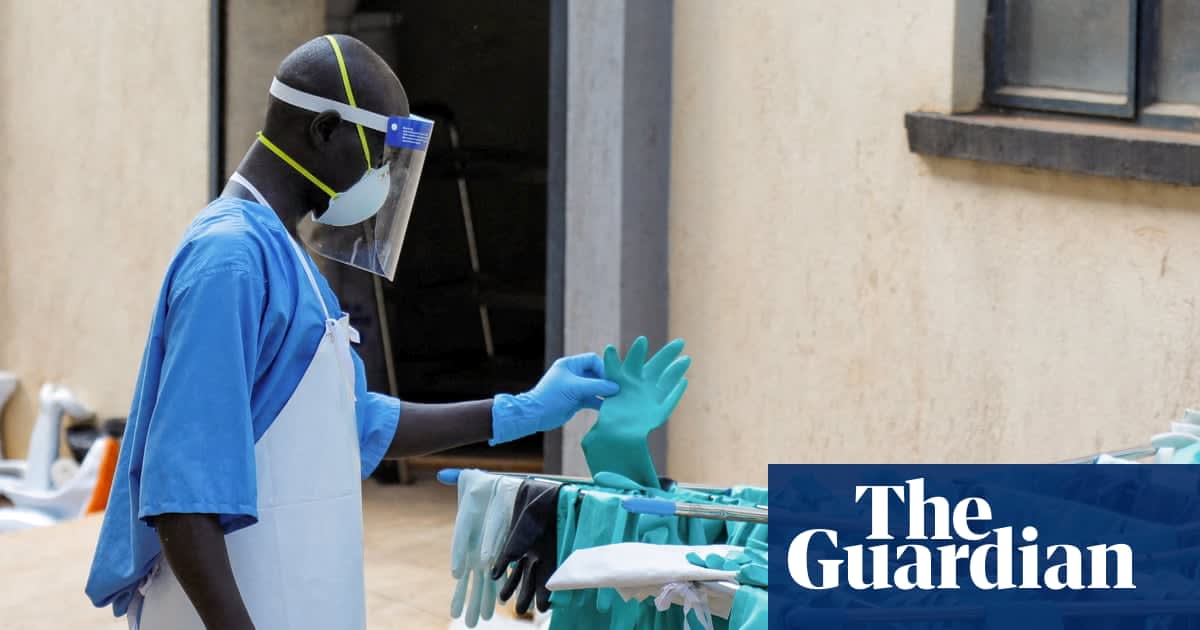
Uganda is lobbying international partners to lift travel restrictions after discharging its final confirmed Ebola patient from the Mulago national referral hospital. The country has now entered a critical 42-day monitoring period required by the WHO to be officially declared Ebola-free, even as the virus continues to spread in the neighboring Democratic Republic of the Congo.
Uganda's Path to Ebola Recovery: Balancing Health Security and Economic Stability
Uganda has reached a significant milestone in its battle against the Ebola virus with the discharge of the final confirmed patient from the isolation center at the Mulago national referral hospital in Kampala. The patient, a Congolese national, represents the final active case in the country, triggering a mandatory 42-day countdown. This period, stipulated by the World Health Organization (WHO), is essential to ensure that no new infections emerge before the country can be officially declared Ebola-free. This development marks a transition from active crisis management to a phase of cautious optimism and diplomatic lobbying.
The Science of the 42-Day Countdown
The 42-day window is not an arbitrary timeframe but is rooted in the biological reality of the Ebola virus. This duration covers the maximum known incubation period for the virus, ensuring that any individual who may have been exposed but remains asymptomatic will have developed symptoms and been identified. For the WHO to grant an official 'Ebola-free' status, the country must maintain a zero-case record throughout this entire window. This rigorous standard is designed to prevent premature declarations of victory, which could lead to a relaxation of surveillance and a subsequent resurgence of the virus.
Economic Implications and Diplomatic Lobbying
Following the discharge of the last patient, the Ugandan government has immediately begun lobbying other nations to lift travel restrictions. These restrictions, while intended to curb the international spread of the virus, often impose severe economic penalties on the affected nation. Travel bans disrupt regional trade, stifle tourism, and hinder the movement of essential personnel. For a country like Uganda, which relies heavily on cross-border commerce and international visitors, the removal of these barriers is critical for economic revitalization. The government's urgency reflects a need to signal to the global community that the risk is now localized and manageable.
The Regional Challenge: The DRC Factor
Despite Uganda's internal success, the broader regional context remains precarious. The report notes that Ebola cases continue to rise in the neighboring Democratic Republic of the Congo (DRC). The porous nature of the borders between Uganda and the DRC presents a constant risk of re-introduction. Because the last patient discharged was a Congolese national, it underscores the high volume of cross-border movement and the specific vulnerability of border communities. This dichotomy—Uganda moving toward eradication while the DRC struggles with an escalation—creates a complex public health environment where vigilance cannot be fully abandoned.
Strengthening Public Health Infrastructure
The role of the Mulago national referral hospital’s isolation center has been pivotal in this outbreak's containment. The ability to isolate and treat highly infectious patients in a centralized facility prevents community transmission and allows for specialized care. This event highlights the importance of investing in robust healthcare infrastructure and rapid response teams. The experience gained during this outbreak will likely inform Uganda's future pandemic preparedness strategies, emphasizing the need for early detection and aggressive isolation protocols to prevent localized clusters from becoming national epidemics.
Future Trends and Global Health Security
Looking forward, Uganda's experience serves as a case study in the 'One Health' approach, recognizing the interconnection between people, animals, and their shared environment. Future trends suggest that as deforestation and climate change increase human-wildlife interaction, the risk of zoonotic spillovers like Ebola will persist. Uganda will likely maintain enhanced surveillance at its borders with the DRC, utilizing digital health tracking and community-based reporting to ensure that any new case is identified instantly. The global community will continue to watch the 42-day window as a benchmark for how quickly a state can transition from an outbreak to recovery.
Summary
Uganda stands on the precipice of being declared Ebola-free, pending the successful completion of a 42-day WHO observation period. While the discharge of the final patient from Mulago hospital is a triumph of public health, the ongoing crisis in the DRC ensures that the threat remains regional. The Ugandan government's current focus on lifting travel restrictions highlights the intersection of health security and economic survival, emphasizing that the end of a medical crisis is often the beginning of an economic recovery effort.