Viruses do not respect borders. An expert explains how the world should prepare for their outbreaks
Source Entity
The Indian Express
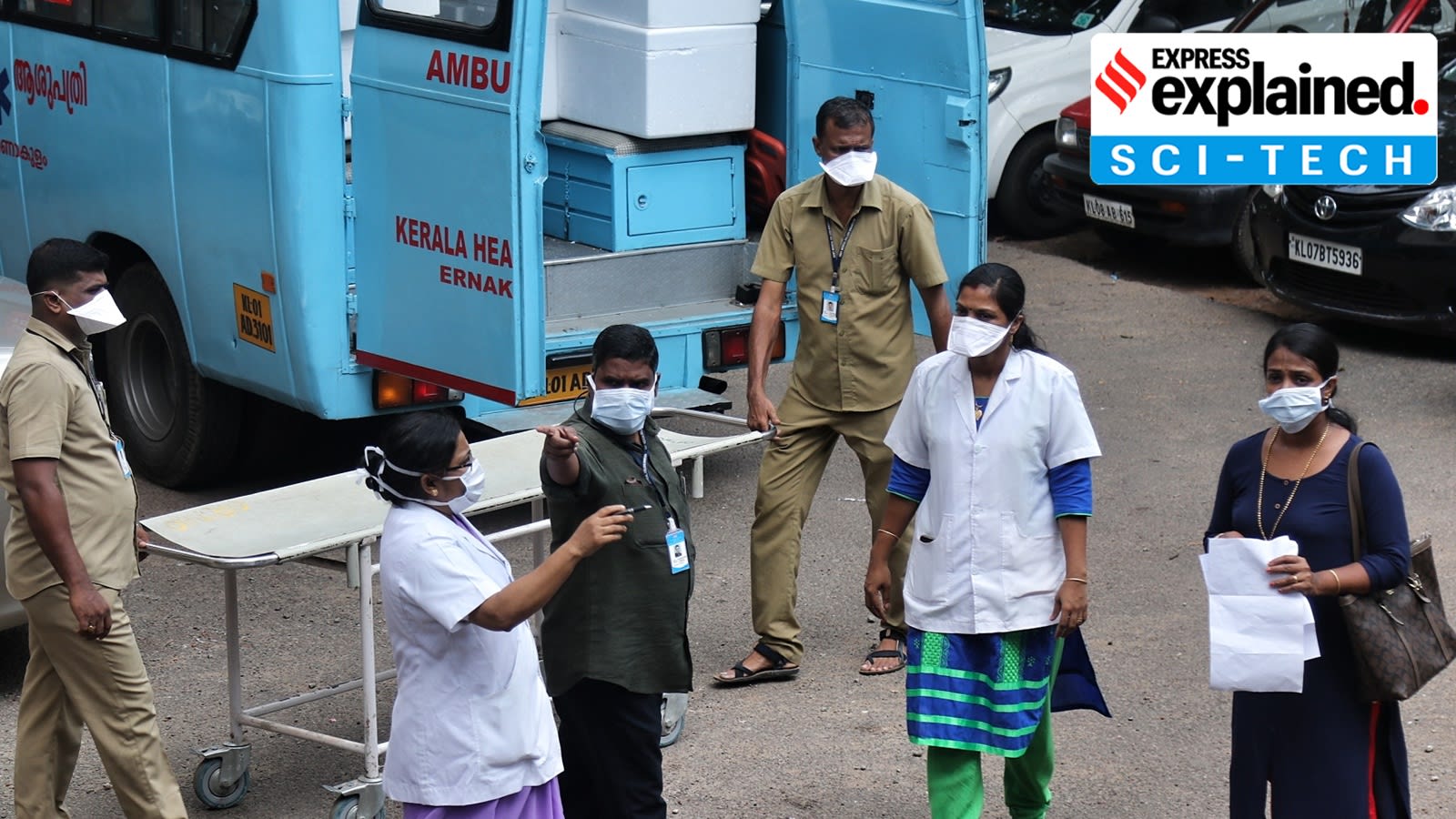
Expert Virander Singh Chauhan warns that zoonotic infections such as Ebola, hantavirus, and Nipah virus are becoming increasingly frequent, emphasizing that global health security requires a borderless, coordinated approach to pandemic preparedness.
The Borderless Threat: Analyzing Global Zoonotic Preparedness
In an era of unprecedented global connectivity, the biological reality that pathogens do not recognize national sovereignty has become a critical point of vulnerability. As highlighted by expert Virander Singh Chauhan, the recent emergence and recurrence of zoonotic infections—specifically Ebola, hantavirus, and the Nipah virus—signal a shift in the frequency and nature of viral outbreaks. These are no longer isolated incidents confined to remote jungles or specific rural clusters; they are symptoms of a broader ecological imbalance that threatens global health security. The core premise of Chauhan's analysis is that the traditional, nationalist approach to health security is obsolete because a virus emerging in one corner of the world can traverse the globe in a matter of hours.
The Escalation of Zoonotic Spillovers
Zoonotic infections occur when a pathogen jumps from a non-human animal host to a human. The mention of Ebola, hantavirus, and Nipah virus is particularly significant because these viruses often possess high fatality rates and complex transmission cycles. Historically, these events were rare, but the current trend indicates a dangerous increase in "spillover events." This escalation is largely driven by human encroachment into wildlife habitats, the expansion of urban areas into previously wild territories, and the intensification of livestock farming. When humans disrupt these ecosystems, they increase the probability of contact with reservoir hosts, such as bats or rodents, effectively creating "biological bridges" for viruses to enter the human population.
The Fallacy of Border-Based Containment
One of the most critical insights provided is the assertion that "viruses do not respect borders." For too long, global health strategies have relied on reactive containment—closing borders or implementing travel bans after an outbreak has already gained momentum. However, in a world defined by hyper-mobility and integrated supply chains, such measures are often too little, too late. The analysis suggests that by the time a virus is detected enough to justify border closures, it has likely already seeded itself in multiple international hubs. True preparedness requires moving away from "fortress health" and toward a model of transparent, real-time data sharing and collaborative surveillance that treats the entire planet as a single epidemiological unit.
Structural Requirements for Global Preparedness
To effectively prepare for future outbreaks, the global community must invest in a robust infrastructure of early warning systems. This includes the implementation of "One Health" strategies, which integrate human, animal, and environmental health monitoring. By tracking viral mutations in wildlife before they jump to humans, scientists can develop prototype vaccines and diagnostic tools in advance. Furthermore, the ability to respond quickly depends on the decentralization of manufacturing capabilities for vaccines and therapeutics, ensuring that low-income regions—where many zoonotic viruses first emerge—have immediate access to life-saving interventions rather than waiting for shipments from wealthy nations.
Predicting Future Viral Trends
Looking ahead, the trajectory of zoonotic threats is likely to be influenced by climate change, which forces species to migrate and interact in new ways, potentially creating new viral combinations. We are likely to see a rise in "Disease X" scenarios—outbreaks caused by previously unknown pathogens that could potentially cause pandemics. The frequency of Nipah and Ebola-like events will likely increase as deforestation continues in tropical belts. The transition from sporadic outbreaks to systemic threats suggests that the world is entering a period of "permanent pandemic risk," where the goal is no longer to prevent all outbreaks, but to build a societal resilience that can neutralize them before they reach a global scale.
Conclusion: A Mandate for Collective Action
Ultimately, the warnings provided by Virander Singh Chauhan serve as a call for a fundamental paradigm shift in how humanity views biological threats. The interdependence of the modern world means that the health of a citizen in a remote village is inextricably linked to the health of a citizen in a global metropolis. The only viable defense against the borderless nature of viruses is a borderless commitment to science, transparency, and mutual aid. Without a coordinated global framework for surveillance and response, the world remains precariously exposed to the next zoonotic leap, which could prove far more devastating than previous encounters.