'I can't afford to turn the oven on': 7.4m households struggling to buy essentials
Source Entity
BBC News
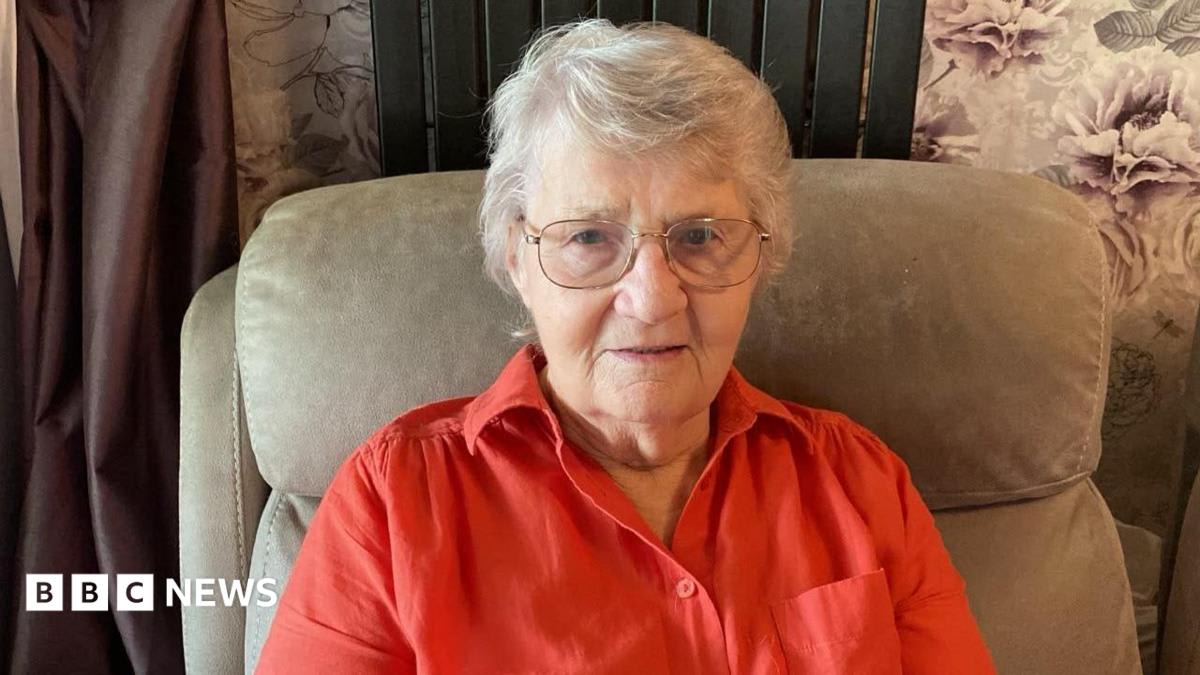
Millions of households are facing severe financial hardship, struggling to afford basic necessities like food and heating. Personal accounts from pensioners highlight the dire reality of rising costs and the impact on vulnerable individuals.
The Growing Crisis of Household Affordability
The current economic landscape has precipitated a severe crisis, with approximately 7.4 million households across the nation struggling to secure basic essentials such as food, clothing, and heating. This widespread financial instability, underscored by the promise of "breathing space" from figures like Andy Burnham, highlights a systemic failure to protect the most vulnerable members of society from inflationary pressures.
The Human Cost of Economic Strain
Personal narratives, such as that of 77-year-old Elaine Yates, serve as a harrowing reminder of the human cost of these statistics. For many, the cost-of-living crisis is not merely a matter of cutting back on luxuries; it is a fundamental shift in daily survival. Ms. Yates’s admission that she cannot remember the last time she used her oven exemplifies how energy poverty is forcing individuals to abandon hot meals, significantly impacting nutritional intake and quality of life.
Vulnerability in Rural Isolation
Living in rural Northamptonshire adds a layer of complexity to the financial burden. For individuals like Ms. Yates, who spent decades as a full-time carer for her husband, the loss of a partner often triggers a precarious financial decline. The reliance on private vehicles in rural areas—where public infrastructure is often sparse—creates a "poverty trap" where rising fuel costs consume a disproportionate share of limited pension incomes, leaving little room for groceries or utility bills.
The Multiplier Effect of Rising Costs
When fuel prices "rocket up," the ripple effects are felt immediately in the household budget. For a pensioner living alone, the car is often a lifeline for medical appointments and basic shopping, yet it becomes an unsustainable luxury. This creates a cycle of isolation and deprivation, as the financial strain forces individuals to retreat from social activities and reduce their consumption of essential goods to the bare minimum, such as toast or cereal.
Broader Implications and Future Trends
If current inflationary trends persist, the number of households unable to afford basic heating and nutrition is likely to climb. The reliance on energy-efficient appliances like air fryers, while a temporary adaptation, does not solve the underlying issue of stagnant income versus skyrocketing costs. Policy interventions must address both the immediate need for "breathing space" and the structural inequities that leave widowed pensioners and rural residents disproportionately exposed to economic volatility.
Conclusion
The situation described is a stark indicator of a deepening social crisis. With 7.4 million households currently struggling, the focus must shift from temporary relief to sustainable support systems that protect the dignity and health of the elderly and the economically disadvantaged. Addressing these challenges is not only an economic imperative but a moral one, ensuring that no individual is forced to choose between heating their home and feeding themselves.