UK money laundering suspect bought $100M in Trump crypto business: NYT
Source Entity
Cointelegraph by Turner Wright
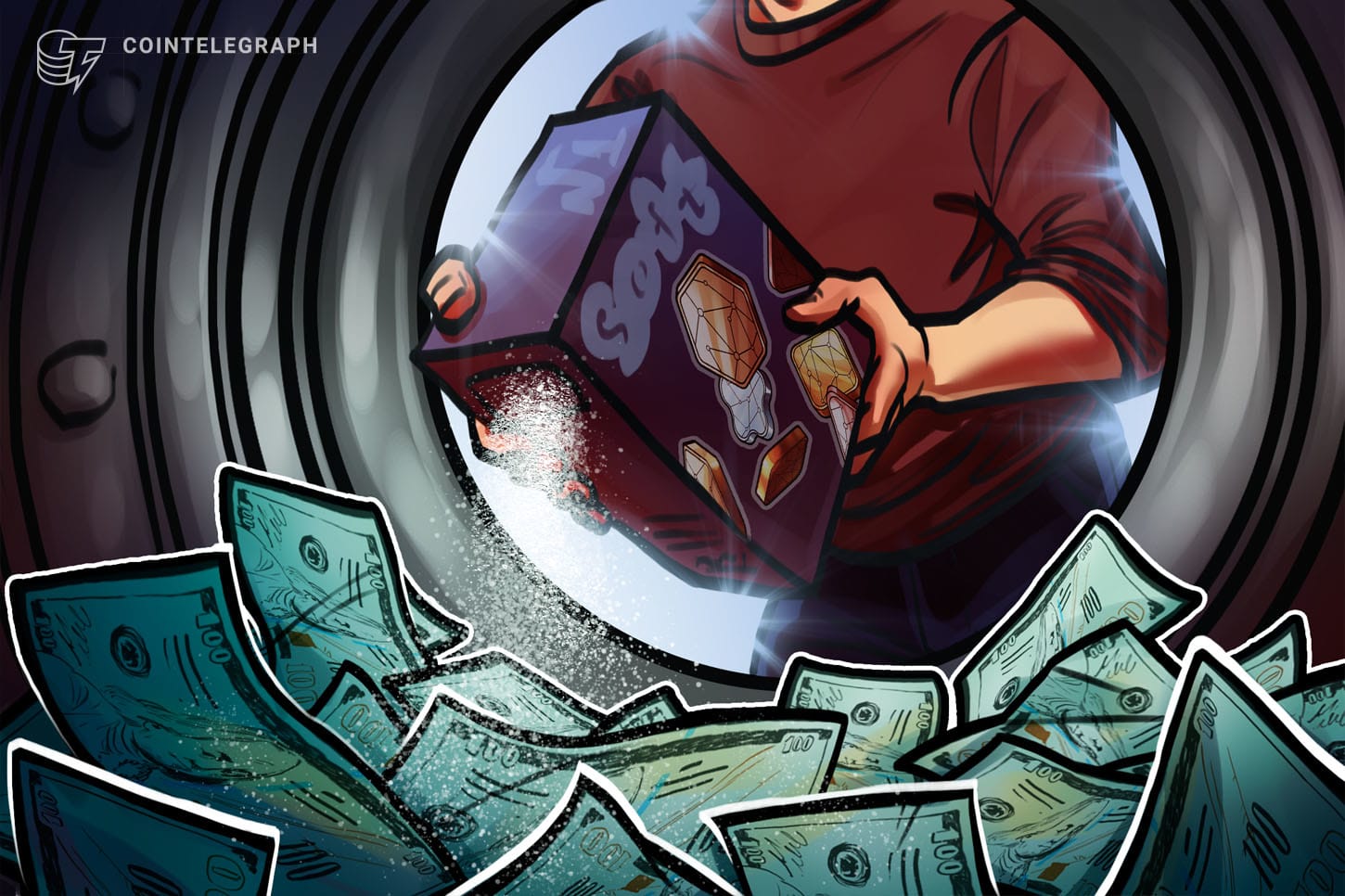
A report reveals that Guren Zhou, a businessman previously investigated for money laundering in the UK, purchased $100 million in World Liberty Financial tokens in 2025. This transaction has raised significant questions regarding the oversight and financial associations of the Trump-affiliated crypto project.
The Intersection of Crypto and High-Stakes Finance
A recent investigative report by the New York Times has brought to light a significant financial transaction involving World Liberty Financial (WLFI), a cryptocurrency venture co-founded by the Trump family and Zach Witkoff. The central focus of this revelation is the entity known as 'Aqua 1,' which executed a $100 million purchase of WLFI tokens in June 2025. This massive injection of capital into a project closely tied to the U.S. President’s family underscores the complex and often opaque nature of modern digital asset markets, where large-scale institutional or individual capital can move with minimal public scrutiny.
The Identity Behind Aqua 1
The investigation identifies Guren Zhou, also known as 'Bobby,' as the individual behind the Aqua 1 entity. Zhou, a businessman with documented ties to both the United Kingdom and the United Arab Emirates, has emerged as a key figure in this narrative due to his background. Reports indicate that Zhou was previously the subject of a money laundering investigation in the United Kingdom following the collapse of a prior cryptocurrency-related business. The involvement of such a figure in a high-profile U.S.-based crypto project raises critical questions regarding the due diligence protocols employed by World Liberty Financial during their token sales.
Financial Implications for Stakeholders
The $100 million purchase of WLFI tokens directly benefited members of the Trump family and co-founder Zach Witkoff. In the context of decentralized finance (DeFi) startups, early-stage token sales are often designed to provide liquidity and operational runway. However, when the primary purchasers have histories involving regulatory scrutiny, it casts a shadow over the legitimacy of the project’s funding model. This transaction highlights the tension between the push for financial innovation and the necessity of robust 'Know Your Customer' (KYC) and Anti-Money Laundering (AML) standards, which are often less stringent in the burgeoning crypto sector than in traditional banking.
Regulatory and Reputational Risks
The broader implications of this event center on the potential for reputational risk and future regulatory intervention. Given the political profile of the Trump family, any association with individuals previously investigated for financial crimes creates a significant vulnerability. Regulators globally are increasingly focused on the use of cryptocurrencies as vehicles for illicit financial flows. If the funds utilized in the Aqua 1 transaction are found to have been sourced from activities linked to the aforementioned UK investigation, it could trigger comprehensive inquiries into the governance of World Liberty Financial.
Future Trends in Digital Asset Oversight
This incident serves as a bellwether for the future of the crypto industry. As digital assets become more integrated into the portfolios of high-net-worth individuals and political figures, the demand for transparency will only intensify. We can expect to see a shift toward stricter regulatory requirements, where even private token sales may eventually be subject to the same level of auditing as public securities. The World Liberty Financial case will likely become a case study in why decentralized finance platforms must move beyond the 'code is law' mentality and adopt rigorous, human-led compliance frameworks to protect their stakeholders and their long-term viability.