Why did MPs reject the assisted dying bill?
Source Entity
BBC News
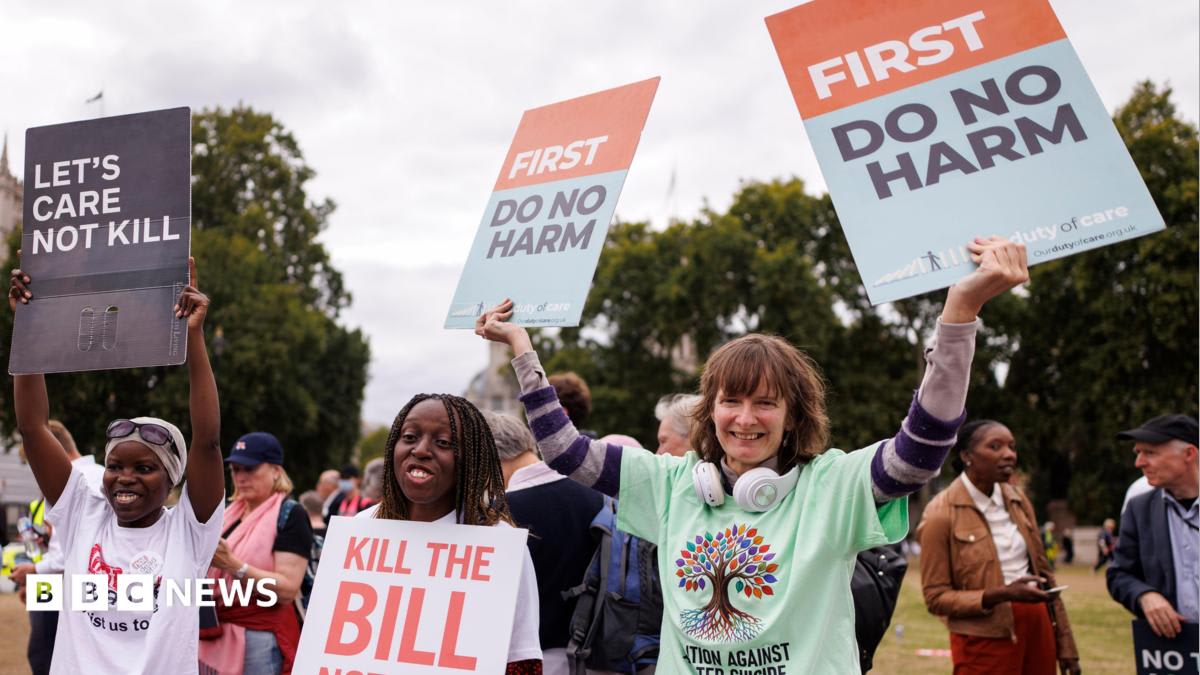
The UK House of Commons has rejected the Terminally Ill Adults (End of Life) Bill by a vote of 286 to 270. This defeat halts immediate legislative efforts to legalize assisted dying in England and Wales, signaling a cooling of parliamentary momentum.
The Legislative Defeat of Assisted Dying in the UK
A Shift in Parliamentary Sentiment
In a significant legislative development, the UK House of Commons has voted to reject the Terminally Ill Adults (End of Life) Bill. The proposal, which sought to permit adults with fewer than six months to live to seek medical assistance to end their lives under strict safeguards, was defeated by a margin of 16 votes—286 against to 270 in favor. This outcome marks a notable reversal in momentum, particularly given that the Commons had previously shown support for similar measures in earlier sessions.
The Erosion of Consensus
Observers noted a distinct change in the atmosphere of the chamber compared to the 2024 debate initiated by Kim Leadbeater. While the initial discussions were characterized by a somber and respectful tone, the recent proceedings were described as tetchy and embittered. This shift reflects the intense emotional and ethical polarization surrounding the issue, as the repeated nature of these debates has seemingly hardened positions rather than fostering a path toward consensus.
Legislative Hurdles and Public Policy
The proposed bill represented one of the most substantial potential societal shifts in recent British history. By failing to clear the Commons, the legislation is now effectively halted, ruling out any immediate changes to the current legal framework governing end-of-life care in England and Wales. The transition from previous support to current rejection highlights the difficulty of navigating complex moral legislation through a modern, divided parliament.
The Impact of Procedural History
This latest defeat is particularly striking when viewed against the backdrop of recent parliamentary history. After having twice signaled support for the principle of assisted dying, the sudden rejection suggests a growing apprehension among lawmakers regarding the practical implementation and long-term societal implications of such a law. The stalling of previous iterations in the House of Lords had already created a difficult path for the legislation, but this direct rejection by the Commons marks a more definitive end to the current effort.
Future Outlook and Societal Implications
While supporters of the bill have expressed their intention to continue advocating for legislative change, the immediate future for assisted dying in the UK remains stagnant. The outcome of this vote serves as a reflection of the profound societal debate concerning bodily autonomy, the role of the state in end-of-life decisions, and the protection of vulnerable individuals. As the legislative momentum fades for now, the focus will likely shift back to how current palliative care systems can be improved to address the concerns raised by both sides of this deeply emotive issue.
Multiple Citing Sources