MPs vote against fresh attempt to legalise assisted dying
Source Entity
BBC News
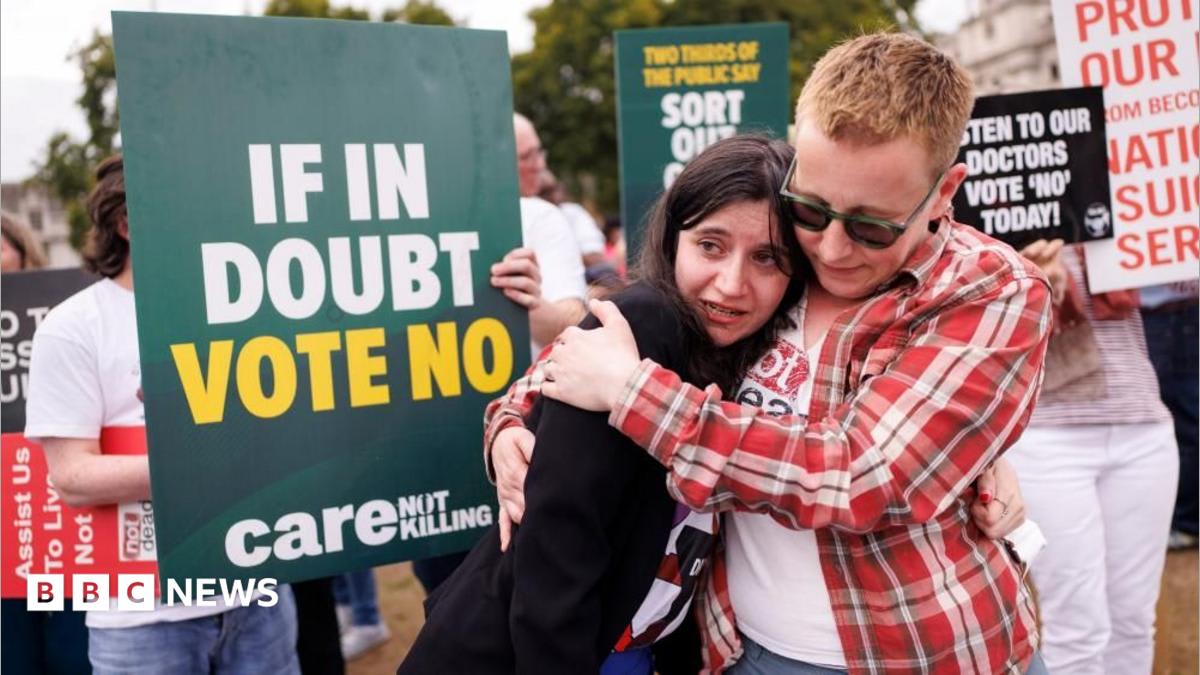
The UK House of Commons has rejected the Terminally Ill Adults (End of Life) Bill by a narrow margin of 16 votes. This defeat halts legislative efforts to legalize assisted dying in England and Wales for the foreseeable future.
The Legislative Defeat of Assisted Dying
The House of Commons has definitively rejected the Terminally Ill Adults (End of Life) Bill, marking a significant setback for proponents of legislative reform. By a margin of 286 to 270, MPs voted against the proposal that would have permitted adults diagnosed with fewer than six months to live to seek assistance in ending their lives. This result effectively terminates the current legislative push to alter the legal landscape surrounding end-of-life care in England and Wales.
A Shift in Parliamentary Sentiment
This vote represents a notable departure from recent parliamentary trends. In the previous session, a similar bill introduced by Kim Leadbeater had garnered support, raising expectations that a change in the law was imminent. The current rejection highlights how quickly momentum can shift within the chamber. While the 2024 debates were characterized by a somber and respectful tone, the recent proceedings were marked by increased irritation, bitterness, and emotional intensity, reflecting the deep societal divide on this sensitive issue.
The Mechanics of the Proposed Bill
Under the rejected legislation, the path to assisted dying was intended to be strictly regulated. The bill proposed that only individuals with a terminal diagnosis—specifically those with less than six months of life expectancy—would be eligible to apply for assistance. The framework included specific safeguards designed to prevent abuse and ensure that the decision-making process for the patient was both informed and voluntary. Despite these proposed protections, the House remained unconvinced, prioritizing concerns over the potential broader societal implications.
The Impact of Recurring Debates
This vote marks the third time the Commons has addressed the topic of assisted dying in a relatively short period. The recurring nature of these debates has clearly taken a toll on the legislative atmosphere. While supporters of the bill have expressed their intention to revisit the issue, the immediate consequence of this vote is the cessation of any short-term legal change. The vocal reaction in the chamber—ranging from gasps to cheers—underscores the highly polarized nature of the ethical arguments involved.
Broader Implications and Future Outlook
For now, the status quo remains unchanged, and the prospect of legalizing assisted dying in England and Wales is off the table. The failure of this bill suggests that while there is significant public and parliamentary interest in the topic, the threshold for legislative change remains exceptionally high due to the profound moral and ethical weight of the subject. Future efforts will likely face the same scrutiny, as the House continues to grapple with balancing individual autonomy against the potential risks to vulnerable populations.
Multiple Citing Sources