The White House calls Truth Social the ‘most powerful and popular’ social media platform
Source Entity
Emma Roth
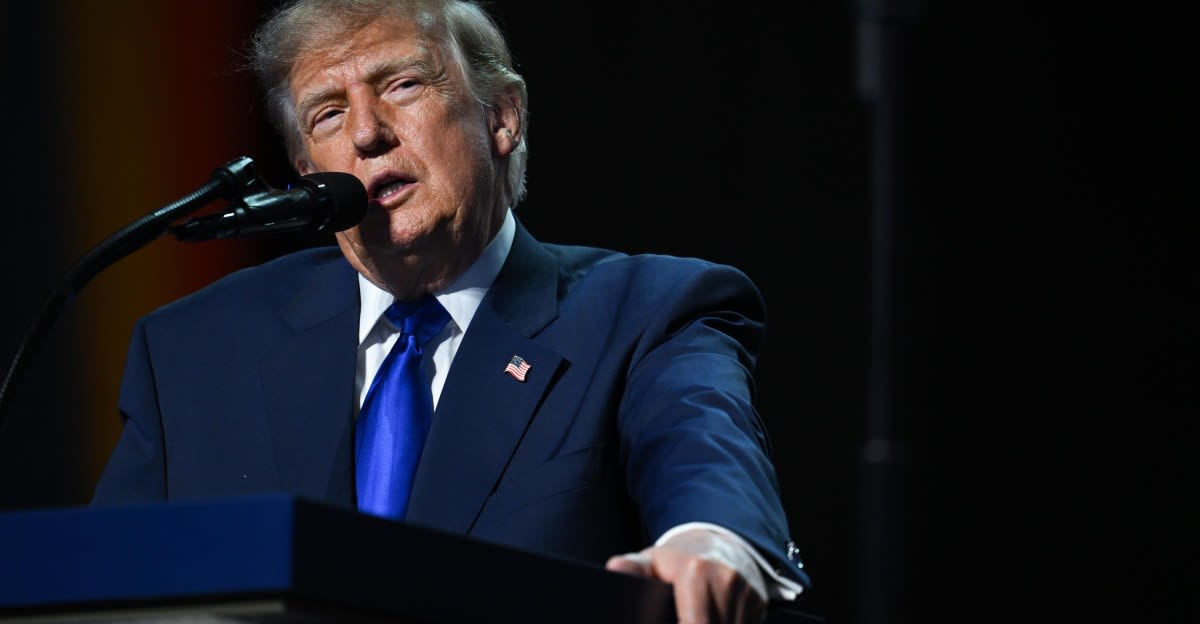
The White House has controversially labeled Truth Social as the world's most popular social media platform. This claim starkly contradicts global user data which ranks platforms like YouTube and Facebook significantly higher.
The White House’s Bold Claim on Truth Social
In a surprising development, White House spokesperson Davis Ingle has officially characterized Truth Social, the social media platform owned by Donald Trump, as the 'most powerful and popular' platform in the world. This assertion, delivered in a statement to The New York Times, represents a significant departure from conventional metrics used to evaluate digital influence and audience reach. By positioning a nascent platform at the top of the global hierarchy, the administration has ignited a debate regarding the interpretation of 'influence' versus raw user engagement.
Contradicting Global Data
The claim stands in stark contrast to empirical data provided by industry analysts. According to information gathered by Search Engine Land, the global social media landscape is dominated by established giants. YouTube currently leads the market with an estimated 2.65 billion monthly active users, followed closely by Facebook with 2.39 billion, and TikTok with 2.21 billion. These figures demonstrate a massive gulf between the world’s most-trafficked sites and Truth Social, which has yet to reach a comparable scale of global penetration.
Defining 'Power' in the Digital Age
When the White House labels a platform as 'powerful,' it may be prioritizing political impact over sheer user numbers. In the context of American political discourse, Truth Social serves as a dedicated megaphone for Donald Trump and his core constituency. While it lacks the broad, multi-generational user base of platforms like Instagram or Facebook, its power is derived from its concentrated influence on specific political narratives and its role as a primary communication channel for a former president.
The Intersection of Politics and Tech Metrics
This discrepancy highlights the growing friction between traditional technology metrics—which rely on monthly active users (MAUs) and engagement time—and the political utility of digital spaces. By elevating Truth Social, the administration is effectively redefining success in the social media era, suggesting that 'power' is measured by the ability to command public attention and drive political cycles rather than by the volume of daily logins or ad revenue.
Broader Implications for Social Media
The situation underscores a fragmented digital ecosystem where political polarization influences how platforms are perceived. As the White House reinforces the legitimacy of Truth Social, it challenges the dominance of Silicon Valley incumbents. This rhetoric may signal a shift in how political entities validate digital infrastructure, moving away from neutral market metrics and toward platforms that align with specific ideological frameworks.
Future Trends and Conclusion
Looking forward, the tension between official government statements and objective industry data is likely to persist. As social media platforms become increasingly specialized, the definition of a 'popular' platform will continue to be contested. While Truth Social may never match the user counts of legacy platforms like Facebook or YouTube, its status as a potent political tool ensures it will remain a central point of contention in the ongoing debate over digital power and influence.