Faisal Islam: The UK's Trump trade deal no longer looks world-beating
Source Entity
BBC News
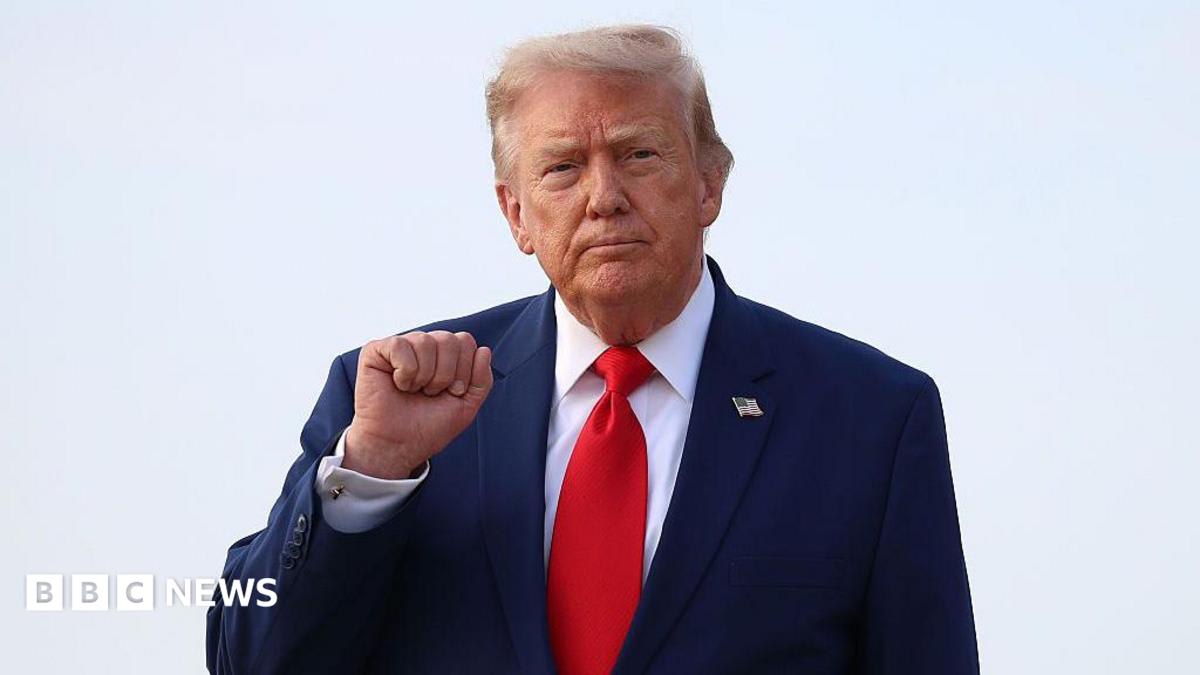
President Trump's evolving tariff strategy against trade allies now centers on forced labor accusations to justify new levies. The UK faces a diminished trade outlook as other nations secure more favorable terms, complicating post-Brexit economic objectives.
The Shifting Landscape of US-UK Trade Relations
President Donald Trump’s approach to international trade has undergone a significant transformation, moving from broad protectionist rhetoric toward highly specific, targeted justifications for tariff implementation. As the administration seeks to shield the American market, the rationale for these levies has shifted from traditional economic protectionism toward complex moral and social arguments, most notably the recent focus on goods produced via forced labor. This pivot represents a departure from standard trade negotiation norms and places allies, including the United Kingdom, in a precarious diplomatic position.
The Proliferation of Tariff Justifications
Throughout his tenure, President Trump has cycled through a diverse array of reasons to justify the erection of tariff walls. These have ranged from addressing the opioid crisis and curbing illegal migration to the ambitious goal of reshoring American manufacturing. Each month brings a new narrative intended to validate these trade barriers, a process often described by industry analysts as "tariffs in search of an authority." This constant state of flux makes it exceptionally difficult for international partners to predict the regulatory environment of the United States, as the legal and economic foundations for these tariffs remain unstable.
Implications for the United Kingdom
For the United Kingdom, the current trade landscape is increasingly concerning. While the specific US tariffs imposed on British goods have remained relatively stagnant, the relative value of the UK's trade position has deteriorated. As other nations successfully negotiate better terms or navigate the US tariff regime more effectively, the UK finds itself in a position where its anticipated "world-beating" trade deal with the US is losing its luster. The initial optimism surrounding a post-Brexit special trade relationship is being tempered by the reality of an American administration that prioritizes domestic manufacturing goals above historical alliances.
The Forced Labor Narrative
The latest strategy involving allegations of forced labor serves as a potent tool for the administration to bypass traditional economic pushback. By framing tariffs through the lens of human rights and labor standards, the US government creates a moral imperative that is difficult for trading partners to challenge in court. However, these accusations have been met with skepticism from industry experts who view them as a convenient mechanism to impose protectionist measures under the guise of ethical trade policy. This development threatens to complicate existing supply chains and forces the UK to align its regulatory standards with an increasingly demanding and unpredictable US trade policy.
Future Trends and Economic Outlook
Looking ahead, the volatility of US trade policy suggests that the UK must diversify its trade partnerships rather than relying solely on a potential US deal. The reliance on shifting justifications for tariffs implies that as long as the US government remains focused on bringing manufacturing back to its shores, no trade partner is truly safe from potential levies. The UK’s challenge lies in balancing its desire for a robust American trade deal with the need to maintain its own sovereignty and international labor standards. Ultimately, the "world-beating" trade deal once envisioned now appears to be a relic of a more predictable era of international cooperation.