Sunbed firms must not downplay cancer risk, says watchdog
Source Entity
BBC News
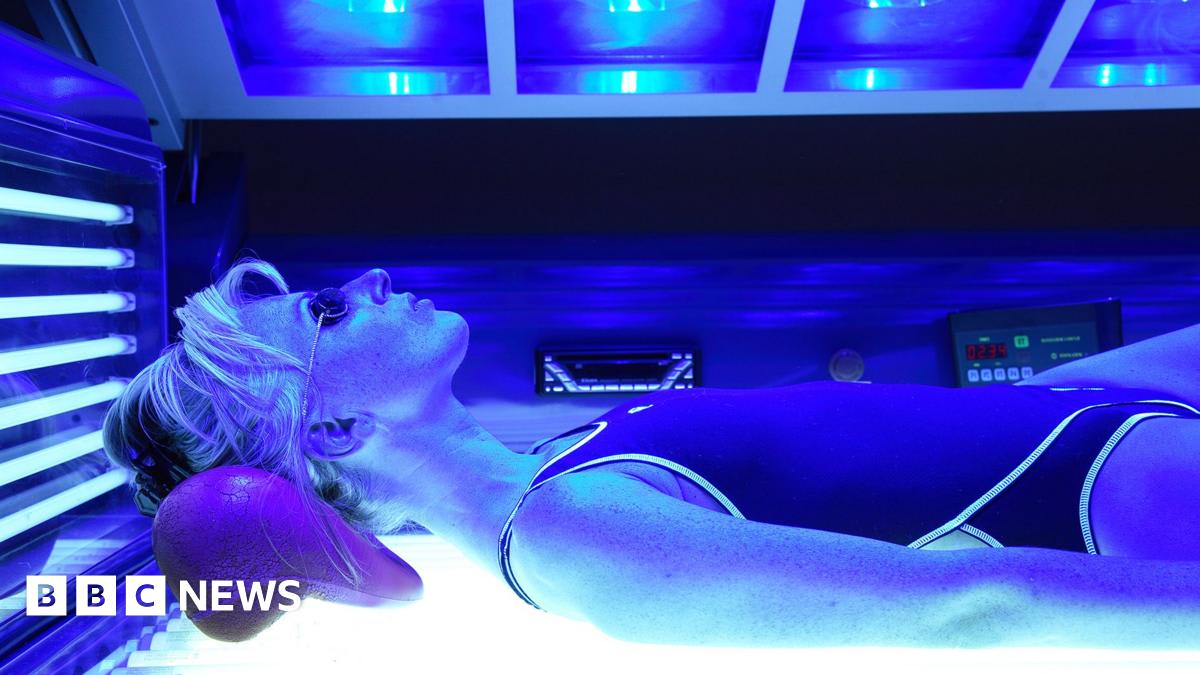
The UK's advertising watchdog has launched a crackdown on tanning salons, banning misleading claims that sunbeds are safe or medically beneficial. This enforcement follows a surge in social media misinformation promoting sunbeds for mental health and skin conditions.
Tanning Industry Under Scrutiny: The Fight Against Misleading Claims
The UK’s Committee for Advertising Practice (CAP) has initiated a decisive enforcement crackdown on the tanning industry, targeting companies that minimize the health risks associated with sunbed usage. By issuing a nationwide enforcement notice, the regulator is mandating that businesses immediately cease any marketing tactics that characterize sunbeds as 'safe' or suggest they serve as viable treatments for medical ailments. This regulatory intervention serves as a critical pushback against a growing trend of health-related misinformation in the beauty and wellness sector.
The Rise of Digital Misinformation
This regulatory action was catalyzed by recent investigations, including reports by the BBC, which uncovered an alarming proliferation of social media content. Hundreds of videos have been circulating online, erroneously claiming that artificial tanning can boost energy levels, alleviate mental health struggles, and effectively treat various skin conditions. These claims are not only scientifically unsupported but are considered dangerous by dermatological experts, as they encourage the usage of UV-emitting devices under the guise of health optimization.
Scientific Consensus vs. Marketing Tactics
For decades, the global medical community has maintained that UV radiation from sunbeds is a significant risk factor for skin cancer. By prohibiting firms from downplaying these hazards, the CAP is attempting to realign industry messaging with established scientific reality. The watchdog’s stance is clear: marketing efforts must not obfuscate the inherent dangers of artificial tanning, regardless of the aesthetic or perceived lifestyle benefits promoted by salon operators.
Industry Response and Regulatory Balance
The Sunbed Association, representing a significant portion of UK tanning salons, has publicly aligned itself with the CAP’s initiative. By supporting the crackdown, the association aims to distance reputable, responsible businesses from rogue advertisers who capitalize on health myths. However, the tension remains between the industry's desire to demonstrate professional operational standards and the regulator's mandate to ensure that public health is not compromised by deceptive advertising practices.
Broader Implications for Wellness Marketing
This enforcement action signifies a broader trend in UK advertising regulation, where authorities are increasingly scrutinizing the 'health-washing' of beauty services. As consumers turn to social media for health advice, the influence of unregulated influencers and aggressive marketing has created a public health challenge. Future trends suggest that regulators will continue to tighten oversight on platforms where 'wellness' claims are used to sell potentially harmful services, placing a higher burden of proof on advertisers to substantiate their claims with rigorous scientific evidence.
Conclusion: A Safer Path Forward
The CAP’s intervention is a necessary step in protecting the public from the long-term health consequences of misleading advertising. By forcing the tanning industry to confront the realities of UV exposure, the watchdog is prioritizing public health over commercial gain. Moving forward, the industry must adapt to a more transparent and evidence-based communication model to maintain public trust and regulatory compliance.