Weekend cooldown to mark end of heatwave for some
Source Entity
BBC News
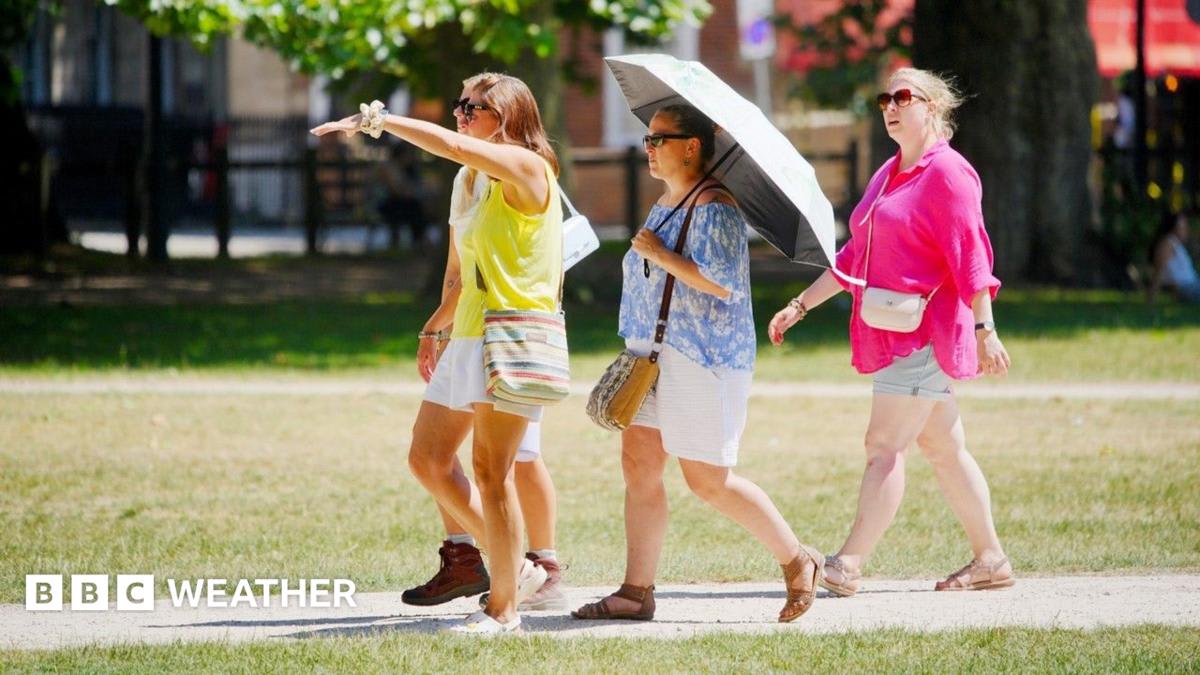
A heatwave is coming to an end for parts of the United Kingdom, with temperatures expected to drop significantly over the weekend in Scotland, Northern Ireland, and northern England.
Relief in Sight: The Conclusion of the Regional Heatwave
After a period of sustained high temperatures that have challenged residents and infrastructure across the United Kingdom, a significant meteorological shift is underway. The arrival of a weekend cooldown is set to bring much-needed relief to several regions, specifically targeting Scotland, Northern Ireland, and northern England. This transition marks the end of a heatwave that has seen temperatures climb well above seasonal norms, creating a period of environmental and physical stress for the affected populations.
The Mechanics of the Cooldown
From a meteorological perspective, the end of a heatwave in the UK typically involves a shift in the jet stream or the movement of a high-pressure system that had previously trapped warm air over the British Isles. In this instance, the projected fall of several degrees suggests the arrival of a cooler air mass, likely originating from the North Atlantic. This atmospheric transition is critical for restoring equilibrium to the local climate, reducing the risk of heat-related illnesses and easing the pressure on urban centers that often suffer from the 'urban heat island' effect, where concrete and asphalt retain heat far longer than rural landscapes.
Regional Impact and Distribution
While the cooldown is widespread, its effects are most pronounced in the northern latitudes. Scotland, Northern Ireland, and northern England are the primary beneficiaries of this shift. These regions often experience more volatile weather patterns, and the rapid drop in temperature serves as a stark reminder of the UK's maritime climate. For these areas, the transition from a heatwave to a cooldown often involves increased cloud cover and a higher probability of precipitation, which further assists in lowering surface temperatures and hydrating soil that may have been parched during the peak of the heat.
Broader Implications for Public Health and Infrastructure
Heatwaves in Northern Europe present unique challenges because the infrastructure is historically designed to retain heat rather than dissipate it. Residential housing in Scotland and northern England, for example, is often built for warmth, making extreme heat particularly oppressive. The end of this heatwave reduces the immediate burden on the National Health Service (NHS), as heat-related admissions—such as dehydration and heatstroke—typically spike during these events. Furthermore, the cooldown mitigates the risk of wildfires in rural areas and reduces the thermal stress on rail networks, where tracks can buckle under extreme heat.
Historical Context and Future Trends
This event fits into a broader, concerning trend of increasing temperature volatility across Northern Europe. Historically, heatwaves of this intensity were rarer in the northern reaches of the UK. However, recent years have seen a rise in 'extreme weather events' linked to global climatic shifts. The pattern of intense heat followed by rapid cooldowns suggests a more unstable atmosphere. As the climate continues to evolve, these regions may see a higher frequency of these cycles, necessitating a shift in how urban planning and public health strategies are implemented to protect vulnerable populations during both extremes.
Conclusion
In summary, the upcoming weekend cooldown represents a vital reprieve for millions of people across Scotland, Northern Ireland, and northern England. While the immediate focus is on the relief provided by falling temperatures, the event underscores the increasing variability of the UK's weather patterns. As the region moves out of this heatwave, the focus will likely shift toward managing the transition back to seasonal norms and preparing for the inherent unpredictability of the coming months.