US company’s AI lets Ukraine’s cheap kamikaze drones track targets on their own
Source Entity
Jeremy Hsu
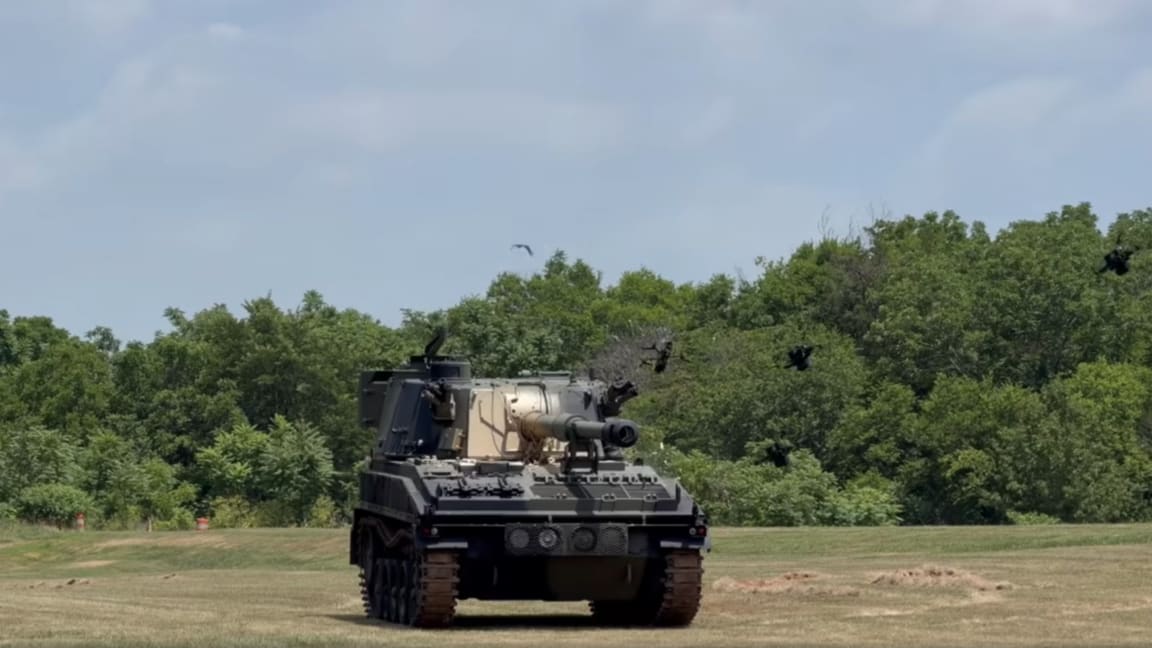
Ukraine is integrating US-developed AI from Auterion into its $400 Shrike kamikaze drones to enable autonomous target tracking. This $100 million initiative aims to upgrade 50,000 drones, significantly increasing their lethality against Russian armored vehicles and aircraft.
The Evolution of Autonomous Warfare in Ukraine
The ongoing conflict in Ukraine has served as a crucible for modern military innovation, particularly regarding the use of low-cost, expendable unmanned aerial systems. The integration of Auterion’s Skynode S strike kits into the Ukrainian-manufactured Shrike FPV (first-person view) drones represents a significant leap in tactical capability. By equipping a $400 drone with advanced AI, the Ukrainian military is effectively neutralizing the traditional challenges of manual flight, such as signal jamming and pilot fatigue.
Bridging the Gap Between Human and Machine
The core of this technological transition lies in the shift from purely manual control to semi-autonomous engagement. Under the current operational model, a human pilot navigates the drone into the theater of operations. Once the target is acquired within a half-mile radius, the operator can engage the AI system to lock onto the objective. This 'flip the switch' capability ensures that even if the drone encounters electronic warfare interference—a common occurrence on the front lines—the onboard computer continues to track the target autonomously.
Strategic Implications of the $100 Million Deal
The procurement of 50,000 units through this $100 million agreement signals a scaling of asymmetric warfare strategies. By retrofitting low-cost, mass-produced drones with sophisticated US-developed artificial intelligence, Ukraine is creating a cost-effective solution to engage high-value military assets, such as armored vehicles and helicopters. This strategy challenges the traditional military-industrial paradigm, where expensive platforms were historically required to destroy expensive targets.
Countering Electronic Warfare
Electronic warfare (EW) has been a persistent hurdle for drone operators in the conflict, with Russian forces frequently deploying jamming technologies to sever the link between the pilot and the drone. The Auterion AI system mitigates this risk by reducing the reliance on a continuous data link during the terminal phase of the flight. By allowing the drone to 'home in' on a designated target without further human input, the system ensures a higher success rate for strikes in contested environments.
Future Trends in Autonomous Drone Warfare
This partnership between SkyFall and Auterion underscores a growing trend toward the democratization of precision-guided munitions. As AI hardware becomes smaller, cheaper, and more efficient, the battlefield will likely see an increase in 'swarming' capabilities, where multiple autonomous units coordinate to overwhelm defensive systems. The rapid deployment of these 50,000 units will likely serve as a benchmark for how future conflicts integrate off-the-shelf commercial technology with specialized military software.
Conclusion
The deployment of AI-enhanced Shrike drones marks a transformative moment in the Ukraine-Russia conflict. By successfully marrying affordable hardware with high-end autonomy, the Ukrainian military is enhancing its ability to conduct precision strikes in high-threat environments. As these 50,000 units enter the field, the tactical landscape will continue to shift toward greater reliance on machine-assisted targeting and decentralized, autonomous drone operations.