Ukraine Drone Attack Sets Fire Atop Liberian-Flagged Oil Tanker With All Indian Crew
Source Entity
NDTV News Search Records Found 1000
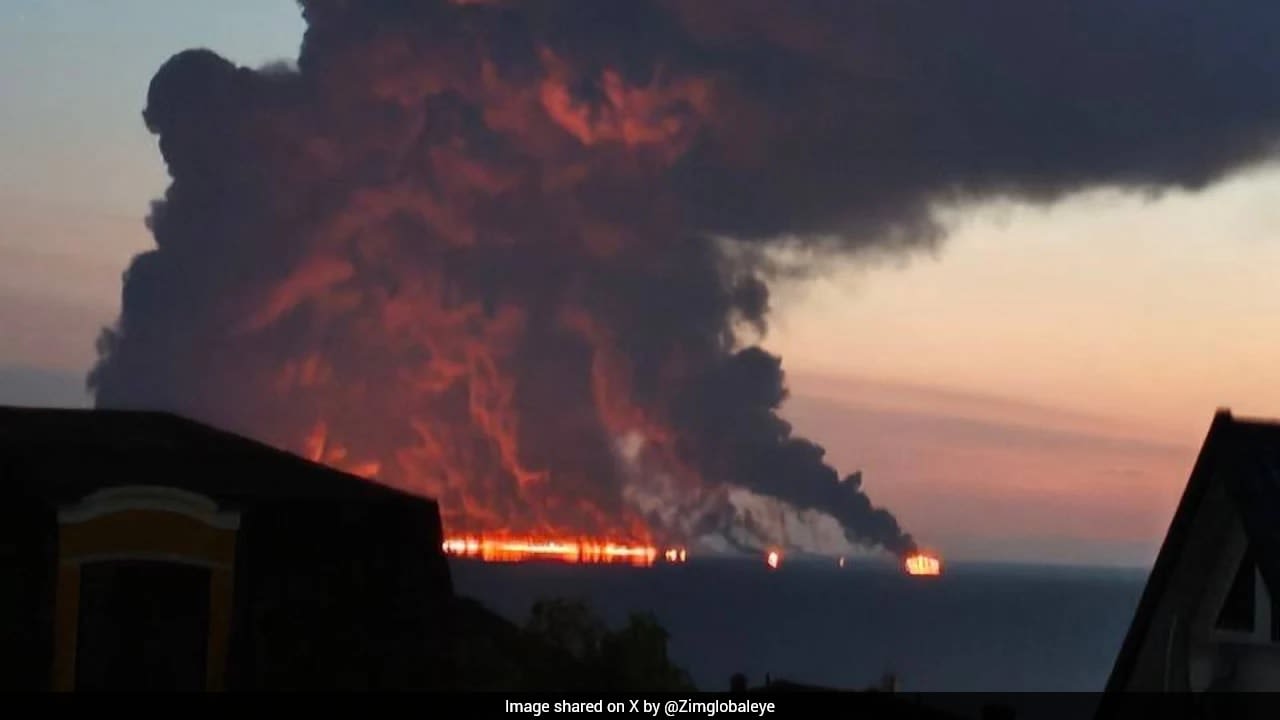
A Ukrainian drone strike hit a Liberian-flagged oil tanker near Sochi, causing a major fire and environmental safety concerns. All 23 Indian crew members were successfully rescued, highlighting the intensifying risks to commercial shipping in the Black Sea.
The Escalating Risks of Black Sea Maritime Security
The recent attack on the Liberian-flagged oil tanker Aframax Rio off the coast of Sochi marks a significant escalation in the ongoing conflict between Ukraine and Russia. By targeting a commercial vessel in the Black Sea, the use of unmanned naval drones signals a shift toward more aggressive maritime interdiction tactics. This incident, which resulted in a massive fire and dense smoke plumes, highlights the vulnerability of global commercial shipping lanes to the volatility of regional geopolitical warfare.
Impact on Maritime Personnel and Safety
While the outcome for the 23 Indian nationals aboard the tanker was fortunate—with all crew members confirmed rescued and uninjured—the incident underscores the extreme danger posed to civilian mariners operating in contested waters. The rescue operation, conducted under the shadow of burning crude oil, reflects the immediate operational risks faced by international shipping companies that continue to navigate near the Russian Black Sea coast. The safe evacuation of the crew serves as a critical point of relief, but it also raises questions regarding the sufficiency of safety protocols for commercial vessels in conflict zones.
Environmental and Regional Consequences
Beyond the human element, the open burning of crude oil in the Black Sea presents a significant environmental hazard. The closure of beaches in the Sochi area and the necessity for authorities to monitor air and water quality demonstrate the immediate local impact of such strikes. These environmental threats are likely to persist, as the region grapples with the fallout of the blaze and the potential for long-term ecological damage to the coastal ecosystem.
Geopolitical Implications and India's Stance
India’s involvement, through its concern regarding the safety of its nationals, underscores the broader international stakes. As a major player in the global maritime labor market, India is increasingly sensitive to the safety of its seafarers caught in global conflicts. This attack likely forces a re-evaluation of diplomatic and security considerations for nations with citizens serving on vessels operating in or near the Black Sea, as the regional theater becomes increasingly hazardous.
Future Trends in Naval Warfare
This incident is symptomatic of the broader trend of both Russia and Ukraine escalating strikes in recent weeks. The reliance on cost-effective, unmanned naval drone technology allows for precise, long-range strikes against high-value targets. As these technologies proliferate, commercial vessels may find themselves increasingly caught in the crossfire of asymmetric naval warfare. Future trends suggest that shipping insurance premiums for vessels in the Black Sea will likely surge, and maritime corridors may face further restrictions as nations attempt to balance economic transit with the realities of active combat zones.
Verification Required?