Amazon loses 40 satellites as ULA's Vulcan rocket fails mid-flight
Source Entity
Latest News: Todays Latest News Headlines from India & World | Hindustan Times
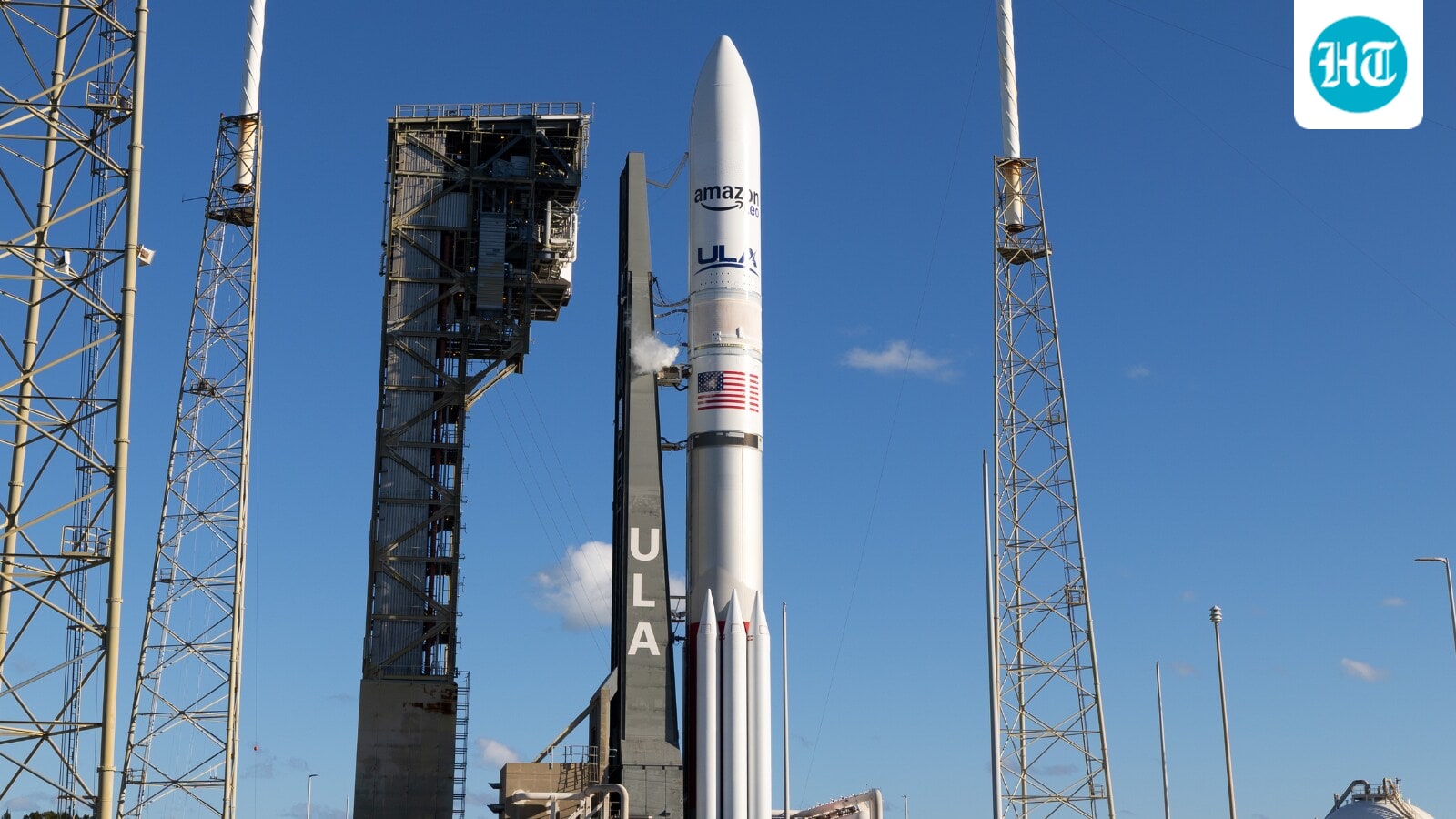
United Launch Alliance's Vulcan rocket experienced its first total mission failure, resulting in the loss of 40 Amazon Project Kuiper satellites. This incident marks a significant setback for Amazon's efforts to compete with SpaceX's Starlink and grounds the Vulcan vehicle indefinitely.
A Historic Setback for ULA
United Launch Alliance (ULA), a joint venture between aerospace giants Boeing and Lockheed Martin, has long been a pillar of the American space industry. For two decades, the company maintained a near-perfect track record, serving as a critical provider for national security space missions. However, the recent failure of the Vulcan rocket, which resulted in the loss of 40 Amazon Leo broadband satellites, marks the first total mission failure in the company's 20-year history. This event represents a sobering moment for an organization that has prided itself on providing assured access to space for the United States.
The Impact on Amazon's Global Internet Ambitions
The loss of these 40 satellites is a substantial blow to Amazon’s Project Kuiper, the company’s ambitious initiative to create a global satellite internet constellation. Amazon, which has struggled to accelerate its launch cadence compared to its primary competitor, SpaceX’s Starlink, viewed this mission as a crucial step forward. Having not conducted a launch since July, Amazon had purchased 38 flights from ULA to deploy its network. This failure not only represents a significant financial loss but also delays the company's ability to challenge Starlink’s dominant position in the low-Earth orbit (LEO) broadband market.
Technical Hurdles and Reliability Concerns
The Vulcan rocket has previously navigated technical challenges, including issues with its strap-on solid rocket boosters during two of its four prior flights. While those previous incidents were mitigated by the vehicle’s corrective systems, the recent anomaly occurring 10 minutes into the flight proved insurmountable. The fact that the rocket failed to reach its intended orbit highlights the inherent risks of space flight, even for mature launch providers. ULA has confirmed that the vehicle suffered an anomaly shortly after liftoff from Cape Canaveral, Florida, leading to the destruction of the entire payload.
Broader Implications for the US Space Sector
Beyond the immediate loss of hardware, the grounding of the Vulcan rocket will have far-reaching consequences for the broader US space industry. Vulcan is currently under contract to handle approximately half of the United States military's national security space missions in the coming years. An indefinite grounding of the fleet forces the Department of Defense and other government agencies to re-evaluate their launch manifests and timelines. The uncertainty surrounding when the rocket might return to flight creates a logistical bottleneck that could impact national security interests.
Future Trends and Industry Outlook
As the space industry continues to evolve, the race to build LEO constellations has intensified, placing immense pressure on launch providers to maintain high reliability and frequency. The failure serves as a stark reminder of the technical difficulty involved in orbital delivery. Moving forward, ULA must conduct a rigorous investigation to identify the root cause of the anomaly. The outcome of this investigation will be pivotal, not just for ULA's reputation, but for the viability of Amazon's competing internet network. The space industry will be watching closely to see how quickly ULA can rectify these issues and restore confidence in the Vulcan platform.
Multiple Citing Sources
Verification Required?