"People Are Suffering": UN Calls For Mahatma Gandhi's Principles Of Peace
Source Entity
NDTV News Search Records Found 1000
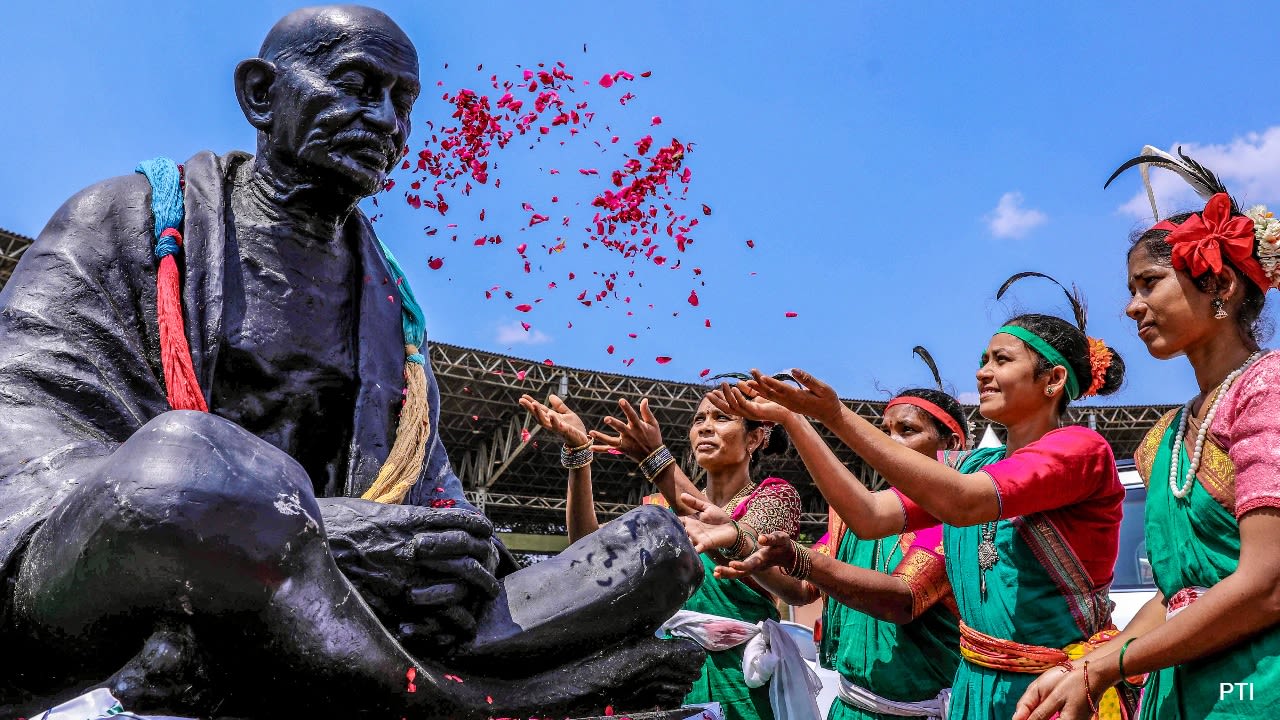
UN Secretary-General Antonio Guterres has invoked Mahatma Gandhi's principles of peace to address current global suffering. He highlighted Gandhi's legacy as a blueprint for achieving lasting, non-violent systemic change.
The Timeless Relevance of Gandhian Principles in Modern Diplomacy
In a recent address, United Nations Secretary-General Antonio Guterres drew direct inspiration from the life and philosophy of Mahatma Gandhi, asserting that his teachings offer a critical framework for navigating the complexities of the modern era. As the world grapples with multifaceted crises, Guterres emphasized that Gandhi’s commitment to non-violence and social justice serves as a beacon for leadership in an age of discord.
Gandhi as a Blueprint for Global Stability
The Secretary-General specifically noted that Mahatma Gandhi set a profound example of how to create lasting change through peaceful means. By prioritizing dialogue and truth, Gandhi demonstrated that systemic transformation does not require the machinery of war, but rather the strength of conviction and collective action. This philosophy remains a cornerstone of the United Nations' mission to foster international cooperation and prevent conflict.
Addressing Contemporary Human Suffering
Guterres’s remarks come at a time when he has explicitly stated that "people are suffering" across the globe. This acknowledgment reflects the UN's growing concern over the erosion of humanitarian norms and the increasing prevalence of geopolitical tension. By invoking Gandhi, Guterres is calling for a return to the principles of empathy, tolerance, and peaceful coexistence to alleviate the hardships currently faced by vulnerable populations worldwide.
The Historical Context of Non-Violence
Historically, Gandhi’s strategies—often referred to as Satyagraha or "truth-force"—challenged oppressive structures by mobilizing the masses through non-violent resistance. Guterres’s invocation of these methods suggests that the UN recognizes these historical lessons as essential tools for current diplomacy. The ability to inspire change without resorting to violence is a principle that the Secretary-General views as increasingly vital for contemporary statecraft.
Future Implications for Global Governance
Looking toward the future, the integration of Gandhian principles into the UN’s operational strategy signals a potential shift toward more grassroots-oriented peacebuilding efforts. As global challenges such as climate change and economic inequality exacerbate human suffering, the emphasis on Gandhi’s model implies that the UN may seek to prioritize community-level empowerment and moral leadership as primary pathways to achieving sustainable global development and lasting peace.
Conclusion: A Call for Renewed Moral Leadership
In summary, the UN's focus on Mahatma Gandhi is more than a symbolic gesture; it is a strategic call for a return to ethical governance. By aligning the organization’s goals with the principles of peace and non-violence, Guterres is urging world leaders to look past immediate political gains and toward the long-term benefit of humanity. The legacy of Gandhi serves as a reminder that even in times of profound suffering, the path toward lasting change is paved with patience, integrity, and peace.
Verification Required?